
Ukraine Reconstruction Campaigner
Email:Tel.:
Anna is Bankwatch’s Ukraine Reconstruction Campaigner, working on green reconstruction and environmental safeguards in Ukraine’s recovery. Her work focuses on alternative sources of energy for communities, energy resilience, and the alignment of Ukraine’s energy policy and public investment management system with EU standards. Originally from Kyiv, she holds an MSc in Environmental Sciences and Policy from Central European University and is based in Bratislava.
More from
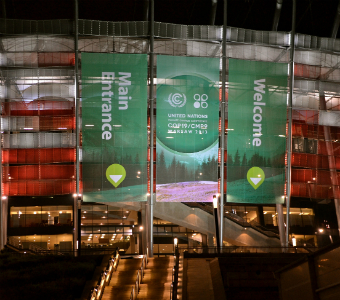
Bankwatch joins NGO boycott of COP19
November 21, 2013 | Read more
Today, Bankwatch joined other organisations walking out of Warsaw Climate Conference. Under the Polish government’s leadership the talks have utterly failed to address the urgency of the situation. Targets have been unambitious, the interests of the fossil fuel industry have been allowed to dominate the discussions, and there is no new financing on the table for climate mitigation and adaptation. This conference has lost credibility in the fight against climate change.

The complicated nature, hidden future debts and other characteristics of public-private partnerships have led the Czech Republic’s national security service to consider them a potential threat to public interests.
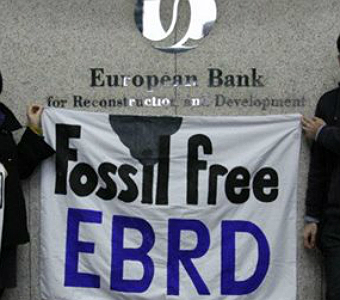
United Kingdom’s retreat from coal increases pressure on EBRD
November 21, 2013 | Read more
With the United Kingdom, another major shareholder of the European Bank for Reconstruction and Development is divesting from coal overseas. What does this mean for the upcoming decision on the EBRD’s energy strategy?
This study by Dr hab. Leszek Pazderski and commissioned by the Center for Environment, Banja Luka, describes the compliance of the environmental permit for the planned Stanari lignite power plant in Bosnia and Herzegovina (issued in May 2008 and then changed in September 2010) with currently valid directives of the European Union, regulating industrial emissions and their environmental impact.
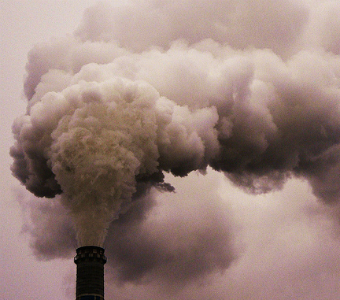
The pollution from EFT’s new 300 MW Stanari lignite-fired power plant in Bosnia and Herzegovina may be 2-10 times higher than EU limits allow, according to a new expert analysis commissioned by the Center for Environment from Banja Luka.

