
Ukraine Reconstruction Campaigner
Email:Tel.:
Anna is Bankwatch’s Ukraine Reconstruction Campaigner, working on green reconstruction and environmental safeguards in Ukraine’s recovery. Her work focuses on alternative sources of energy for communities, energy resilience, and the alignment of Ukraine’s energy policy and public investment management system with EU standards. Originally from Kyiv, she holds an MSc in Environmental Sciences and Policy from Central European University and is based in Bratislava.
More from

New facts are busting energy myths
July 18, 2013 | Read more
Adequate decision making on energy policies must be based on accurate information and cannot rely on outdated knowledge and misconceptions. A new series of fact sheets explores the myths and facts of Europe’s energy sector.
“Community energy projects” are energy projects providing for direct benefits to a group of local shareholders. The opportunity for residents to develop and own green energy infrastructure or to jointly leverage untapped energy saving potential, represents a range of economic and social opportunities such as job creation, business opportunities, lowering energy bills and acceptance of sustainable energy production.
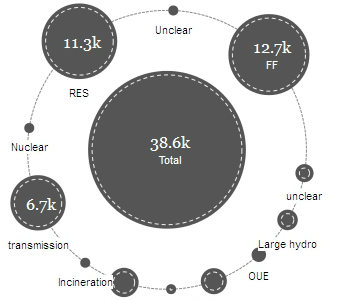
A thorough check of the European Investment Bank’s energy lending data shows that not all is as rosy as the EIB would like to see it. We’ve paired up with Open Spending to provide an introduction into how to interpret and scrutinise the numbers.
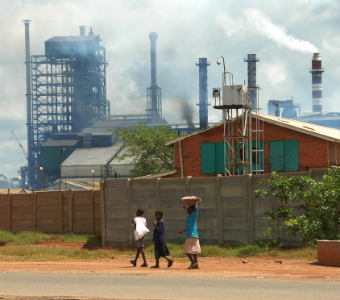
The current review of the European Investment Bank’s mandate for lending outside of the EU brings some of the pitfalls of the bank’s development lending to the fore and offers a chance for improvements.
Brussels, July 10, 2013 – The green potential of a third of Europe’s budget for 2014-2020 has been hollowed-out following a vote in the European Parliament today, according to Bankwatch and Friends of the Earth Europe. The committee for regional development (REGI) has approved proposals to reform EU Structural Funds – money intended to improve the economic well-being of regions – which include a last-minute shift from legally-binding to voluntary environmental spending.

