
Strategic Area Leader - Beyond Fossil Fuels
Email: ioana.ciuta AT bankwatch.orgTel.: +4031 438 2489
loana joined Bankwatch in 2014 as energy coordinator for the Western Balkans, preventing new coal capacities from being built in the region, but also campaigning for improved air quality. Since taking on the current role, she has been leading campaigns to accelerate the transition to clean, sustainable energy in Central and Eastern Europe, the Western Balkans, and lately, Central Asia. She also serves as president of Bankwatch Romania and joins efforts against unsustainable hydropower development, while fighting to keep the space for civil society. With a background in journalism and over two decades of environmental activism, she works to bridge grassroots action with policy change for a just, fossil-free future.
More from Ioana Ciută
The economic viability of coal is ever decreasing. Without public financial support many coal investments are doomed to fail. Yet several institutions are still willing to finance an energy source that wrecks our climate, damages our health and wastes
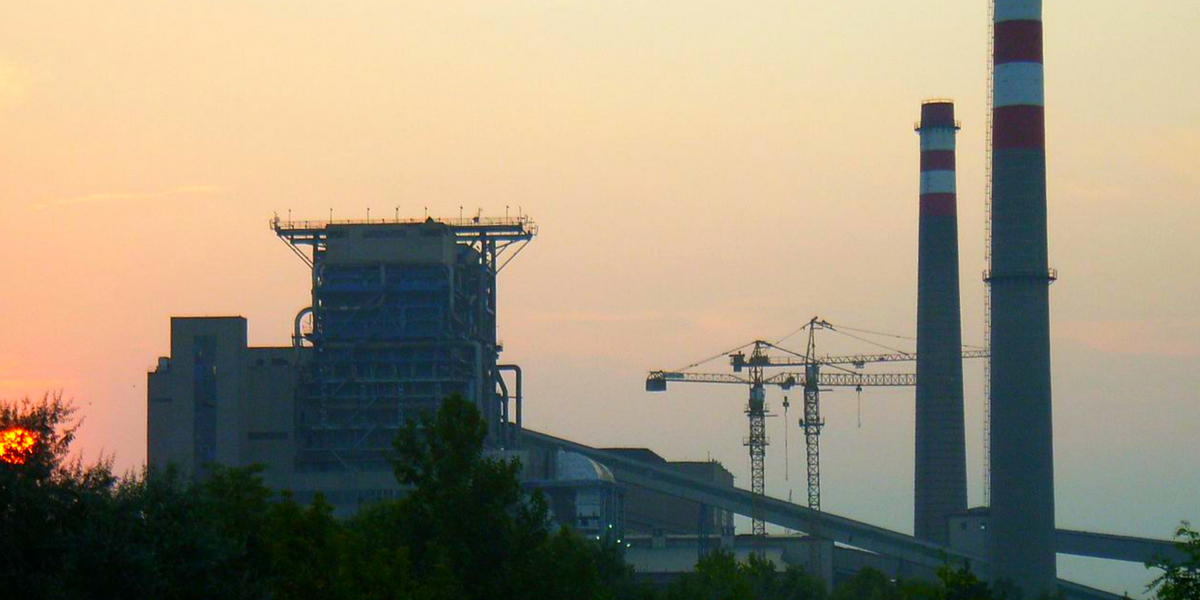
The loan that made sense until it didn’t
May 11, 2018 | Read more
During the annual meetings of the European Bank for Reconstruction and Development, the bank is the subject of a complaint for policy violations via a EUR 200 million loan to Serbia’s state-owned energy utility: money earmarked to prepare the fossil fuels-based company for the realities of adhering to stricter EU legislation will instead enable it to extract and burn even more fossil fuels.
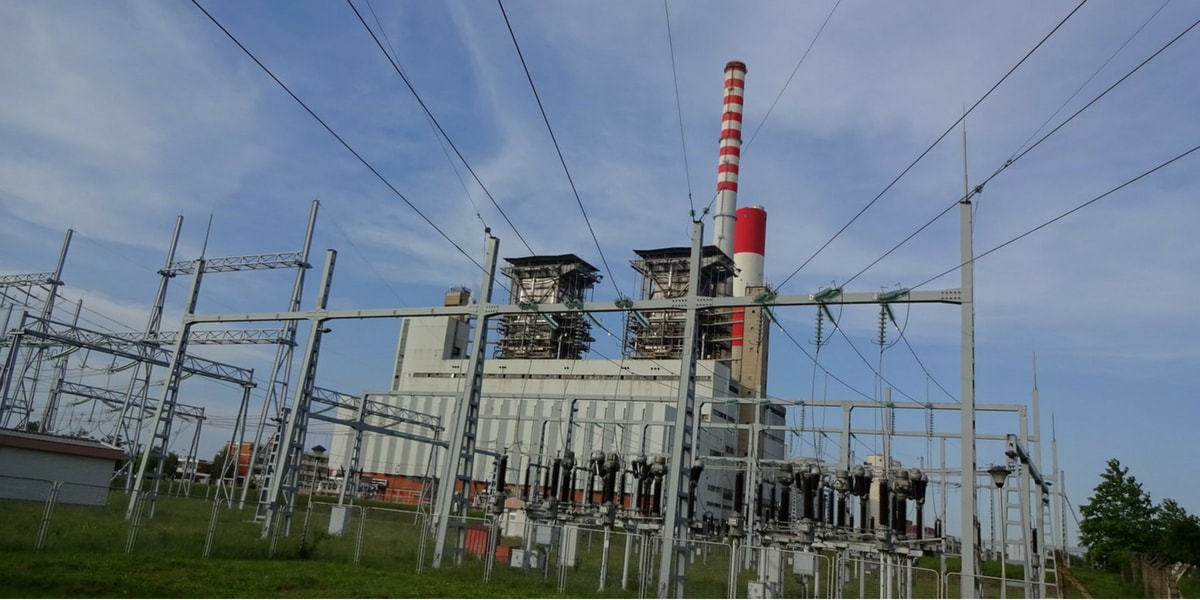
EPS restructuring loan
May 10, 2018 | Read more
Despite its commitments to increase the share of renewables under the Energy Community and reduce greenhouse gas emissions within the process of EU accession, the Serbian government seems determined to remain locked-in to a carbon intensive energy syst
In contrast to the global trend of decreasing coal from the energy mix, the Western Balkan countries are stubbornly planning a whole fleet of new lignite plants, most of which are plagued by breaches of environmental laws. The latest case in point is the planned 600MW Ugljevik III.
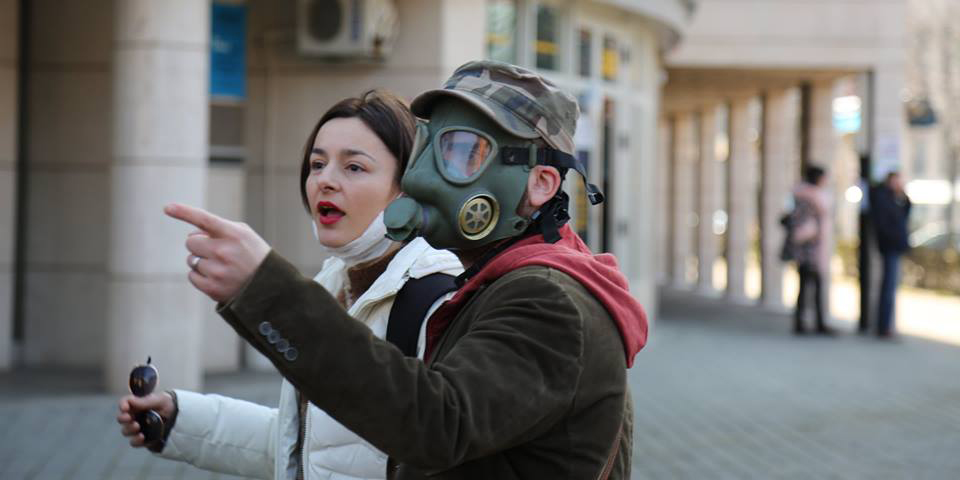
Protests spread in Western Balkans along with air pollution
February 19, 2018 | Read more
Community organisations across the region are fed up with worsening air quality and are taking their grievances to the streets

