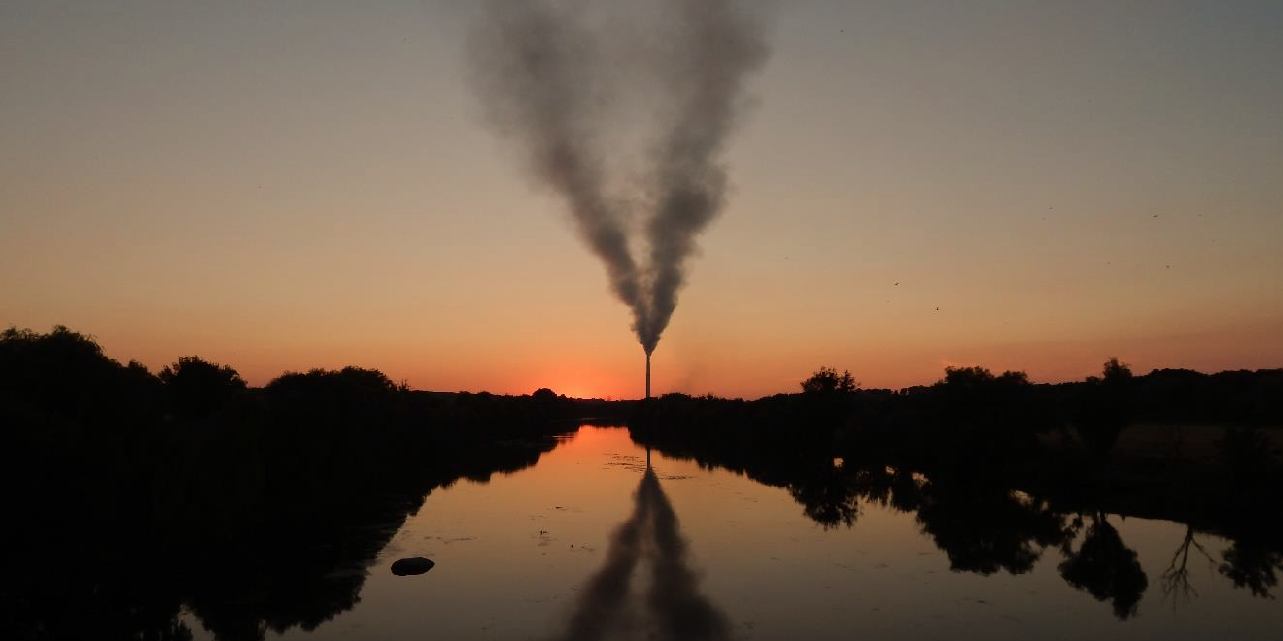
Ukraine’s air pollution problem is not receiving the attention it deserves, neither at the national nor at international levels. The authorities are dragging their feet on both monitoring air quality and emissions reductions measures, and the international community allows continuous delays and deadline extensions for Ukraine’s major polluters, which impact the air quality throughout Europe.
A Green Agenda for the Western Balkans: Where are the teeth?
October 8, 2020 | Read more
The European Commission on Tuesday published its 2020 enlargement package and an Economic and Investment Plan for the Western Balkans. This was followed on Wednesday by a Green Agenda for the Western Balkans, expected to be endorsed by the countries’ leaders at a summit in Sofia in November. We take a look at how the proposed Green Agenda compares to our recommendations.
Construction of Belgrade’s Vinča incinerator officially started last year, so why have Serbian authorities opened a new public consultation on an updated environmental study? Annulling all previous approvals immediately is the only way to give this process any integrity.
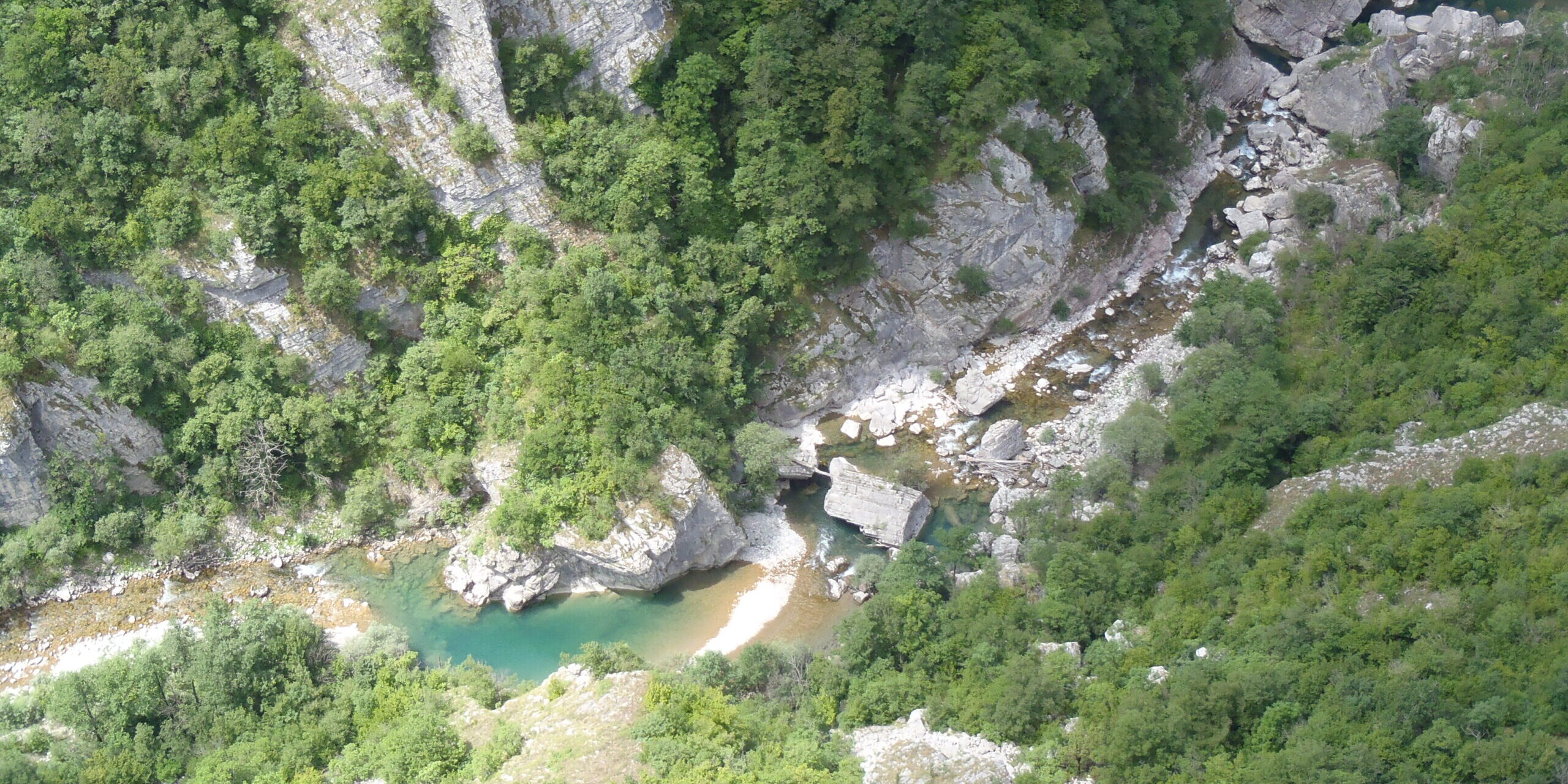
Raising renewable energy targets alone will not be enough to reduce GHG emissions in a sustainable manner. The Commission must also match this with tighter criteria for hydropower and biomass projects.
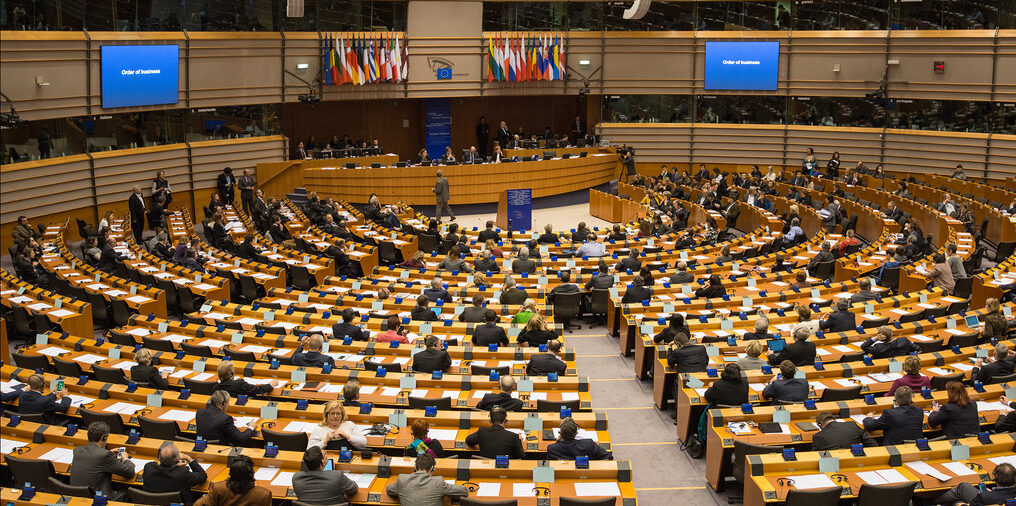
Hours after the European Commission announced plans to increase the GHG emissions reduction target to 55%, MEPs voted to keep fossil fuels in the Just Transition Fund.
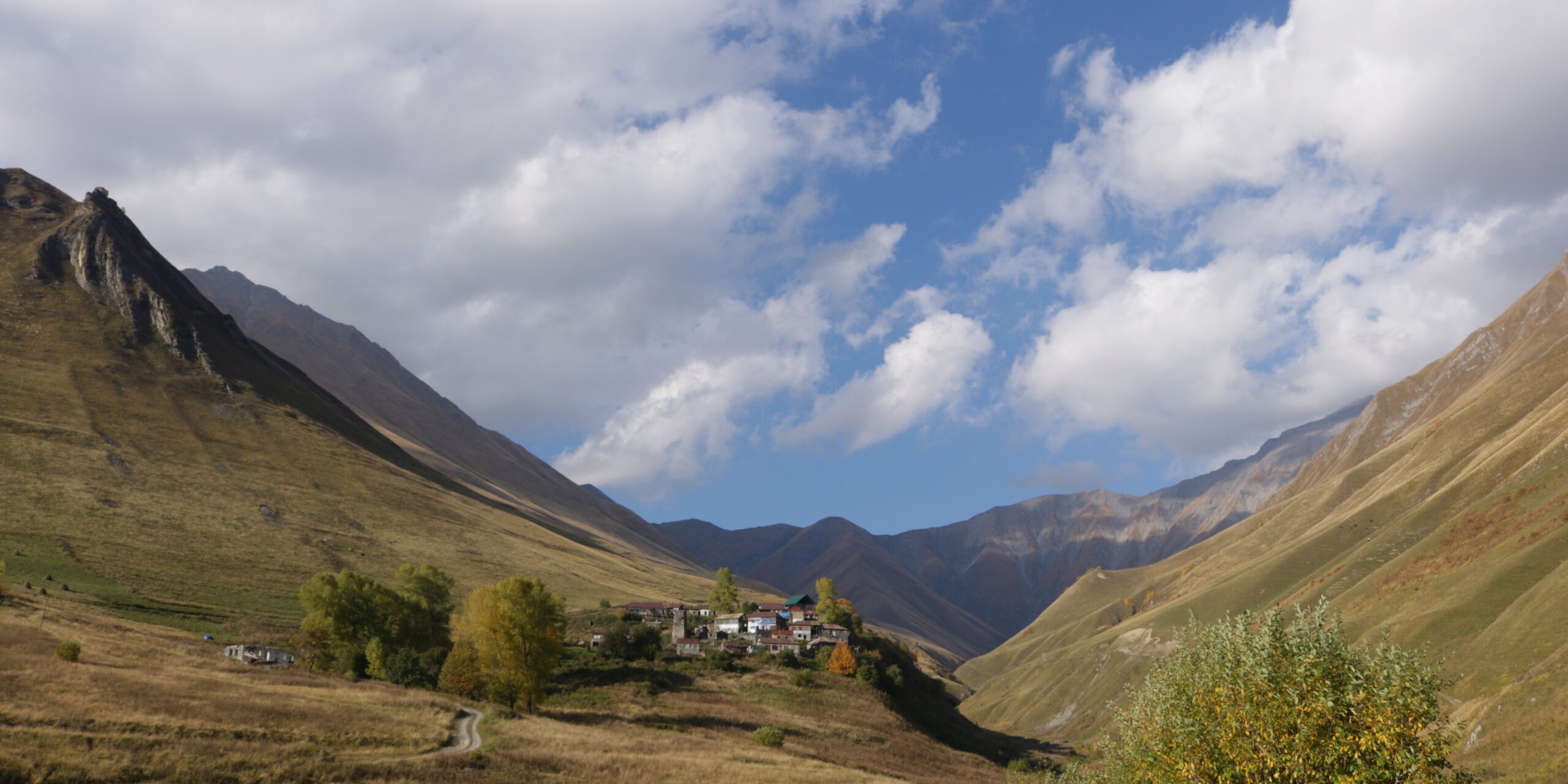
Georgia’s precious Khada Valley at risk due to a new road to Russia
September 18, 2020 | Read more
Scientists, civil activists and the local community unite and call on Europeans to join the petition to save the exceptional biodiversity and precious cultural heritage in Khada.

