
Today’s European Development Days forum in Brussels with its aspirational motto ‘building a world which leaves no one behind’ is an ironic backdrop to what is happening in the remote parts of Kenya, where a whole community is facing a threat of forced eviction by a project under appraisal of the EU’s own house bank. About a hundred people were demanded to abandon their homes by tomorrow – 20 June.
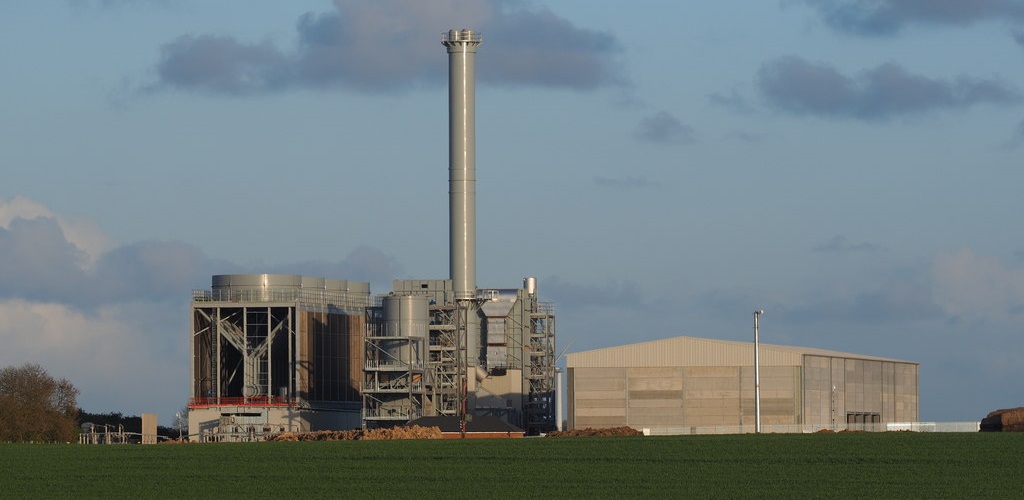
A false solution to a real problem?
June 14, 2019 | Read more
New research by Bankwatch shows energy and climate plans (NECPs) in 7 CEE countries over-rely on unsustainable biomass to reach their renewable energy objectives.
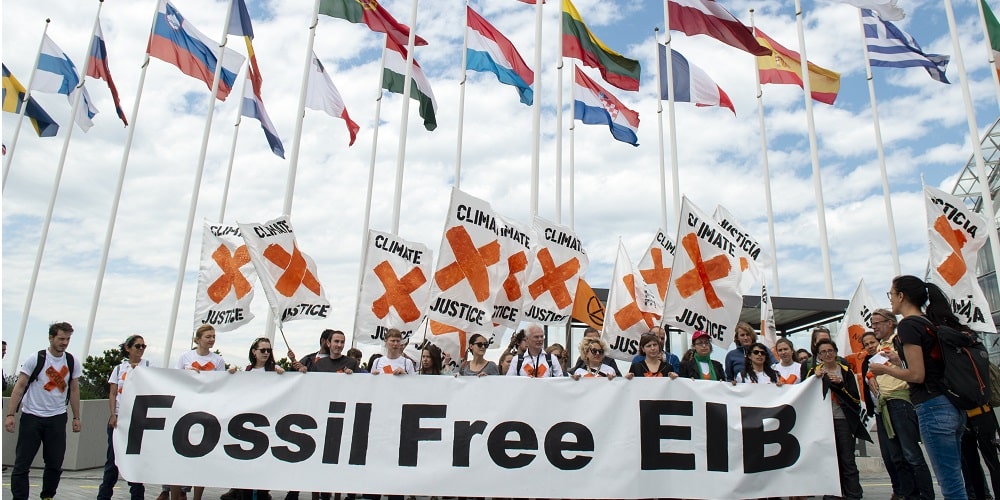
Ahead of the European Investment Bank’s annual governors’ meeting, several EU’s finance ministers put forward a joint non-paper “Climate for the future of Europe” with an idea to transform the EIB: make green financing its top priority and promote investments in energy and climate transition. The right initiative risks failing if not supported by the majority of the bank’s shareholders, in particular by the eastern states that wrongfully fear that EIB’s increasing ambition in climate finance will unfavorably impact the bank’s presence in their countries.
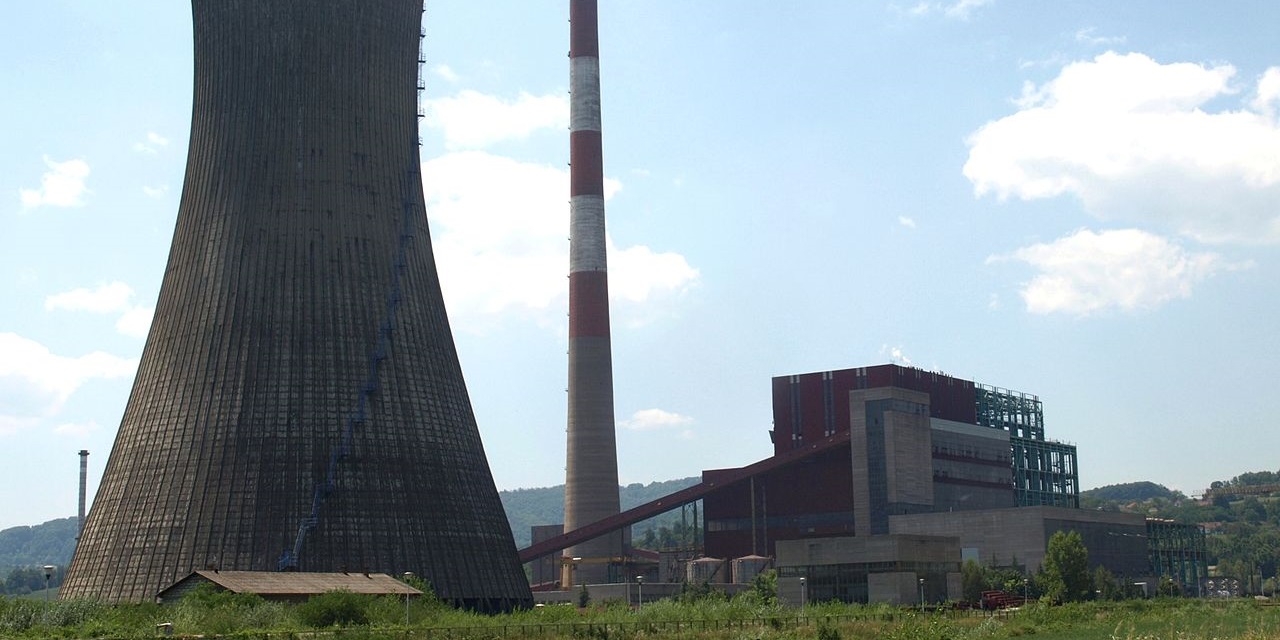
After years of speculation about the Ugljevik III coal power project in Bosnia-Herzegovina, this week’s news is that the government wants to buy off Comsar Energy’s concession. Yet if the company hasn’t fulfilled the conditions from the contract, why should it be rewarded?
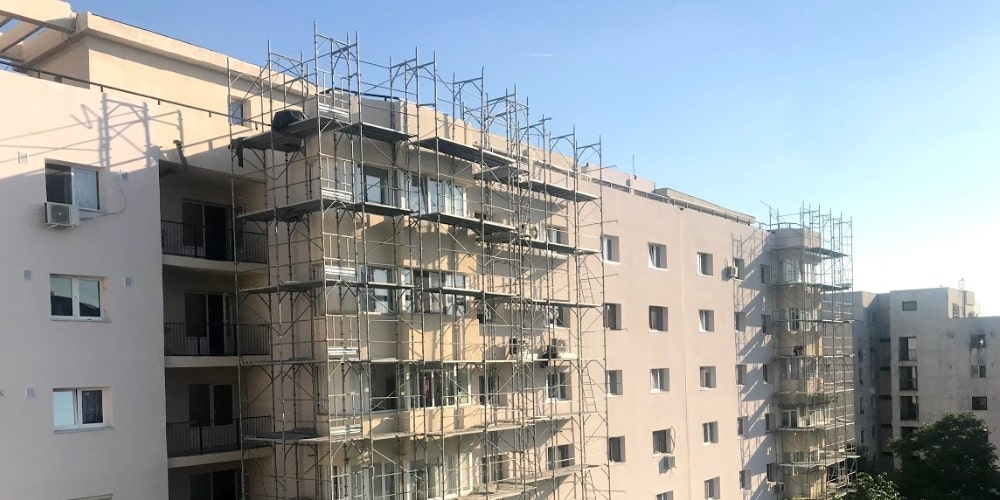
Taking the chill off Romania’s residential buildings
June 4, 2019 | Read more
Energy efficiency is taking centre stage in the Energy Union. Last summer, after long negotiations between the Parliament and the Council, a new energy efficiency target was set at 32.5 per cent by 2030. To meet the target, Romania is channelling public funds into renovating its residential sector which accounts for as much as 86 per cent of the country’s built environment.
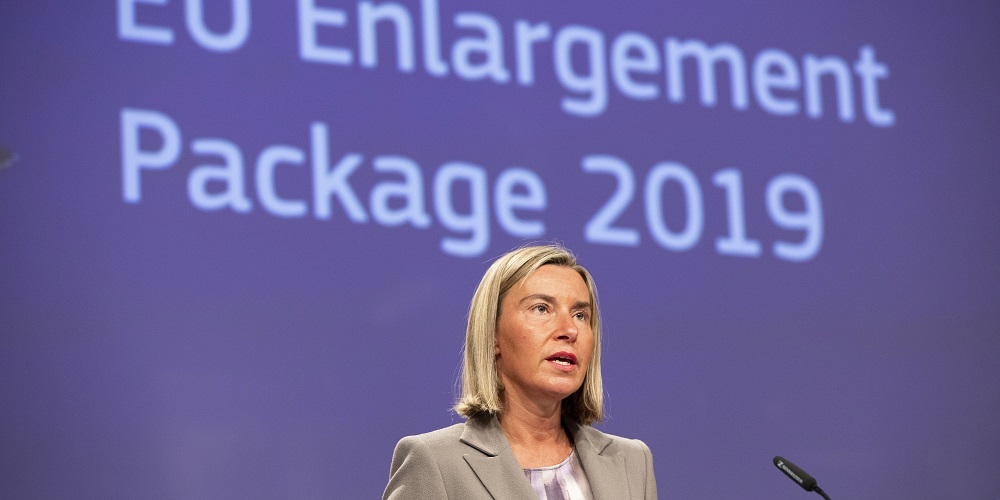
This year’s EU Enlargement Package reiterates a slew of unresolved problems from previous years in the Western Balkans, but gives increased prominence to China’s role in the region and the and the need to reign in uncontrolled hydropower development.

