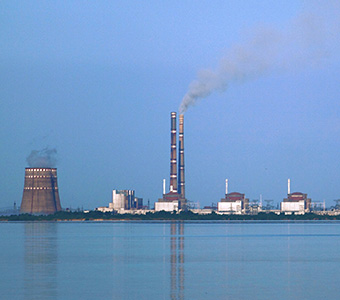
As pressure from civil society and governments is mounting, UN and EU bodies acknowledge Ukraine’s lack of accountability for plans to extend the lifetime of its nuclear fleet. The country could be found in breach of international law. Once again.
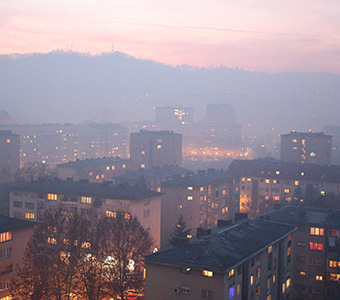
Air pollution in the town of Tuzla, Bosnia and Herzegovina was above legally allowed limits on twelve of 20 consecutive days as measurements made by Bankwatch and the Tuzla-based environmental group Center for Ecology and Energy show.

Too good to be true? Assessing one year of the Investment Plan for Europe
September 28, 2016 | Read more
Europe is hemorrhaging cash in deeply unsustainable projects like motorways, airports and gas infrastructure.
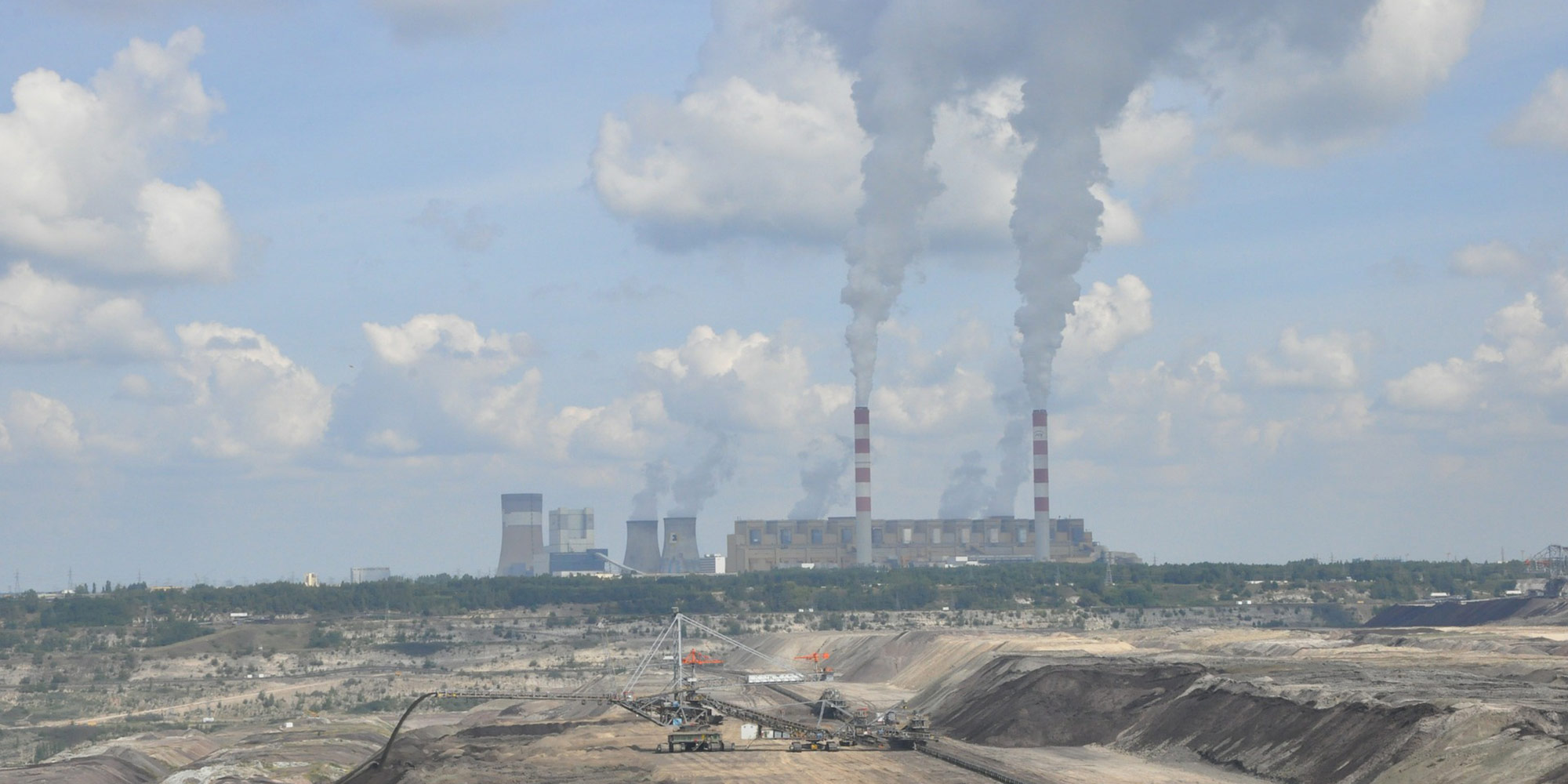
Guest post: China stokes global coal growth
September 27, 2016 | Read more
China cuts coal at home but state owned companies and banks drive new coal expansion overseas, despite top level promises of green growth for developing countries, writes Beth Walker from China Dialogue.
The Czech daily Hospodarske Noviny (English: “Economic Newspaper”) is reporting today that the Czech Export Bank (CEB) and export insurance agency EGAP may not be be able to finance the Pljevlja II lignite power plant in Montenegro due to new OECD rules entering force on 1 January 2017.
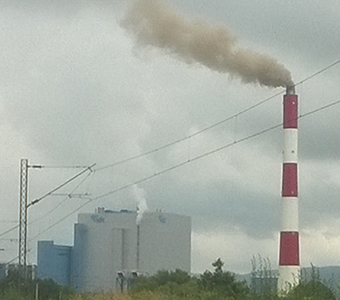
Guest post: The last coal plant in the Western Balkans?
September 20, 2016 | Read more
The Stanari lignite power plant in Bosnia officially starts operations today. If we are to have any hope of tackling climate change, it had better be the last one in the region.

