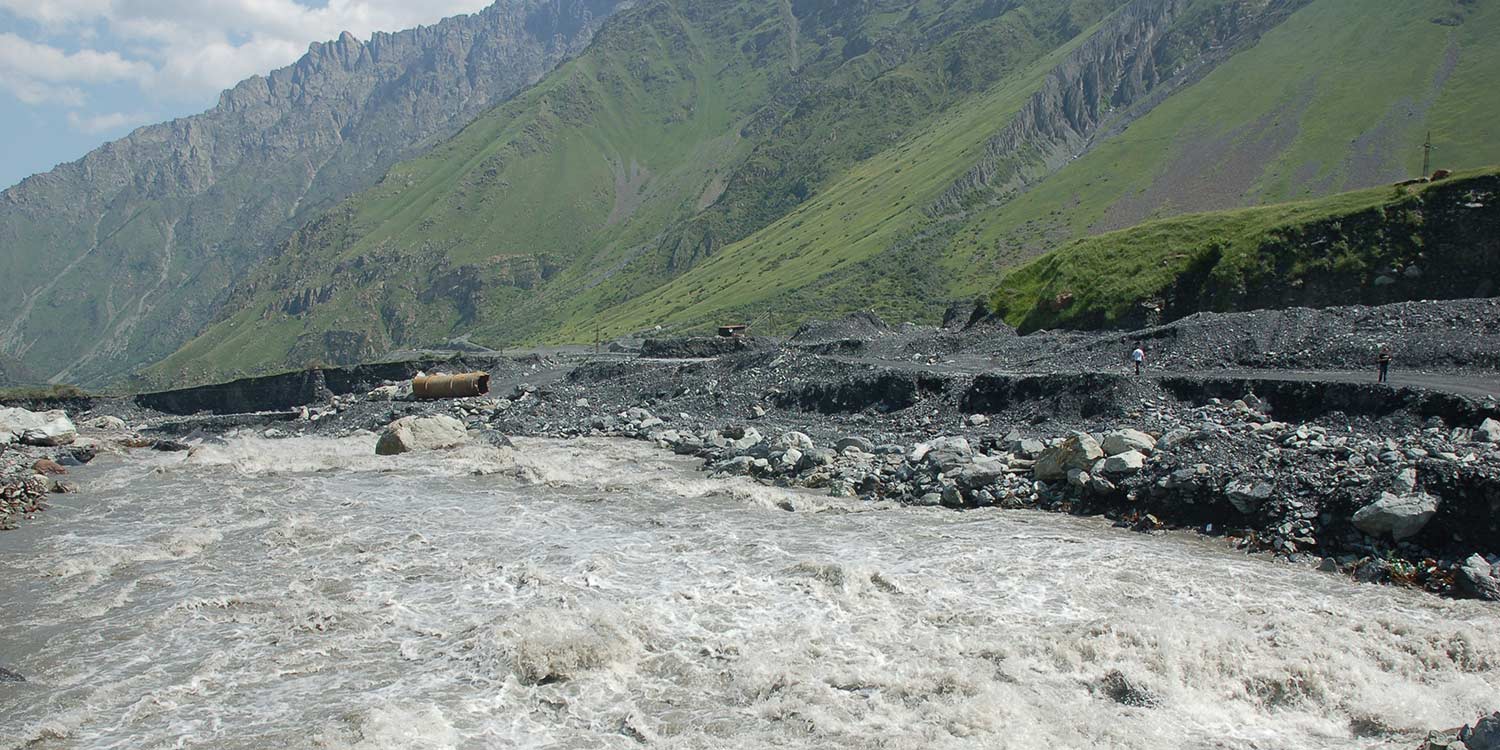
River defenders gather forces in Georgia
Blog entry | 28 March, 2017This week, activists from across the world are meeting in Tbilisi to share their experiences of resisting hydropower projects and the money that supports them.
Read more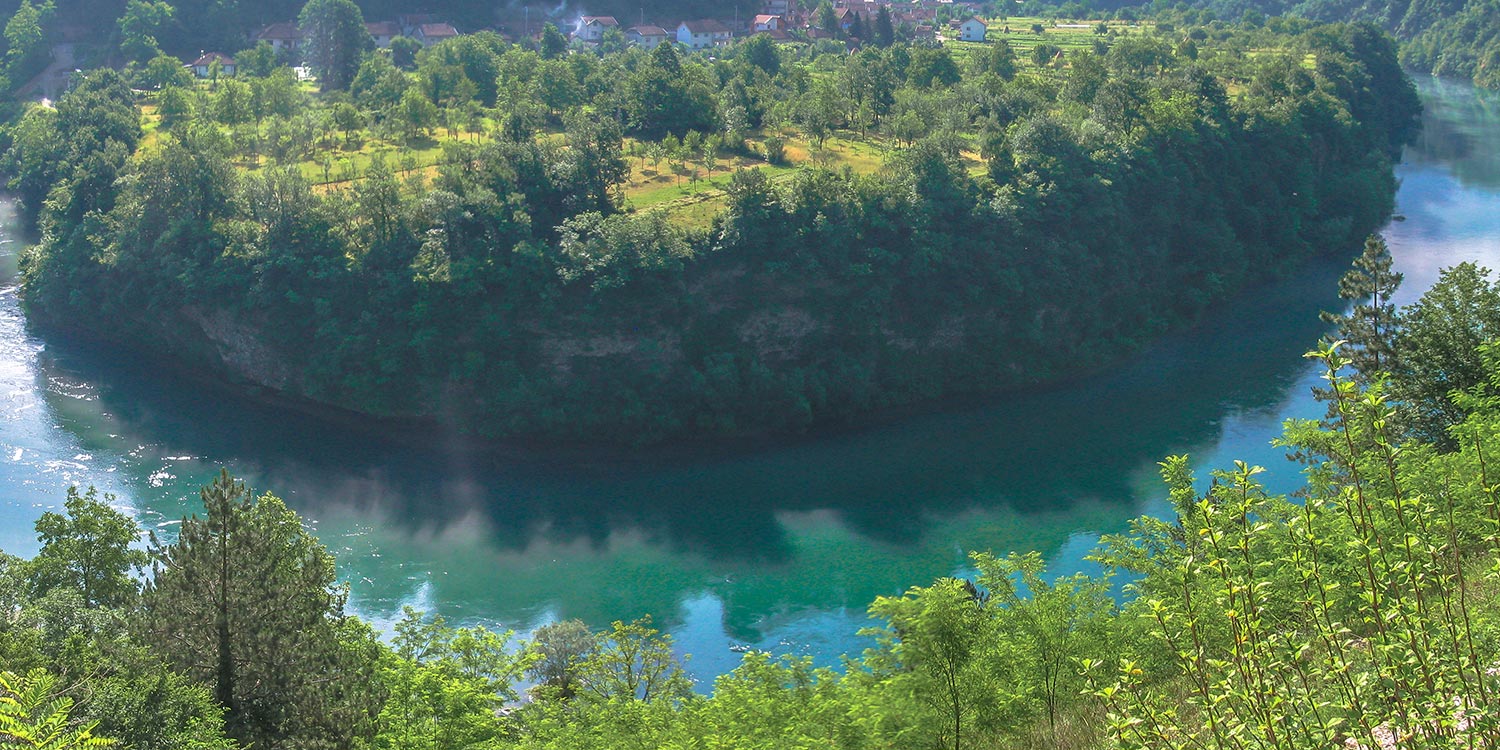
For our rivers, for our lives – activists from across the globe meet in Tbilisi, Georgia
Blog entry | 27 March, 201785 river and dam activists from 40 countries and all continents gather at a time when dams are back in fashion.
Read more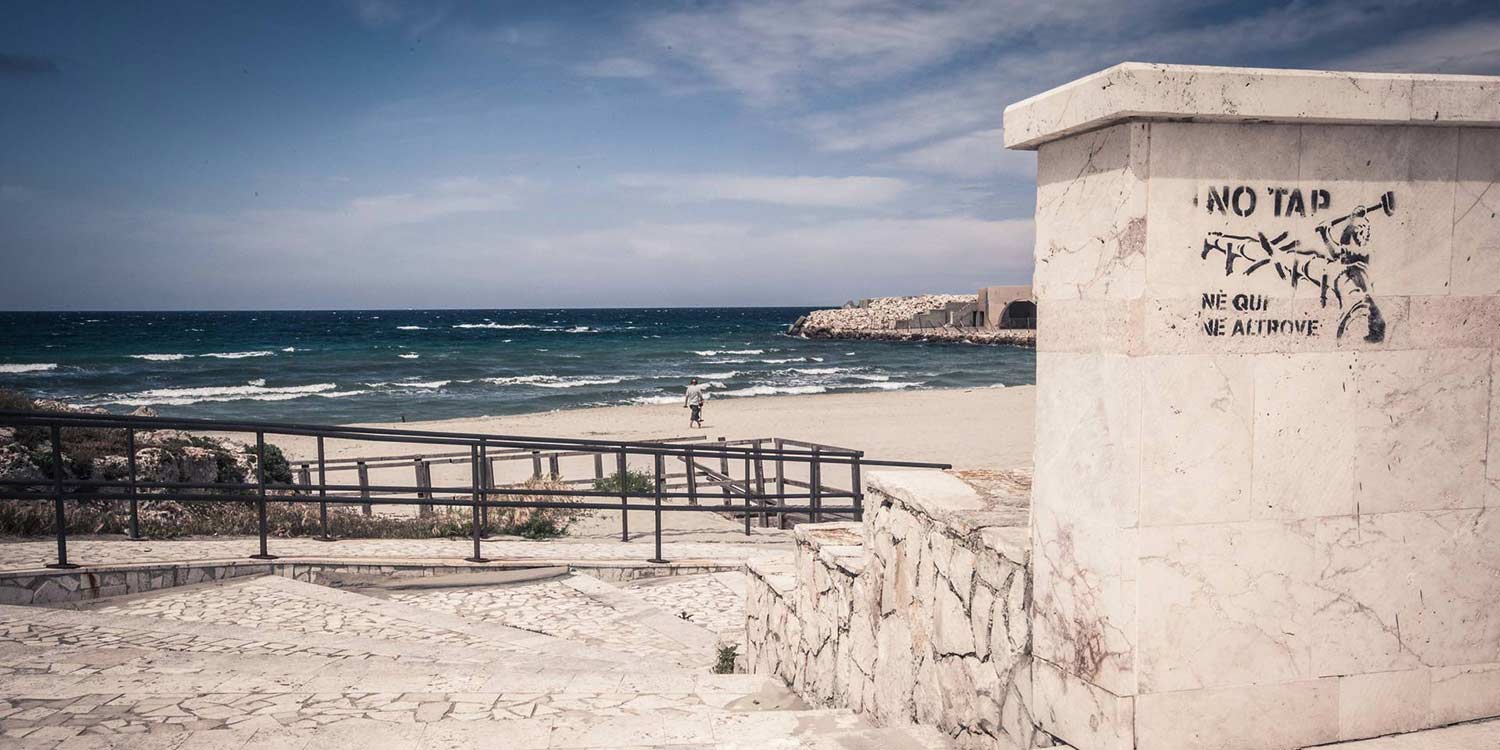
Italian communities block pipeline works to save ancient olive trees
Blog entry | 23 March, 2017An ancient olive grove in southern Italy is currently on the frontlines of grassroots resistance to the Southern Gas Corridor project, the EU’s flagship energy project.
Read more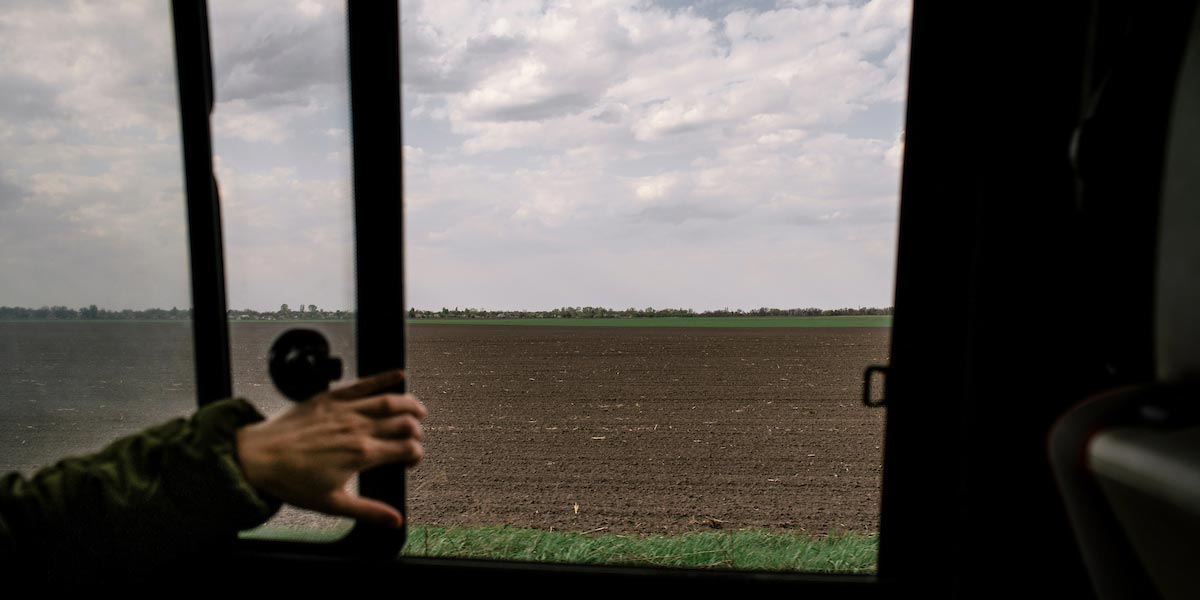
Hatching discontent in Ukraine
Blog entry | 16 March, 2017In Ukraine, big agriculture uses unscrupulous methods to manufacture consensus for expansion and marginalise local communities – often with the support of international donors.
Read moreAzerbaijan suspended from the EITI – a Bankwatch and Counter Balance statement
Press release | 10 March, 2017A decision to suspend Azerbaijan’s membership in the Extractive Industries Transparency Initiative (EITI) adopted yesterday (Mar 9) is the latest reminder for international financial institutes to avoid supporting the Southern Gas Corridor (SGC) project.
Read more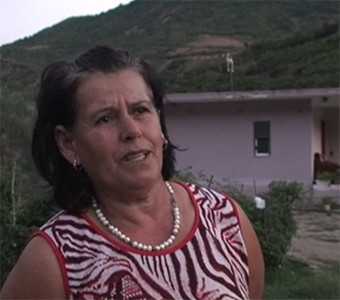
Tackling gender inequality at the EU’s flagship energy project
Blog entry | 7 March, 2017It is fitting that we use today to reflect on the European Investment Bank’s new Strategy on Gender Equality and Women’s Economic Empowerment: 8 March is International Women’s Day. Adopted at the beginning of this year, the strategy complements the ban
Read more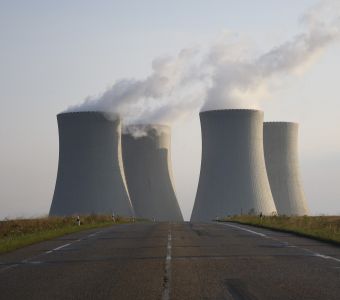
[Campaign update] Ukrainian nuclear power consultations could be Potemkin villages
Blog entry | 3 March, 2017On Sunday, March 5, nuclear reactor number 3 at the Zaporizhia power plant in Ukraine, Europe’s largest nuclear power station, will reach the end of its 30 year lifespan. Kiev wants to keep this Soviet-era nuclear unit going for at least ten more years
Read more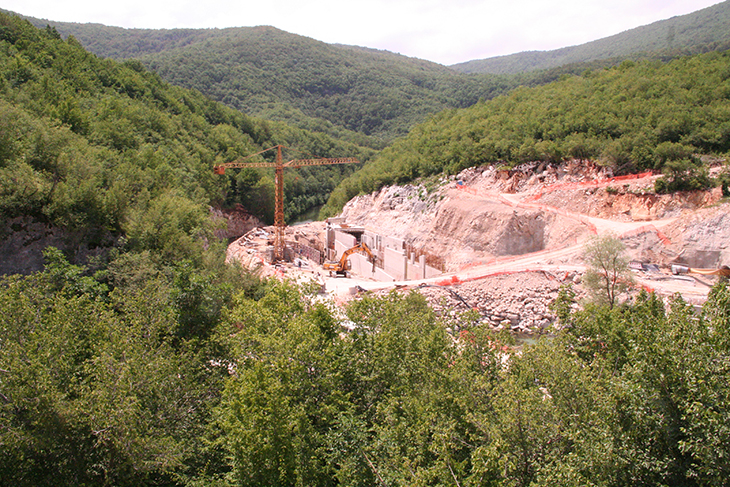
Small is (not always) beautiful: small hydro development in the Western Balkans
Blog entry | 28 February, 2017It has long been recognised that the human and environmental costs of large dams are extremely high. But what about small ones? Here we unpack some of the myths being spread about small hydropower in the Balkans.
Read more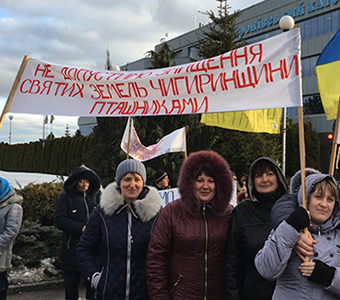
[Campaign update] Protestors take to Kyiv to demand action from agribusiness giant encroaching on their lands
Blog entry | 24 February, 2017On 22 February, more than 70 activists and residents from the Chyhyryn region south of Kyiv protested outside the headquarters of Myronivsky Hliboproduct (MHP), the Ukrainian agribusiness conglomerate owned by one of the country’s richest billionaires.
Read more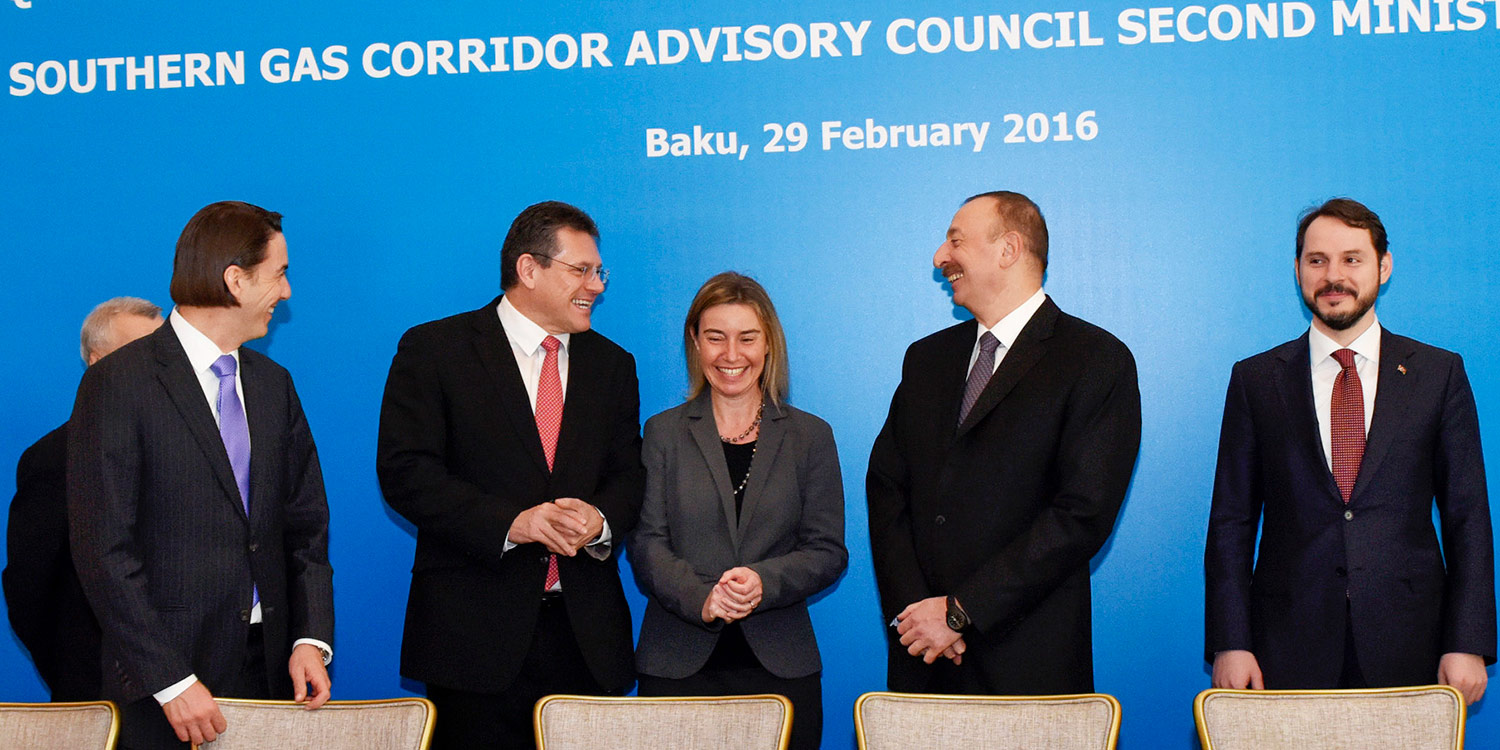
Question marks abound over EU-Azerbaijan gas tango
Blog entry | 23 February, 2017Ministers, ambassadors and envoys from at least 15 countries, including Maroš Šefčovič, the European Commission’s Vice President for the Energy Union, are gathered today in the Azerbaijani capital to discuss the progress on the Southern Gas Corridor, t
Read more
