
Spot the difference: Alstom in Indonesia and Slovenia
Blog entry | 31 July, 2012The company hired to build a new unit at the Sostanj lignite power plant is involved in strikingly similar corruption cases across continents.
Read more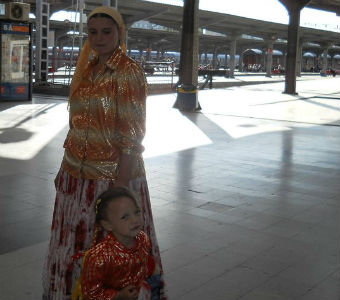
Don’t let facts get in the way of a good EBRD Roma headline
Blog entry | 26 July, 2012The EBRD’s claims it has helped turn Serbia into a “role model for social inclusion of Roma” ring hollow in light of the plethora of abuses of Romas’ rights in other cases in Serbia.
Read moreState guarantee vote for TES 6 overshadowed by OLAF corruption investigation
Press release | 20 July, 2012A state guarantee law supporting the construction of a 600 MW lignite plant at Sostanj in Slovenia (TES 6) was passed this week despite allegations of corruption against the management of the company remaining unsettled. Even more, the European Anti-Fraud Office (OLAF) recently opened an official investigation into TES 6. (1)
Read more
Bringing EU standards to third countries?
Blog entry | 13 July, 2012When the European Investment Bank and the European Bank for Reconstruction and Development invest money in our countries, they are often expected to promote good practices in the projects they support.
Read moreGreens call for active efforts by European Commission to ensure an improved EBRD mining strategy
Publication | 12 July, 2012The letter by the Green members of the European Parliament calls for active efforts of the EU representative at the European Bank for Reconstructoin and Development to ensure that the bank’s new mining strategy endorses EU principles and standards for resource efficiency, biodiversity protection, poverty eradication, inclusive growth, transparency and public participation in the mining projects the EBRD supports.
Read moreMEPs call for responsible new EBRD mining strategy
Press release | 12 July, 2012Brussels – The new mining strategy of the EBRD risks contradicting the EU Resource Efficiency Roadmap and responsible mining principles, argue 22 MEPs in an open letter to European Commissioners which asks the EC to take a more active role in improving the EBRD mining strategy currently under review. (1)
Read moreComplaint to EBRD on Rivne – Kyiv High Voltage Line Project seeking project compliance review
Publication | 10 July, 2012Read more
Complaint to EBRD on Kolubara lignite mine project
Publication | 10 July, 2012The communities in Vreoci request the EBRD to suspend the loan for the Kolubara lignite mine because of the project company’s failure to meet performance requirements regarding: – community health, safety and security – information disclosure and stakeholder engagement – land acquisition and resettlement – environmental and social appraisal management – pollution prevention and abatement
Read moreComments on EBRD Methodology for Assessment of Greenhouse Gas Emissions
Publication | 6 July, 2012Bankwatch’s provided comments on the EBRD’s GHG emissions accounting methodology (pdf) in an effort to improve the carbon footprint of EBRD’s investments. We primarily focus on how baselines are set and the treatment of scope 2 and scope 3 emissions.
Read more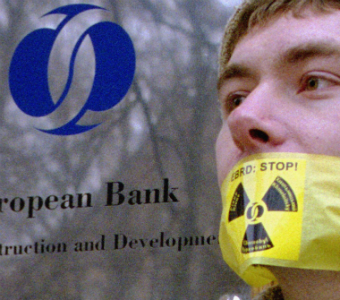
World to EBRD: Don’t finance the next Chernobyl
Blog entry | 4 July, 2012With an EBRD loan decision for Ukraine’s nuclear reactors getting closer, people across Europe are now asking in a petition on Avaaz.org’s community site not to finance Ukraine’s risky nuclear lifetime extensions.
Read more
