• Skip to primary navigation
  • Skip to main content
  • Skip to footer

Bankwatch

  • About us
    • Our vision
    • Who we are
    • 30 years of Bankwatch
    • Donors & finances
    • Get involved
  • What we do
    • Campaign areas
      • Beyond fossil fuels
      • Rights, democracy and development
      • Finance and biodiversity
      • Funding the energy transformation
      • Cities for People
    • Institutions we monitor
      • European Bank for Reconstruction and Development
      • European Investment Bank
      • Asian Infrastructure Investment Bank
      • Asian Development Bank (ADB)
      • EU funds
    • Our projects
    • Success stories
  • Publications
  • News
    • Blog posts
    • Press releases
    • Stories
    • Podcast
    • Us in the media
    • Videos
  • Donate

Home > Archives for Blog entry

Blog entry

Nuclear safety in Europe: decision-making behind closed doors?

This article first appeared at openDemocracy on July 3, 2017.

After Fukushima, you might think that nuclear power is a thing of the past. Or that our focus on climate is the only issue of public concern when it comes to the energy sector.  Yet the recent Meeting of the Parties to the Espoo Convention, which deals with environmental impact assessments across borders, was hi-jacked by ongoing disputes over reactor construction and lifetime extension. In Minsk, 200 participants representing the 45 states who are members to this UN Convention held heated discussions over problematic cases, such as Hinkley Point C (UK), Ostravets (Belarus) and a number of old Ukrainian reactors going through their lifetime extensions.

This dispute has arisen largely because the rules on who has a say when decisions regarding nuclear operations are made are unclear. Which countries and their citizens should be notified and involved in decision-making on a new nuclear installation such as Hinkley Point C? And how about extending the lifetime of old reactors, like the Yuzhnoukrainsk power plant in south Ukraine? These are questions to be addressed in the framework of the Espoo Convention.

But are we really solving the dilemma of whether nuclear operations can have a significant transboundary impact, which should, according to the Espoo Convention, trigger communication across borders with potentially affected parties? Or are we witnessing a political game, fueled by self-centered interests of nuclear positive countries and the nuclear business, which is trying to remodel itself by “climate-neutral marketing” of its product?

The recent Meeting of the Parties to the Espoo Convention was an unfortunate display of the influence that politics and the nuclear lobby have over decisions with severe impacts on health and environment. One of the most important tasks of the Meeting of the Convention parties, which convenes every three years, is to endorse draft decisions on non-compliance. These are prepared carefully and over the course of few years by the Convention’s Implementation Committee. Such decisions, despite being tailored to each specific case of challenged non-compliance, should have general implications across similar cases, reflecting the principal of an equal treatment. Endorsed decisions should bring needed clarity — in this case clarity concerning rules for nuclear decision-making.

Unfortunately, the Minsk meeting has torn the draft decisions apart with last minute revisions, which were agreed behind the closed doors of “coordination meetings” and “ad hoc working groups”. Civil society members, whom this (and some other) UN environmental convention assigns a special role, were closed out from all key deliberations. At some point, shortly before midnight on the penultimate day of the Meeting, most participants lost track of a number of parallel meetings and groups.

At the end of this political show there were too many revisions proposed to be seriously considered. All decisions were postponed for an extraordinary meeting to take place in the course of the next year — just when the clarity on how to proceed with all the nuclear decision-making concerning old and new nuclear installations is much needed. Confusion continues, which lowers efficiency of the Convention on nuclear issues. The main purpose of the Convention — to be an instrument for a more inclusive decision-making leading to a better protection of environment — was abandoned.

To end on a hopeful note, there are three almost positive developments resulting from the Meeting. First, the mere acknowledgement that there is a lack of clear rules for nuclear decision-making. In Minsk, this became obvious and the issue finally “came out of the closet”. Second, delegations as well as other participants seemed to have agreed in principle that when a state is making a decision on a nuclear project, they should send notification to potentially affected countries, and that the fact that a severe accident can cause widespread impacts has to be taken into account.

Thirdly, on the topic of extended operations of old nuclear units past their officially designed lifetime, the Meeting created a working group to clarify the need for transboundary environmental assessments. This particular issue generated significant interest among different mostly EU countries. By expressing their interest to be members of this working-group, states have acknowledged the relevance of this issue. This is hardly surprising: Europe is heading into a decade when 93 nuclear reactors will be (or not) up for their lifetime extension. And one does not need to be a nuclear scientist to understand increased risks associated with any aging technology, let alone nuclear.

Nuclear safety is a matter of high concern and relevance to all of us. We have a right to be asking questions related to nuclear operation, to receive good quality answers and demand highest possible safety measures. This is all possible in the frame of the Espoo Convention on the environmental impact assessment in transboundary context. What we need now is to make it work. The international working group created in Minsk should make it crystal clear that lifetime extensions of nuclear reactors require broad engagement and public participation across borders. Resistance of some governments and the European Commission to this logical solution to nuclear decision-making is dangerously illogical. If “everything is ok and safe” as we are being assured, then why is wider public participation on decisions with immense potential impact generating so much opposition?

European citizens don’t want to be left out of decision-making. It is important to renew our trust in political governance to feel that our interests are duly accounted for and represented — on nuclear issues, democracy from behind the closed doors can have fatal consequences.

Nuclear accountability curbed by EU politics and industry interests

This article first appeared on EUObserver on Monday, 3 July 2017.

A meeting of the parties to the UN convention on environmental impact assessment in a transboundary context (Espoo) took place last week in Minsk, Belarus.

Among other things, it helped to showcase the influence that politics and the nuclear industry lobby have over decisions that have potentially severe impacts on European citizens’ health and the environment.

The meeting – gathering over 200 people, including government delegates, civil society, EU officials and business – ended in an unprecedented way, without the endorsement of any decision, despite worrying evidence of the non-compliance of several governments’ nuclear energy plans.

With many more decisions coming up in Europe on either the construction of plants, or the prolongation of old nuclear units, the lack of a decision following the Espoo meeting leaves no legal precedent for countries to follow.

It also provides the public with even more unclarity on the participation procedures that ought to be followed.

Every three years, the delegates of 45 countries – parties to one of the most important environmental treaties, the Espoo convention – meet to deliberate and endorse the findings of the convention’s implementation committee. The body checks whether there has been compliance with its provisions.

The convention regulates the procedures that a country needs to follow when planning projects that have possible transboundary environmental impacts.

Yet, the obligations deriving from the convention – namely the need to conduct consultations with neighbouring governments and their people – have been a source of tension and discontent, especially surrounding energy projects.

This year’s meeting of parties to the Espoo convention, during the first half of June in Minsk, had several sensitive findings on the agenda, especially related to controversial nuclear energy plans all across Europe.

Three cases

It included Hinkley Point C in the UK, the Astravetz nuclear power plant project in Belarus, as well as cases of lifetime extension of ageing nuclear power stations in Ukraine.

For the past year, all three cases have been at the centre of demands, from neighbouring governments and civil society, for accountability and participation in decision-making.

These demands have been rooted in the very poor public participation processes, which have left little space for governments and citizens to engage in decisions that will shape the future of nuclear energy in Europe.

The findings on these cases include clear statements about the present situation.

For instance, the UK failed to notify all parties potentially affected by the Hinkley Point C power plant in a timely manner.

Ukraine failed to involve its neighbours in consultations regarding the lifetime extension of its reactors, and Belarus was non-compliant by failing to notify its neighbours before selecting the location of its future nuclear power plant, just 45 kilometres from Vilnius in Lithuania.

Endorsing such findings would create strong precedents for the parties, something that the EU seems to be avoiding.

The manner in which the deliberations unfolded during the Espoo meeting of parties sent a clear signal to all delegates that the EU, under pressure from its nuclear member states, does not intend to endorse the critical findings of non-compliance in the cases mentioned above.

In fact, during much of the talks, the EU held coordination meetings behind closed doors, with no opportunity for observations from third parties, which have afterwards objected to this behaviour.

Politics of Espoo

The politicisation of the Espoo process already began in 2014.

In that year, the implementation committee at the time found Ukraine to be non-compliant. The country had made the decision to keep running its two oldest reactors, in the Rivne power plant, beyond their expiry date – without considering the implications for its neighbours.

The meeting of parties then refused to endorse the findings, which clearly stated that nuclear lifetime extensions are subject to the application of the convention, and tweaked the text confining the convention’s jurisdiction on nuclear lifetime extensions only to the Rivne case.

This opened the door to massive inconsistencies in the way the convention is applied.

Once again, government delegates’ failure to endorse the findings on non-compliance would allow states to selectively interpret the convention’s provisions, thus removing an important protection against dangerous decisions on nuclear power.

As of now, 93 ageing nuclear units across Europe are lined up for lifetime extension over the next ten years.

The EU needs to overcome narrow political interests and business pressure, which comes especially from nuclear countries, and do their job correctly.

They need to use the convention’s provision to set clear rules on compliance, and not only in the field of nuclear energy. Only in this way can the EU prove to its citizens that it is open to protecting them, the environment, and supports democracy across borders.

Guest post: A win for citizen activism after UNESCO asks Macedonia to stop all construction projects on Lake Ohrid

This article by Elena Nikolovska originally appeared on Global Voices on June 27, 2017.

The latest UNESCO mission to the Ohrid region in Macedonia discovered a Natural and Cultural Heritage site threatened by increased traffic and tourism pressure, inappropriate infrastructure projects and uncoordinated urban developments. It immediately released a report requesting the Macedonian government to halt construction projects in the area.

Existing for over 3 million years, Lake Ohrid in Macedonia is the oldest lake in the European continent holding valuable information on evolution aside from being the home of unique and rare species. In 2016, this lake was put in danger when the Macedonian government started plans to urbanize the lake shore and Galichica mountain and turn both biodiversity hotspots into mega resorts.

Citizen activists, civil society organizations, and scientists warned about the possible catastrophic impact of these projects on Lake Ohrid and demanded a moratorium on all construction activities in the Ohrid region.

In March this year, the UNESCO mission to the Ohrid region validated the concerns of citizens and experts about the projects around the lake. It asked the government to halt the projects to protect Lake Ohrid and instead develop alternative ecotourism programs in the area:

The mission strongly recommended to completely abandon the Galičica ski centre project, keep the internal national park zoning as is, and consider developing ecotourism options that would not negatively impact the property. Therefore, it is recommended that the Committee request the State Party to halt the construction projects of the Galičica ski resort, as well as the sub-sections (a) and (e) of the A3 road. – says latest decision by UNESCO World Heritage Committee

The Ohrid SOS group has been on the frontlines fighting to save Lake Ohrid from the very beginning. It published the UNESCO decision urging the Macedonian government and European Bank for Reconstruction and Development (EBRD) to stop the further destruction of Lake Ohrid.

.@UNESCO #recommends "to completely abandon the #Galičica ski centre project, keep the internal national park zoning as it is". #UNESCOSays pic.twitter.com/YmrehT5SQJ

— OhridSOS (@OhridSOS) June 9, 2017

Meanwhile, the Center for Environmental Research and Information Eko-svest from Skopje worked on alternatives to the planned infrastructure project that will not destroy precious nature. A feasibility study for a sustainable transport solution is scheduled to be presented in the Ohrid municipality this year.

Ние сакаме да го одбележиме #ДенотНаЕзерото со нашата визија за велосипедска патека која ќе кружи околу Охридското Езеро. Преубаво! pic.twitter.com/0eY7hvkCKO

— Eko-svest (@Eko_svest) June 21, 2017

We want to mark #TheDayOfTheLake by sharing our vision for a bike trail that would encircle the Ohrid Lake. Beautiful!

Instead of a new highway that would cut through the national park forests and block access to the water, the group is proposing a combination of transport alternatives that would not interfere with the ecosystem.

The Smart Ohrid transport solution with routes for cycling, solar boats and solar buses arround the lake. By Stefan Bouzharovski

To commemorate 21 June, Lake Ohrid day, the newly elected Macedonian government opened its doors to civil society and held an event in parliament where the president of the Assembly addressed the guests.

I am especially glad that today in the Assembly of the Republic of Macedonia there is an event related to the initiative of the civil sector for the protection of the Ohrid region as the only region in the Republic of Macedonia protected by UNESCO. – said The President of the Assembly, Mr. Talat Xhaferi

The parliament speaker stressed the readiness of the government to discuss and support citizen initiatives for the protection of the environment. An informal group of Members of Parliament from different parties was also formed named “Friends of UNESCO.”

#Macedonia CSOs present parliament speaker, minister with citizen request to preserve #Ohrid lake and region. Parliament opens to citizens. pic.twitter.com/QFqYZgCQ3r

— Hristijan Gjorgievski (@HGjorgievski) June 21, 2017

This has been a long and difficult fight but civil society groups continue to hope that the initial victory will be sustained to preserve and protect the biodiversity of Lake Ohrid.

[Campaign update] EU urged to act on Western Balkans smog after alarming pollution levels were found

Local communities of Western Balkan countries pay a heavy health toll from air pollution caused by coal-generated electricity, household heating and traffic. The most recent EEA air quality report, using 2013 data, estimated that PM 2.5 pollution alone kills 18,310 people in Bosnia-Herzegovina, Montenegro, Serbia and Macedonia every year.

Nonetheless, pollution monitoring is either absent or unreliable in many countries in the Western Balkans which is why Bankwatch carried out independent measurements in four selected Western Balkan communities and two in Romania and Bulgaria. 

A greyish sky with a smoke stack partly visible. The text reads: 'Peak pollution. Six months of independent monitoring of air quality in the Balkans'
Read the multimedia briefing at http://stories.bankwatch.org/peak-pollution

The results of more than half a year of monitoring and video testimonies of locals are now available in the multimedia briefing ‘Peak pollution’.

The communities where monitoring was carried all have in common the fact that they are hosts to old lignite power plants, operating without minimal pollution controls, and also open-cast coal mines and coal ash disposal sites. Without a doubt, all these contribute to the high dust concentration levels found. Nevertheless, official monitoring is patchy at best, while results from Bankwatch’s monitoring have indicated worryingly high levels of both PM 10 and PM 2.5 (dust particles that enter into our lungs and blood stream) in places where the responsible authorities, such as the local environmental inspectorate or agency, do not even carry out any regular air quality monitoring.


The findings were presented today at an event at the European Parliament, co-hosted by Bankwatch and Bas Eickhout, MEP of the Greens/EFA. The event also explored possible policy avenues to tackle the problem on a regional level, and to align Western Balkan countries’ air quality standards to those of the EU.

The European Commission recognises that the situation is alarming. Francois Wakenhut, head of Clean Air Unit of the Environment Directorate General said during the conference:

Concentrations of PM10 in Western Balkans are in the upper range of concentrations observed in the EU. Dust pollution holds a special challenge due to extensive use of brown coal and biomass for heating or energy, so reducing the use of coal and replacing it with cleaner fuels would be the first step towards cleaner air.

Local residents from the Balkan countries who attended the conference highlighted how bad the situation is. Goran Stojak, citizens’ representative in the local council of Tuzla said:

Here, everybody knows the situation is bad, but the readings of the air quality measurements in Tuzla astonished even us. The results show a clear pattern that dust levels skyrocket as soon as it gets dark, after 19:00 local time, which make me think that the pollution filters at the Tuzla power plant, the main source of air pollution, might not function properly or are even turned off during night time.

All local communities monitored have suffered immensely from poor air quality, and in spite of getting more vocal, no political decision to tackle the problem is in sight. Worryingly, in some of these places, governments are even planning on expanding coal mines or the power plants’ capacities, which would make the situation even worse. They should instead think of making it up to these people who have been neglected too long at the expense of a dirty industry’s thrive.

Find out more

Peak pollution – Eight months of independent monitoring of air quality in the Balkans

Multimedia briefing | June 26, 2017

Western Balkans holds breath for better air quality

This article first appeared on Euractiv.com.

Europe has long been grappling with air pollution but after twenty years of joint efforts EU citizens can gradually breathe more easily.

In the Western Balkans, however, the situation is far worse. Every year, thousands of people in countries bordering the EU get sick or die prematurely due to air pollution, but even reliable data on air pollutants is hard to come by.

The authorities’ approach to the problem has been so poor that some communities who neighbour power plants and mines are now asking to be relocated.

Over the past eight months Bankwatch has been monitoring dust pollution in communities across the region, and the incredibly terrible levels we have recorded clarify that this is nothing short of a crisis.

The EU, which is regularly working with Western Balkan governments to upgrade their energy and environmental policies, has an important role to play.

People in Macedonia, Montenegro and Bosnia-Herzegovina have already taken to the streets to protest the polluted air they are made to breathe. They pay with their health for unchecked air pollution from traffic, household heating and electricity generation.

In fact, the most recent EEA air quality report, using 2013 data, estimated that PM 2.5 pollution alone kills 18,310 people in Bosnia-Herzegovina, Montenegro, Serbia and Macedonia every year.

So, everybody knows the situation is bad. But the findings from our air quality measurements in communities in four countries in the Western Balkans, and in Bulgaria and Romania have astonished even us.

What all these communities have in common is that they are home to ageing coal power plants and open-cast lignite mines, which play an important role in aggravating air quality. Worryingly enough, governments are nowadays promoting plans to build even more coal units in most of these towns.

In the first ever independent air quality monitoring in these places, we wanted to assess the levels of particulate matter (PM) pollution. Our results indicated disturbingly high levels of both PM 10 and PM 2.5.

In Tuzla, Bosnia and Herzegovina, we found high peaks during night time. Air pollution levels skyrocketing as soon as it gets dark, after 19:00 local time, suggest that the pollution filters at the Tuzla power plant, the main source of air pollution, might not function properly or are even turned off during night time.

PM 10 hourly concentrations at night were on many occasions above 100 micrograms/cubic metre including some values above 300, while the day time concentrations were on average in line with the EU and WHO recommended limit of 50 µg/m³ per 24 hours.

Meanwhile, in Serbia, the law stipulates that the PM 10 limit may be breached in no more than on 35 days over the course of one year, just like in the EU’s Air Quality Directive limits. But over just 30 days of our measurements in the village of Drmno, the legal limit for the daily average for PM 10 was breached on 16 days.

The same limit for PM 10 daily average was breached on 21 of the 35 days observed in Pljevlja, Montenegro, while the EU limit for PM 2.5 was exceeded on 29 of the 35 days observed, or 83% of the time.

In Bitola, Macedonia, pollution levels were so high that after only a few days the machine’s filters and measurement chamber were contaminated and it had to be sent for clean-up and re-calibration.

Across the board, people from the local communities we have visited while performing the air quality measurements all said the situation is so desperate the only way for them to protect their health is to relocate their communities.

But where would they all move? And who can guarantee that the air would be better in the next location in the absence of air quality regulations in all contributing sectors – energy, mining, industry, transport and household heating?

Accurate, regular and publicly available air quality data is a crucial condition for tackling the problem. It is questionable why the responsible authorities, such as the local environmental inspections or agencies, do not prioritise such locations when placing the official monitoring stations.

Both types of PM should be attentively monitored, but much greater stress should be put on PM 2.5 which is the more harmful of the two, as PM 2.5 particles are lighter and go deeper into the lungs, causing greater long-term damage.  They also stay in the air longer, for days or weeks, and travel farther – up to a few hundred kilometres.

In the EU, it seems, not a season goes by without hearing of an infringement procedure on the topic of air pollution. In April, the European Court of Justice ruled against Bulgaria for failing to stay within the allowed PM 10 limits and for failing to take action to keep the exceedance period as short as possible.

Just last week, Romania received a letter of formal notice for failing to ensure proper monitoring of air quality throughout the country.

But the paradox of air pollution is that while its sources are easy to identify and locate – such as open-cast lignite mines or ash disposal sites – exposure to pollution, and particularly to fine dust particles, is not a location-specific problem.

Pollutants travel for hundreds of kilometres and affect neighbouring communities and countries as well. As a result, pollution from coal power plants in the Western Balkans affects, not only its adjacent communities, but also those in neighbouring EU countries.

Although European air quality is projected to improve in the future, further efforts to reduce emissions of air pollutants are urgently needed in the EU’s immediate neighbours in the Western Balkans.

All countries in the region have air pollution legislation, albeit with much variation and often much more lenient than EU standards. But the issue of air pollution requires a regional response. The Energy Community, the body tasked with adjusting energy policies in Europe’s south east to those in the EU, is also where a coordinated action to tackle air pollution can be devised.

What this region needs is a long term vision that prioritises carbon-free energy generation sectors across the region, putting energy efficiency first, cleaner or alternative fuels for all modes of transportation, and strict enforcement of air quality standards.

And it is where the Energy Community Treaty can play a pivotal role in setting the tone for a level playing field and bringing forth joint efforts to tackle the problem through timely and strict monitoring of implementation and enforcement of air quality legislation.

Women and hydropower: exacerbating vulnerability without resettlement

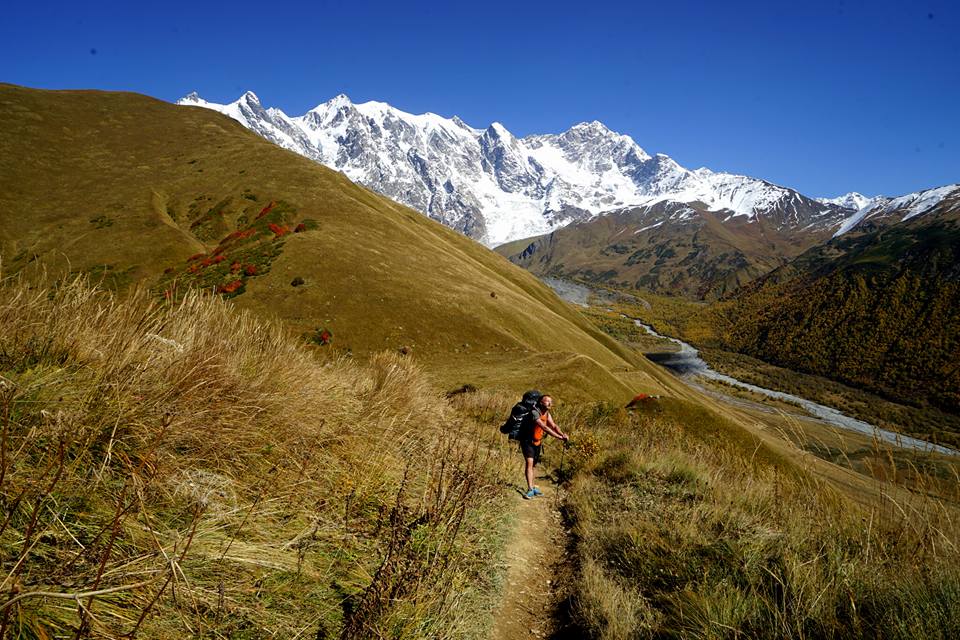
One of the development phraseologies du jour is ‘sustainable and inclusive growth’, often used to mask the impacts of a pending piece of large infrastructure on socially-vulnerably groups. In the case of the Nenskra hydropower plant in Georgia’s Svaneti region, it has become a favourite trope for the public banks considering the project – the European Investment Bank, the European Bank for Reconstruction and Development, the Asian Infrastructure Investment Bank, the Korean Development Bank and SACE, the Italian export credit agency – to downplay the serious threats Nenskra poses, particularly on women.

The project will affect two small gorges in the villages of Chuberi and Nakra, which are home to roughly 1200 people. The environmental and social impact assessment concludes that only 80 households will be directly impacted by the dam – with no specific and disproportionate impacts regarding gender – and it boasts that all members of these communities will enjoy social programmes provided by the project sponsor.

The project sponsor, Korean K Water, has said that it would source employment for all of the unskilled and half of the skilled workers from the villages in and around Svaneti, in order to minimize an influx of employment migrants, like the expected 1100 workers needed for construction, most assuredly to be male.  As the World Commission on Dams warned, “large dam projects typically build on the imbalance in existing gender relations. For affected communities dams have widened gender disparities either by imposing a disproportionate share of social costs on women or through an inequitable allocation of the benefits generated”. Some of these wider impacts may include domestic violence and sexually transmitted diseases, and problems during land compensation when planning is poor and gender-blind. This is because gender and power imbalances lead to the further marginalization of women in traditional land ownership societies.

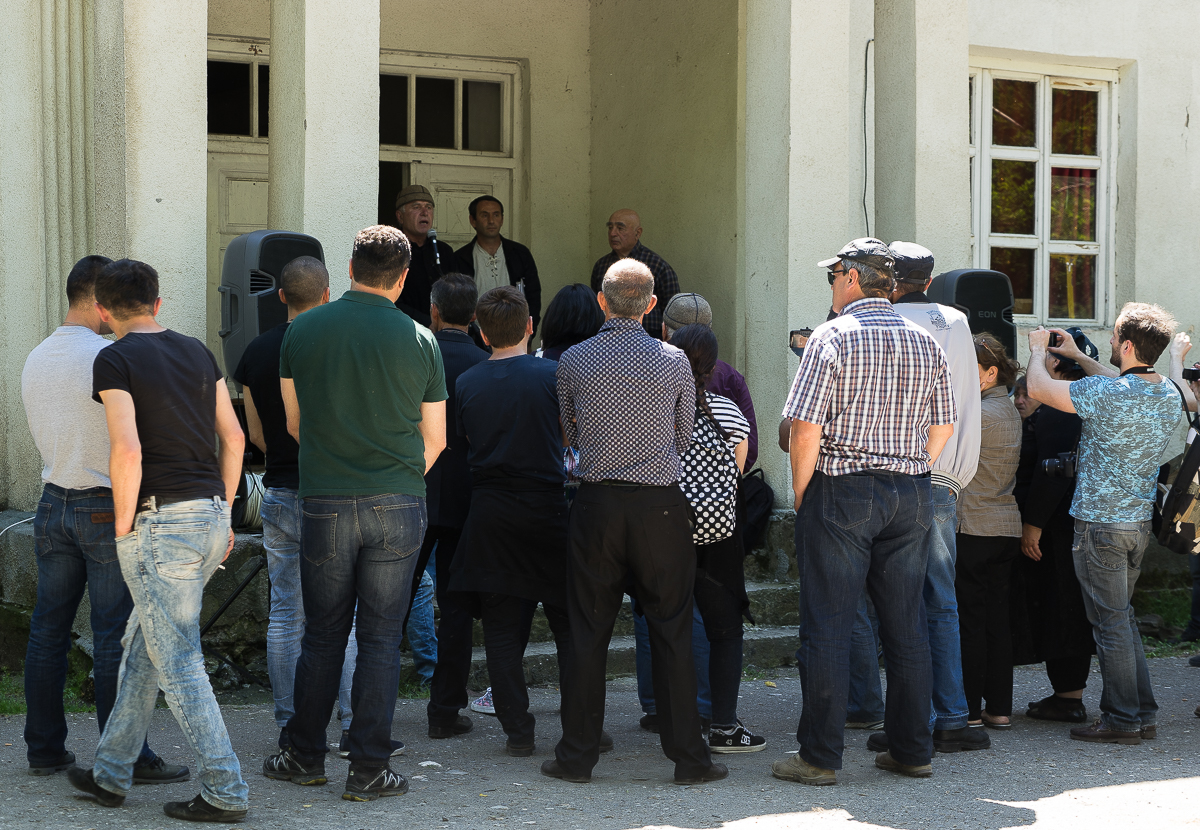
Women from Chuberi and Nakra shared their experiences with this sort of mistreatment. Said one woman doctor in Chuberi about consultation processes over the Nenskra project, “They don’t take into account anybody’s comments and proposals, and they could not answer concrete questions about the risks we face.” Another woman working as a teacher in Chuberi echoed these sentiments. “When I find out that there is a meeting planned, I always go there and often see bizarre situations. Often I film the meetings and meeting organizers and police try to stop me, claiming that filming a public meeting is illegal.” Women here also fear that in the future they may be forced to resettle, which would worsen the quality of life because of the risks posed to health and the potential for geological accidents. [1]

Their fears have precedent, as other hydropower projects in Georgia financed by the development banks have shown. In the Adjara mountains of the southwest, the Shuakhevi project jointly financed by the ADB and the EBRD was said to have no impacts on gender.

Yet the Adjara mountains are inhabited by primarily Muslim communities, whose religious beliefs and social and cultural specificities mean that project consultations affect genders differently. For example, during public hearings with three villages affected by the project, only men were present at the meetings (pdf), and not a single woman had been interviewed even separately. The project sponsor, Norwegian Clean Water, decided not to confront a local man who claimed that “woman cannot express their opinions freely”.

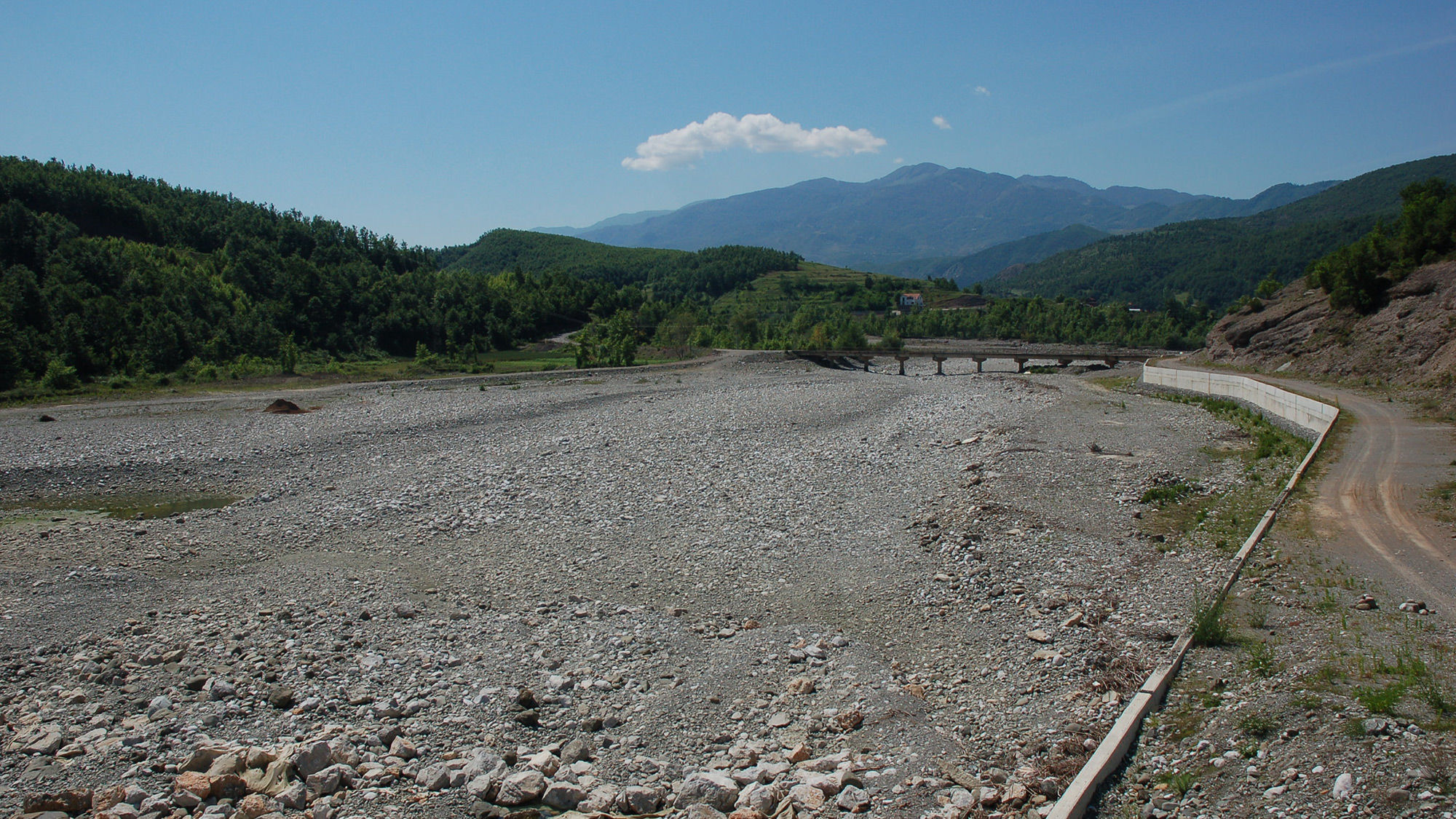
Increased traffic and blasting from the construction have also impacted the lives of women in more than ten communities in the region. They now must accompany children to and from school, and women are travelling further to retrieve water for household use, sometimes two to three kilometres more, as river and springs nearby have dried up. In addition, women whose spouses or relatives find jobs on construction now have a greater workload, since they then need to maintain the agricultural activities previously cared for by men.

The fights of women against the hydropower need more support from civil society groups working on gender issues. Issues like positive discrimination and quotas in parliament can be strengthened and support local battles for public participation in decision-making and increased involvement of women in politics.

Notes

1. According to the 2016 ESIA “Its impact on climate will be essential in spring, when the whole ice cover will start melting-breaking and in the late autumn, before the ice events will start. The significant difference between water and air temperature in these periods and strong wind will activate evaporation. Evaporated moisture in form of snow-ice will lie on buildings, fruit trees and will damage them. The damage caused by early freezes is heavier, because the freezes cause the death of buds and sprouts, due to which the useful plants start premature aging, infertility and death. The population living in the vicinity of the reservoir will get a heavy living conditions, who are sick with rheumatism or/and respiratory and require vascular system treatment.”

« Previous Page
Next Page »

Footer

CEE Bankwatch Network gratefully acknowledges EU funding support.

The content of this website is the sole responsibility of CEE Bankwatch Network and can under no circumstances be regarded as reflecting the position of the European Union.

Unless otherwise noted, the content on this website is licensed under a Creative Commons BY-SA 4.0 License

Your personal data collected on the website is governed by the present Privacy Policy.

Get in touch with us

  • Bluesky
  • Email
  • Facebook
  • Instagram
  • LinkedIn
  • RSS
  • YouTube