
Ukraine Reconstruction Campaigner
Email:Tel.:
Anna is Bankwatch’s Ukraine Reconstruction Campaigner, working on green reconstruction and environmental safeguards in Ukraine’s recovery. Her work focuses on alternative sources of energy for communities, energy resilience, and the alignment of Ukraine’s energy policy and public investment management system with EU standards. Originally from Kyiv, she holds an MSc in Environmental Sciences and Policy from Central European University and is based in Bratislava.
More from
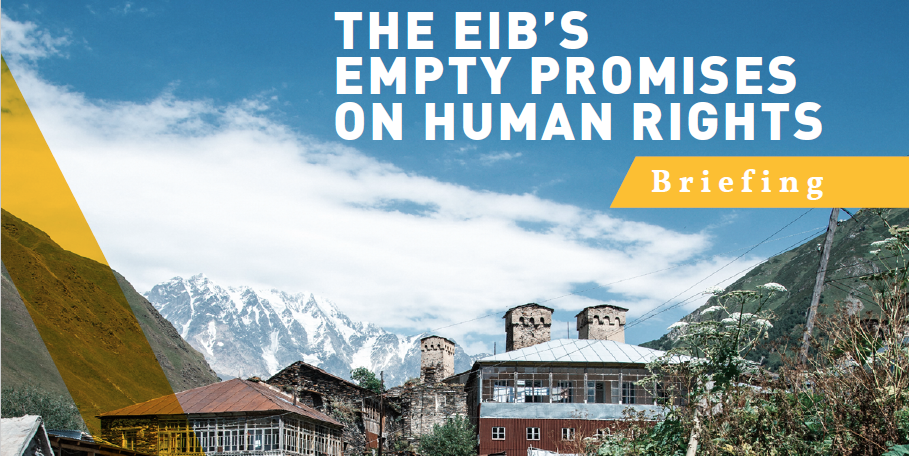
The EIB’s empty promises on human rights
November 12, 2020 | Read more
This briefing is extracted from a broader report carried out by NGOs CEE Bankwatch Network and Counter Balance regarding the European Investment Bank’s (EIB) track record in the development field. Over the last decades, in solidarity with numerous citi
Letter to EIB Board on Climate Bank Roadmap
November 10, 2020 | Read more
Policy briefing for the EIB Board of Directors.
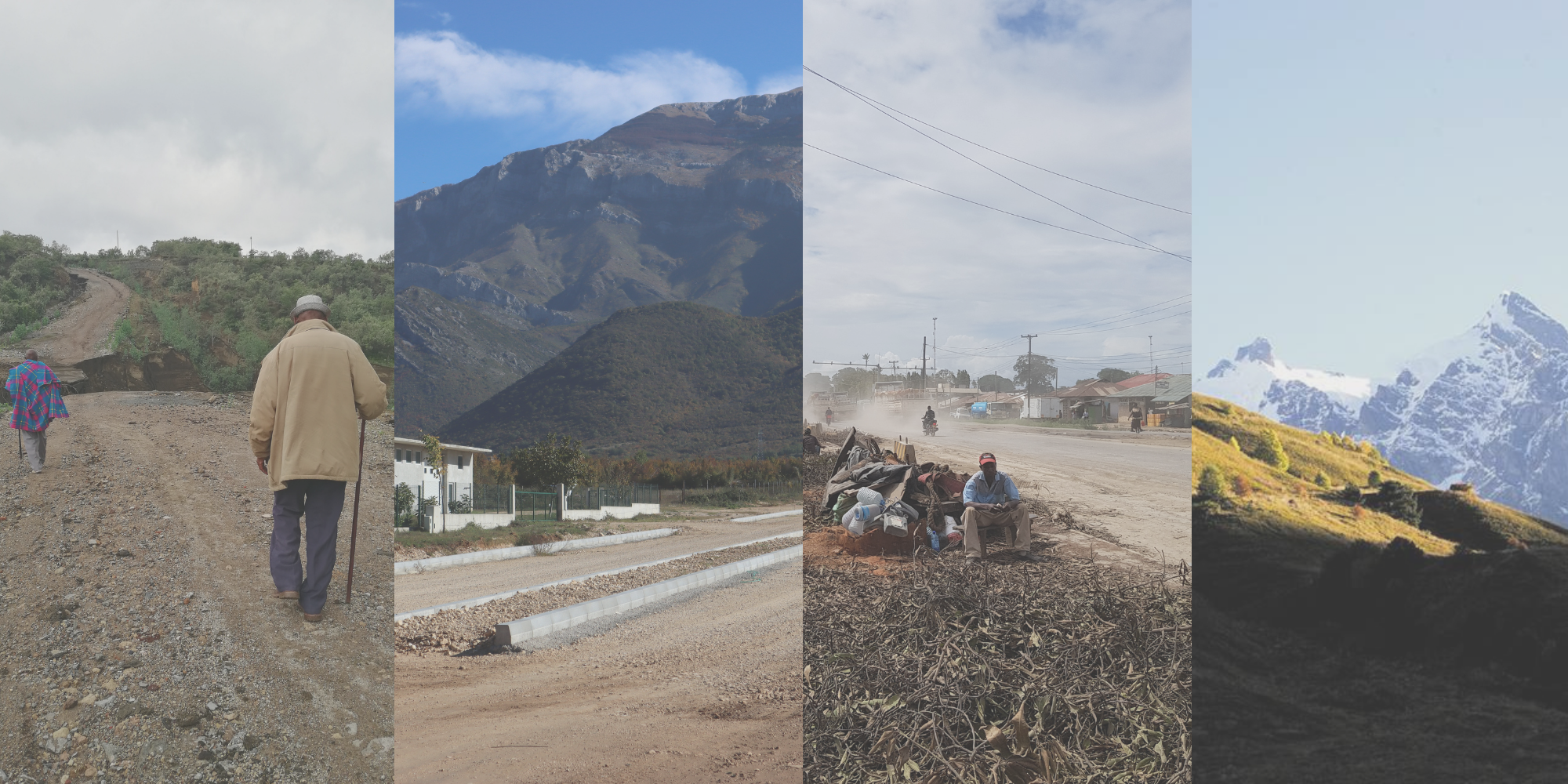
NEW REPORT: Is the EIB too faulty to become the ‘EU Development Bank’?
November 9, 2020 | Read more
With the EU actively debating the reshaping of its development role in the context of the current global health and economic challenges and the ‘Finance in Common’ summit kicking off today, the European Investment Bank (EIB) is looking to take center stage as the new ‘EU Development Bank’.
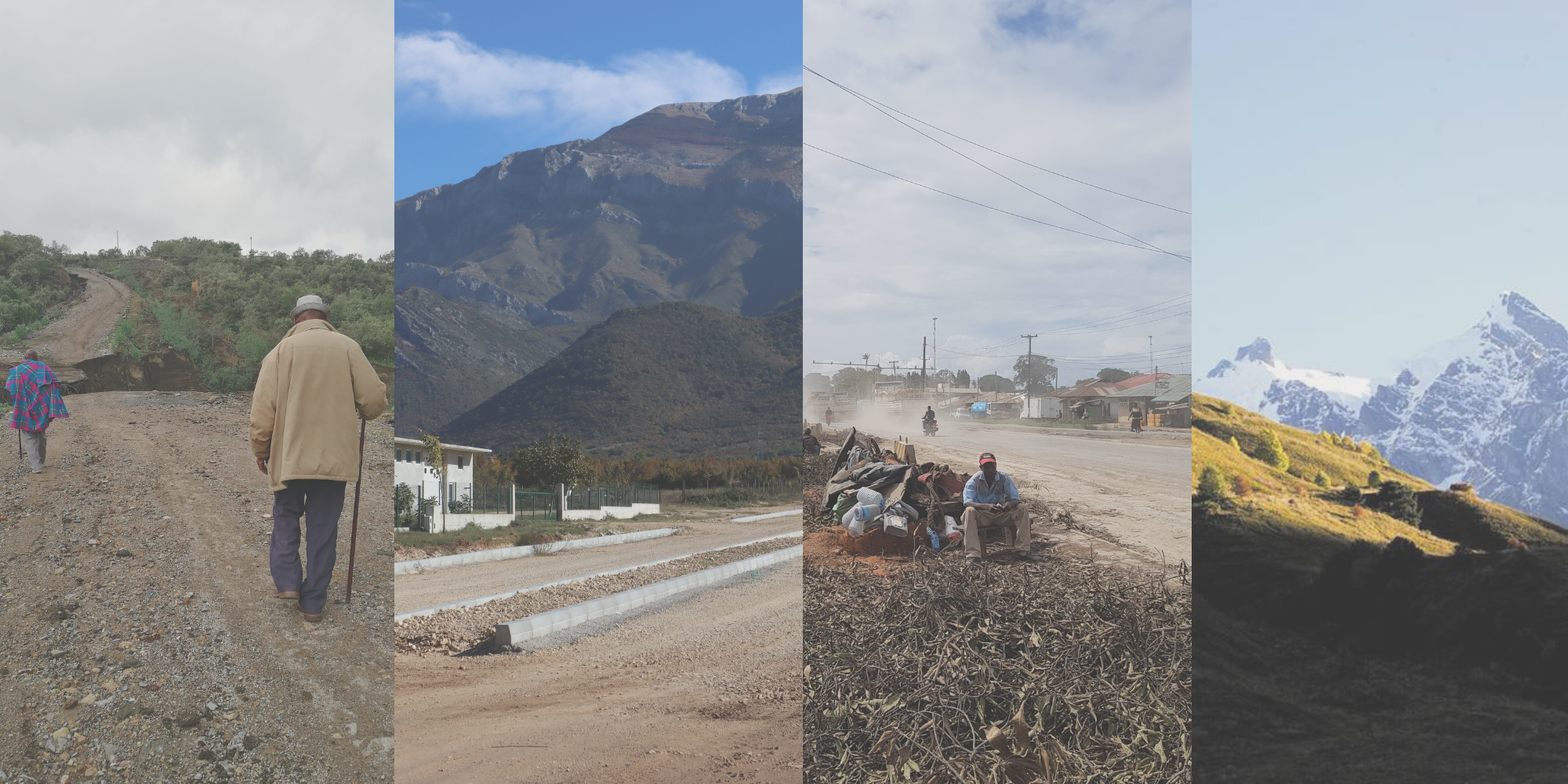
Can the EIB become the “EU Development Bank”?
November 9, 2020 | Read more
This report analyses the EIB’s track record in the development field and offers a series of detailed recommendations for fundamental reforms at the EIB, so that the Bank can better support partner countries’ development priorities and ultimately become a credible candidate for the “EU Development Bank” seat.
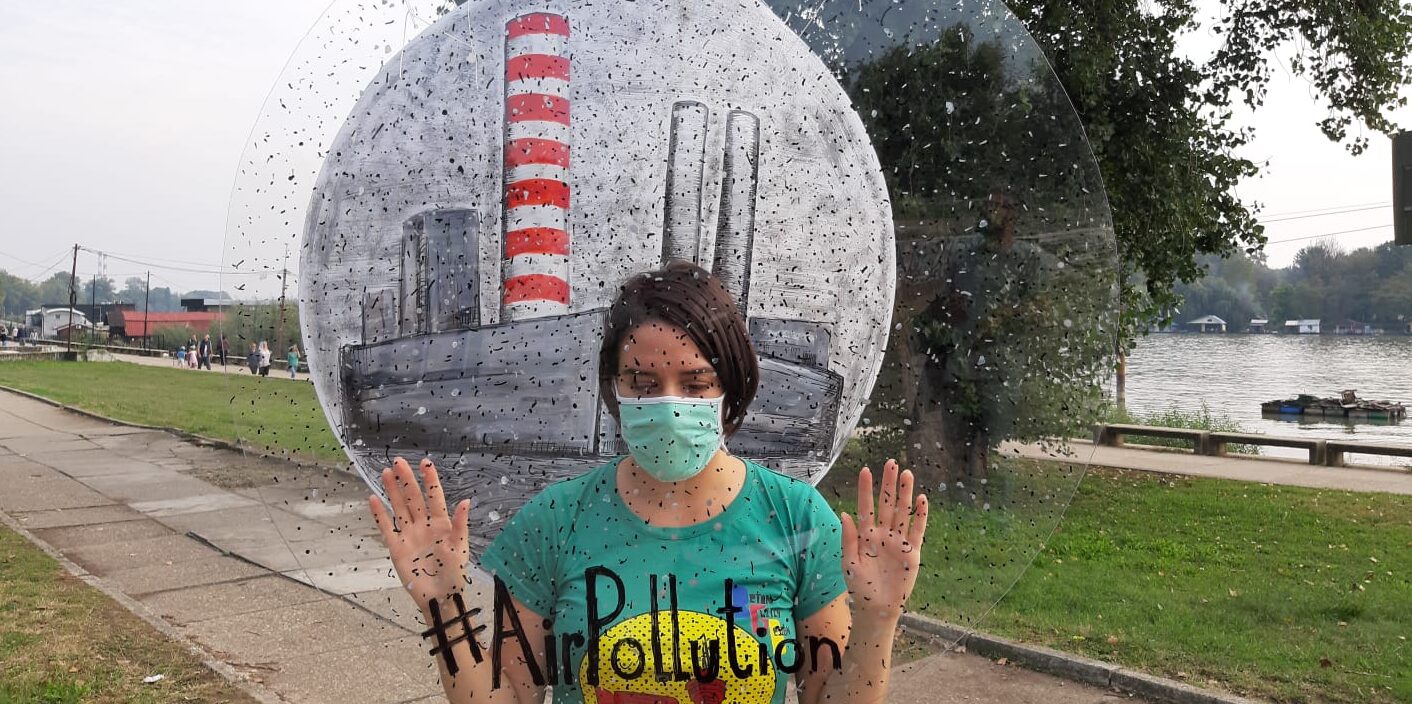
‘Smog globe’ shows reality of polluted winters in Belgrade now
November 3, 2020 | Read more
Artist and social activist Nada Krstajic tells the story of how growing up in heavily polluted Obrenovac inspired a public art installation to raise awareness about the dangerous air residents of Belgrade breathe due to the city’s proximity to coal-fired power plants.

