
Southeast Europe Energy Policy Officer
Email: pippa.gallop AT bankwatch.orgTel.: +385 99 755 97 87
Pippa works as Bankwatch Southeast Europe energy advisor, with a specialisation in coal and hydropower in the Western Balkans. She is based in Zagreb, Croatia and speaks English, Croatian and rusty German.
More from Pippa Gallop

EC must heed Ombudsman’s warning on gas gaffe beyond the EU
December 16, 2020 | Read more
Every two years, under the TEN-E Regulation, the European Commission selects a list of energy infrastructure projects as so-called Projects of Common Interest (PCIs), which receive privileged access to public financing.
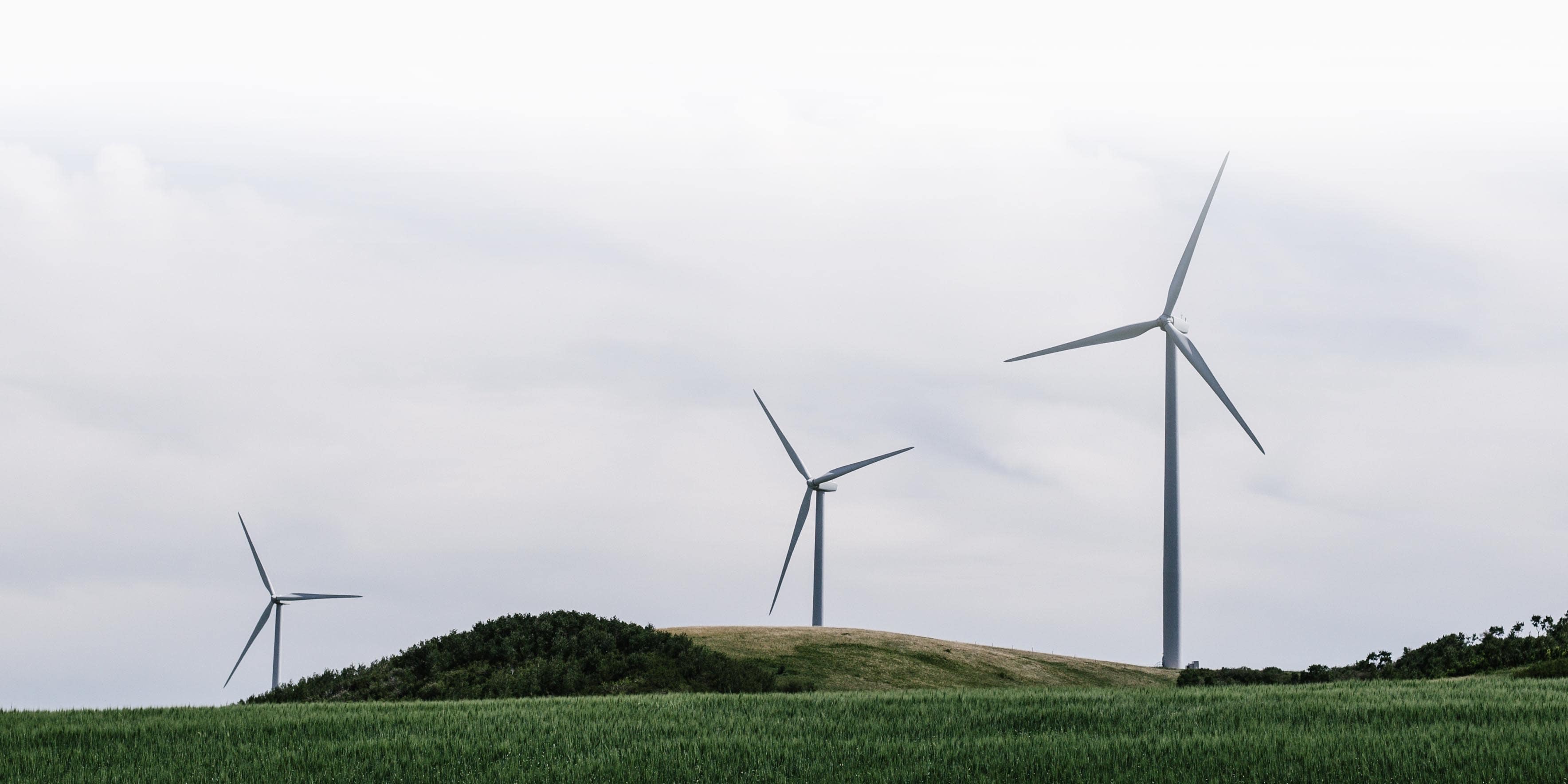
A Green Agenda for the Western Balkans: Where are the teeth?
October 8, 2020 | Read more
The European Commission on Tuesday published its 2020 enlargement package and an Economic and Investment Plan for the Western Balkans. This was followed on Wednesday by a Green Agenda for the Western Balkans, expected to be endorsed by the countries’ leaders at a summit in Sofia in November. We take a look at how the proposed Green Agenda compares to our recommendations.
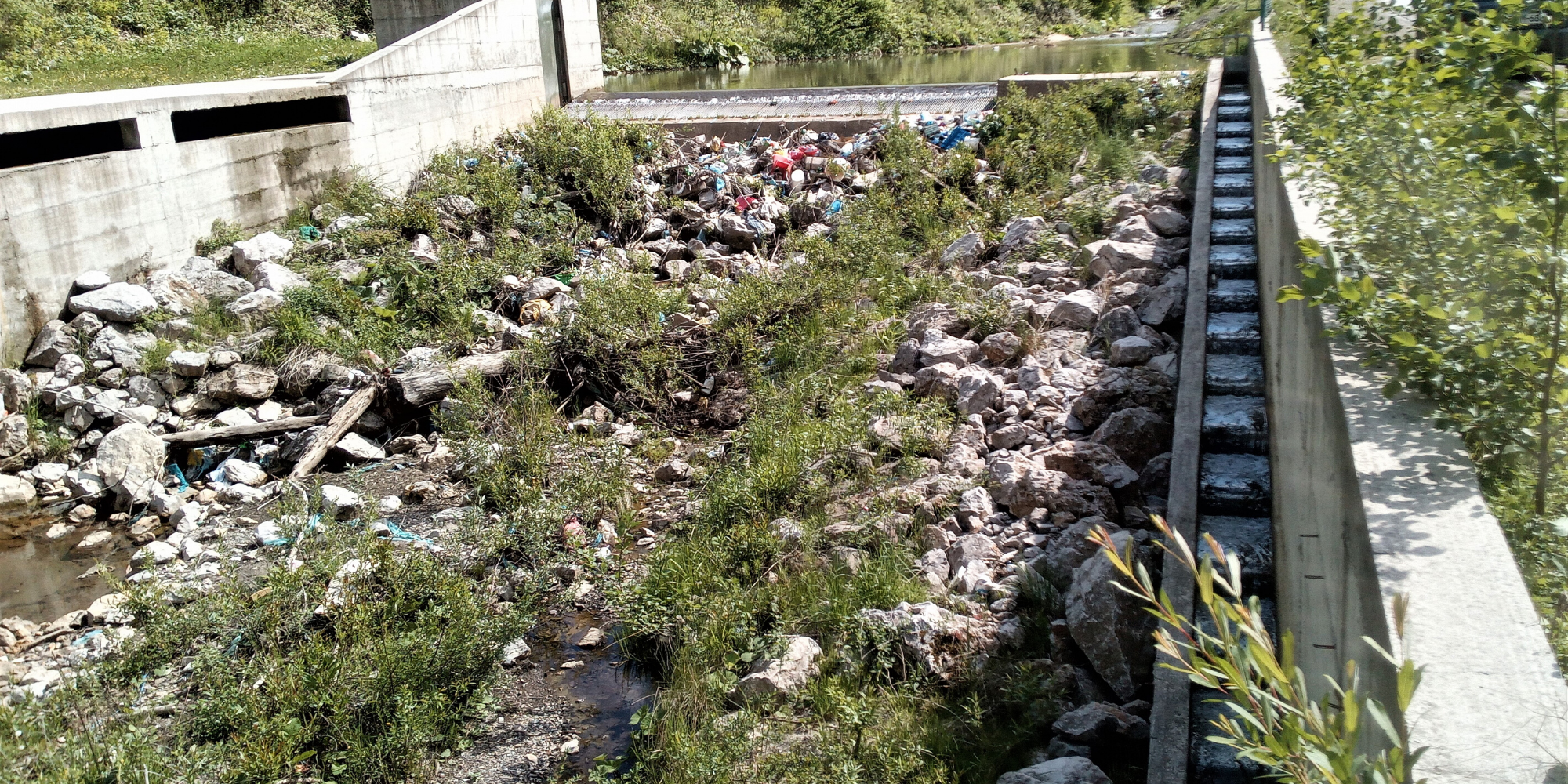
Prompted by widespread public resistance to small hydropower plants in the Western Balkans, the Energy Community Secretariat has recently been consulting the public on guidelines for the proper application of environmental and State aid legislation in such cases. Bankwatch’s input highlights a plethora of common deficiencies that need to be addressed.
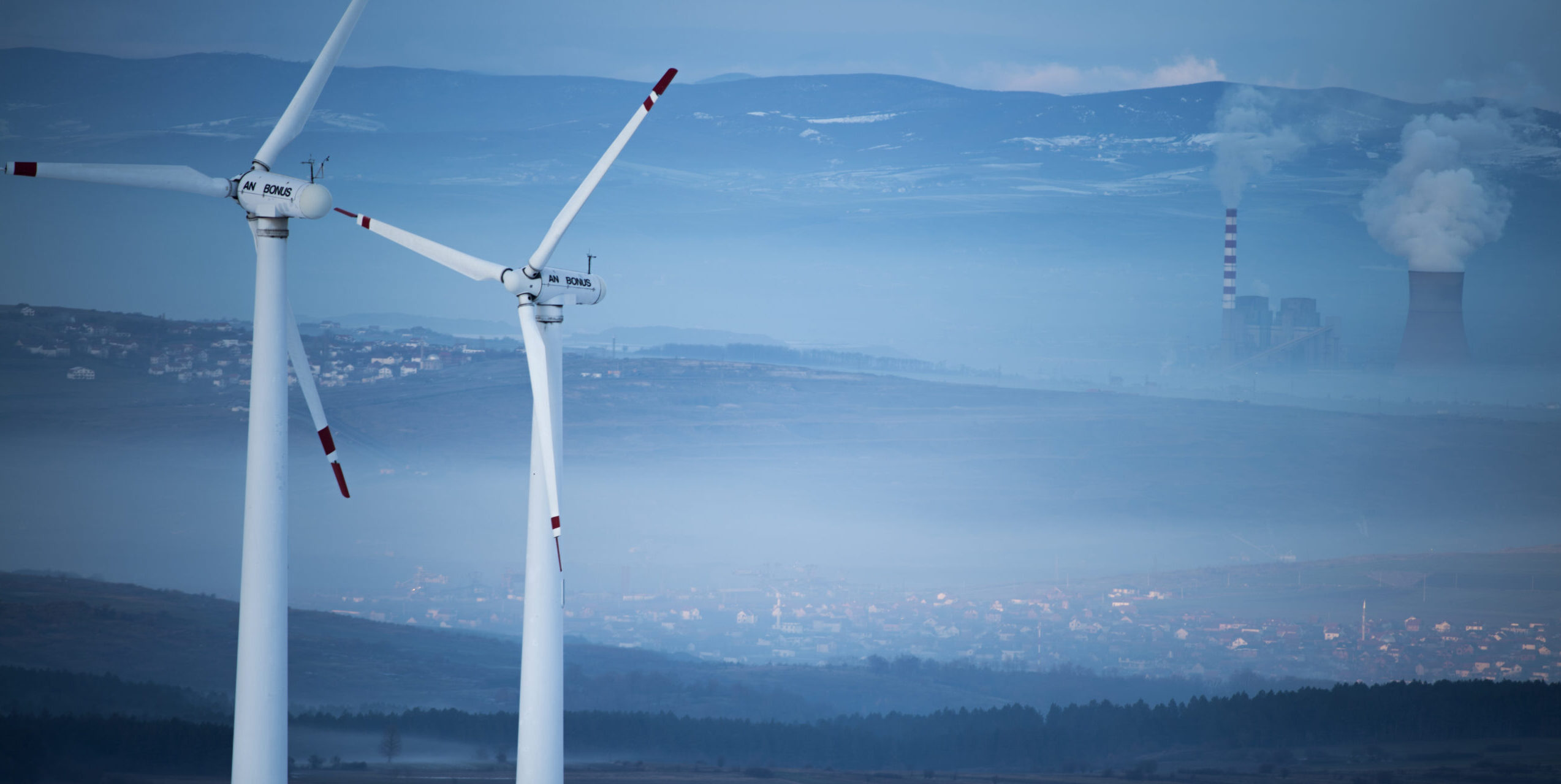
Despite this deadly legacy, just two years ago, all the Western Balkan countries except Albania still planned to build new coal power plants. Since then, three out of five have abandoned these plans. The region has split, creating a two-speed energy transition.
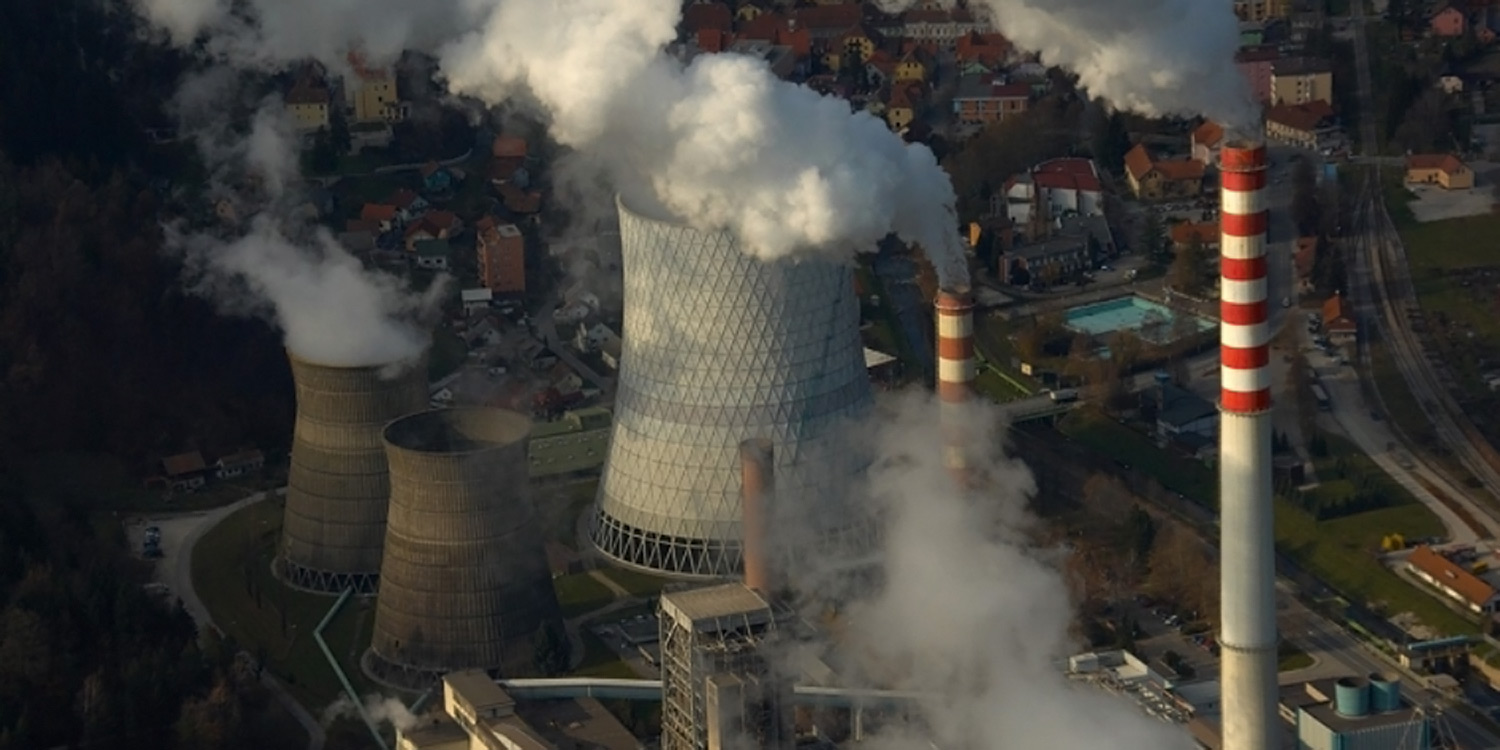
The long-running saga of Slovenia’s overpriced Šoštanj 6 coal power plant took a dramatic turn last week when Slovene prosecutors filed charges including money laundering against 12 people and two companies. Meanwhile, in 2018, the Šoštanj power plant as a whole generated a net loss of EUR 58.5 million. Why are nearby Serbia and Bosnia-Herzegovina – both countries that are planning new coal plants – not learning any lessons?

