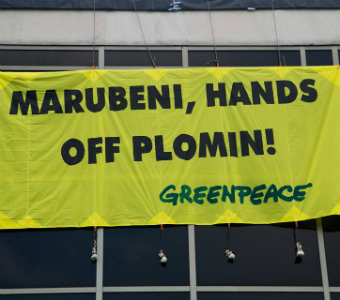
Marubeni, hands off Plomin!
October 28, 2014 | Read more
As Marubeni executive Hiroshi Tachigami attended today’s Energy Market Conference in Zagreb this morning, Greenpeace activists hung a banner from the Vatroslav Lisinski concert hall in Zagreb, advising Marubeni to keep its hands off the Plomin C coal power plant project.

Can the European Investment Bank move ahead of the pack on climate?
October 21, 2014 | Read more
The European Investment Bank is gearing up for an increased role in spurring growth in Europe as set out by the new Juncker Commission. Yet as Europe’s 2030 climate targets are being undermined by some countries the bank that wants to be a leader in climate action must keep in mind that we can no longer afford growth without sustainability.
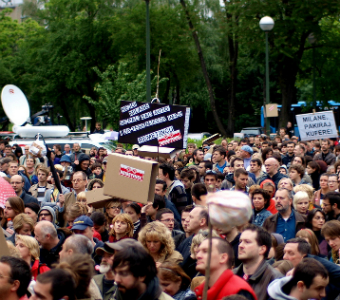
Zagreb Mayor arrested – and not before time
October 20, 2014 | Read more
Something quite amazing happened yesterday evening in Zagreb. The Croatian police and the State Prosecutor announced that several people had been arrested on suspicion of a number of criminal corruption offences, abuse of office and peddling influence. Among the arrested were Zagreb Mayor Milan Bandic, Head of Zagreb Holding municipal company Slobodan Ljubicic, the head of the ZET public transport company Ivan Tolic, head and part-owner of the CIOS metal recycling company Petar Pripuza and around 15 more un-named people.
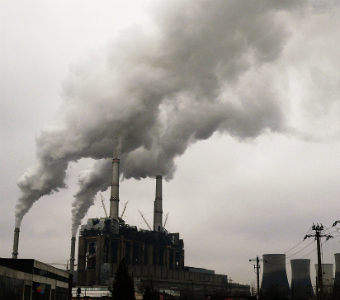
[Campaign update] Rovinari power plant put on ice
October 15, 2014 | Read more
A silver lining has appeared for the people of Rovinari with the set-up of a joint venture for a new lignite-fired power plant being put on hold. The town of Rovinari already suffers under heavy pollution from the existing plant.
Road construction in Poland can be a cause for great controversy in Poland not least when incomprehensible roads designs clash with nature.

Georgian Urban Energy (GUE), the company in charge of constructing the Paravani hydropower plant (HPP), has been keeping secret a study on the potential flooding risks associated with the facility, despite requests and promises from the EBRD that such an analysis would be made public.

