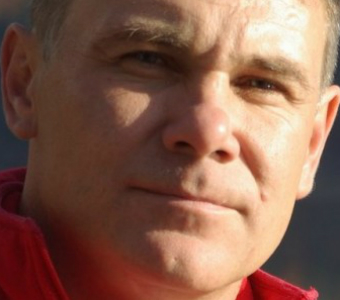
The recent rejection to release Evgeny Vitishko’s, an imprisoned environmental activist in Russia, illustrates the backlash against fundamental rights and freedoms in some countries. Multilateral development banks need to take notice of this trend and be more wary of the risk that their lending may strengthen authoritarian regimes.
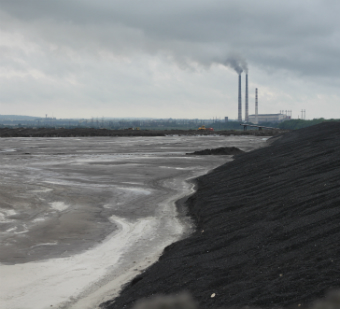
Will Ukrainian coal hijack today’s Energy Community meeting?
September 23, 2014 | Read more
Currently presiding over the EU-backed Energy Community’s Minsterial Council, Ukraine will likely try to dilute environmental regulations in the Treaty. But the country’s ageing coal-fired power plants are troubled by inefficiency and pollution and in dire need of environmental improvements.
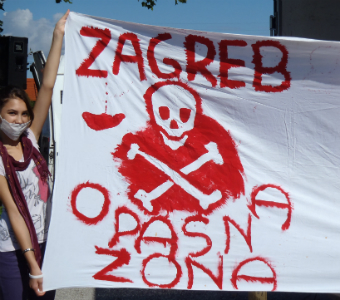
I had a strong sense of deja-vu today. On 31 March 2008, residents of the Zagreb suburb of Resnik held a protest against plans for a 385 000 tonnes per year waste incinerator which was to be built nearby. It was a sunny day and the majority of Resnik’s residents came along to show their opposition to yet another industrial facility being built in their neighbourhood and to push for a waste management system built on waste prevention and recycling.
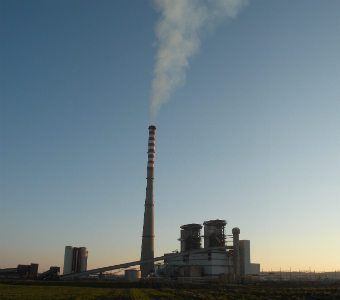
Cross-border coal pollution for the first time under scrutiny by UN body
September 22, 2014 | Read more
A new unit at the Kostolac coal-fired power plant in Serbia is the first coal project to be considered by the Espoo Convention Implementation Committee for transboundary impacts.
Serbian energy sector needs overhaul
September 10, 2014 | Read more
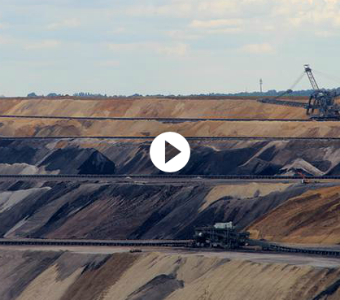
The news portal Deutsche Welle has visited the Kolubara lignite mine in Serbia and produced a short clip about the difficulties faced by the Serbian energy sector. Our Serbian colleague Nikola Perusic speaks in the video about the terrible landslide that happened in May 2013.
Corporate interest on way to win over the EU bank’s transparency policy
September 10, 2014 | Read more
In the draft version of its new transparency policy the European Investment Bank is making access to information on its tens of billion euros lending harder than ever.

