
Before claiming the moral high ground on fighting corruption in Ukraine, the European Bank for Reconstruction and Development should first of all brush up its own transparency policy and drop old-fashioned arguments in favour of confidentiality and secret conditionalities in its projects.
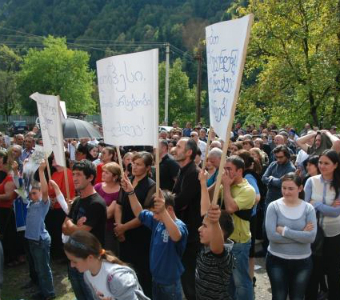
The growing antagonism between promoters of the Khudoni hydropower plant project in Georgia and their local opponents from Kaishi is unlikely to ease when the investor and the Georgian Ministry of Energy boycott mediation by Georgia’s Ombudsman.
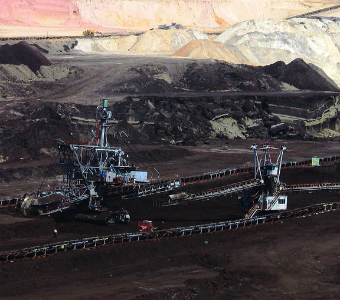
European Parliament criticises Serbia’s lack of progress on renewables
February 4, 2014 | Read more
Facing criticism by the European Parliament of its progress on climate friendly energy sources, the Serbian government tells Bankwatch’s member group that the future of the country’s energy system is none of their business.

New EBRD policy too weak on tax havens in development finance
February 3, 2014 | Read more
Debt and finance watchdog Eurodad has analysed the EBRD’s new policy on domiciliation and explains how it does not take the bold steps needed to tackle the use of tax havens in development finance.

Charts: The two worlds of EIB climate action
February 3, 2014 | Read more
Our analysis of the latest available lending figures from the European Investment Bank show a striking imbalance between what was invested towards climate adaptation and mitigation in old and new EU Member States.
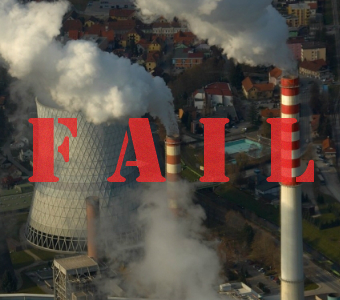
Guest post: A Balkan lesson for coal investors
January 28, 2014 | Read more
When Dr. Kim, President of the World Bank, and leaders of other international financial institutions ponder funding new coal power projects this year – like the one in Kosovo – there’s one word that should be seared into their memories: Sostanj.

