
The EIB’s double standard for human rights in Ukraine and Egypt
February 24, 2014 | Read more
While drawing concrete consequences from the violence that happened in Ukraine, the European Investment Bank seems to be unmindful of the ongoing human rights abuses and killings in Egypt.
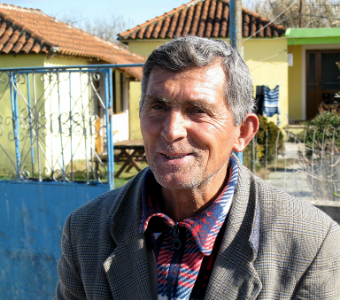
In Albania, oil’s history casts long shadows over locals
February 21, 2014 | Read more
The findings of a visit to the EBRD sponsored Patos Marinza oil field in Albania show how local development and investments in resource extraction often do not go hand in hand. The case provides valuable lessons for the revision of the EBRD’s safeguard policies.

The European Bank for Reconstruction and Development praises its own achievements in the agricultural sector. A look at Ukraine, however, reveals how sustainable food provision, local communities and the quality of soil are falling by the wayside with the bank’s focus on big industrial operations.

EIB commits to review tax haven policy
February 14, 2014 | Read more
During the annual meeting between civil society and the EIB’s Board of Directors, the European Investment Bank committed to review its outdated tax haven policy this year. The commitment which followed a letter from several NGOs expressing such demand, is the most concrete outcome of the meeting which took place on 3rd February in the bank’s headquarters in Luxemburg.
Update: The EBRD clarified in its correspondence with Baby Milk Action that its loan will not be used to finance infant nutrition.
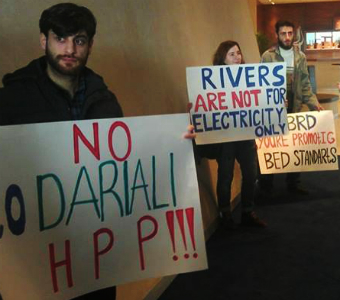
As activists pointed out at a consultation meeting in Tbilisi, Georgia’s hydropower sector has plenty of lessons to be learned by the European Bank for Reconstruction and Development.

