
As countries around Europe strive in the first weeks of the year to conclude spending plans that will guide how they deploy billions of EU funds for the 2014-2020 budgetary period, last week saw a welcome move in Poland with the shelving of a controversial airport proposal that had been in line for EU support.
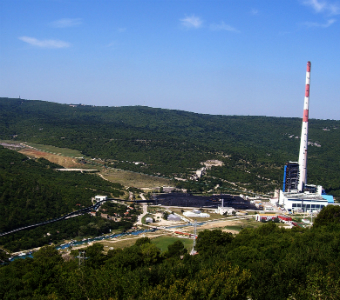
[Campaign update*] New legal complaint on Plomin C
January 17, 2014 | Read more
Zelena akcija/Friends of the Earth Croatia has submitted a complaint to the Croatian Constitutional Court as part of its ongoing campaign to prevent the construction of the Plomin C power plant, which would be run on imported coal.

Six months after the Egyptian army deposed Egypt’s first freely elected president, the weak democratic signals by the authorities are overshadowed by widespread repression. How can the European Bank for Reconstruction and Development possibly help under these circumstances? Or put differently: Will the limited benefits to the country’s private sector from EBRD engagement really be enough to outweigh the harm done by the bank’s support for an undemocratic regime?
Litmus test for EBRD rhetoric on democracy with Egyptian oil project
December 19, 2013 | Read more
On December 18 the EBRD board of directors approved a loan of USD 50 million to finance a project aimed at the expansion of oil operations and reducing gas flaring in Egypt. Yet the tenuous political situation in the country continues to raise concerns about the bank’s ability to make a positive contribution towards the democratic process, and whether it should be investing there at all.

At a closer look the EBRD’s new energy strategy, complimented for the restrictions it places on coal lending, reveals a shocking lack of operational knowledge to implement the ambitions outlined in its executive summary.
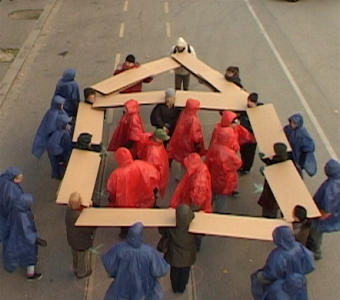
With only a few weeks to go now until final crucial decisions are taken that will determine Hungary’s EU spending plans for the next seven years, Bankwatch’s Hungarian member group MTVSZ decided last week that it was about time the Hungarian government got its house in order when it comes to beneficial EU allocations for cutting domestic energy bills, stimulating the Hungarian economy and fighting climate change.

