
There is a big long list of technical jargon attached to the programming documents of the EU funds for the 2014-2020 funding period – enough to fill an entire blog post on its own. But you will be relieved to read that, in the context of Latvia’s ongoing negotiations as to how we will spend our future EU budget money, I will focus on only one of these items. It may be a bit of a mouthful, but it is what it says it is – only in Latvia, as environmental NGOs are discovering, what should be a safeguard for the environment appears to have gone missing.
All eyes on the EBRD – will it go coal free?
August 14, 2013 | Read more
In case you missed it, the tectonic plates just shifted in the world of international financial institution (IFI) energy lending.
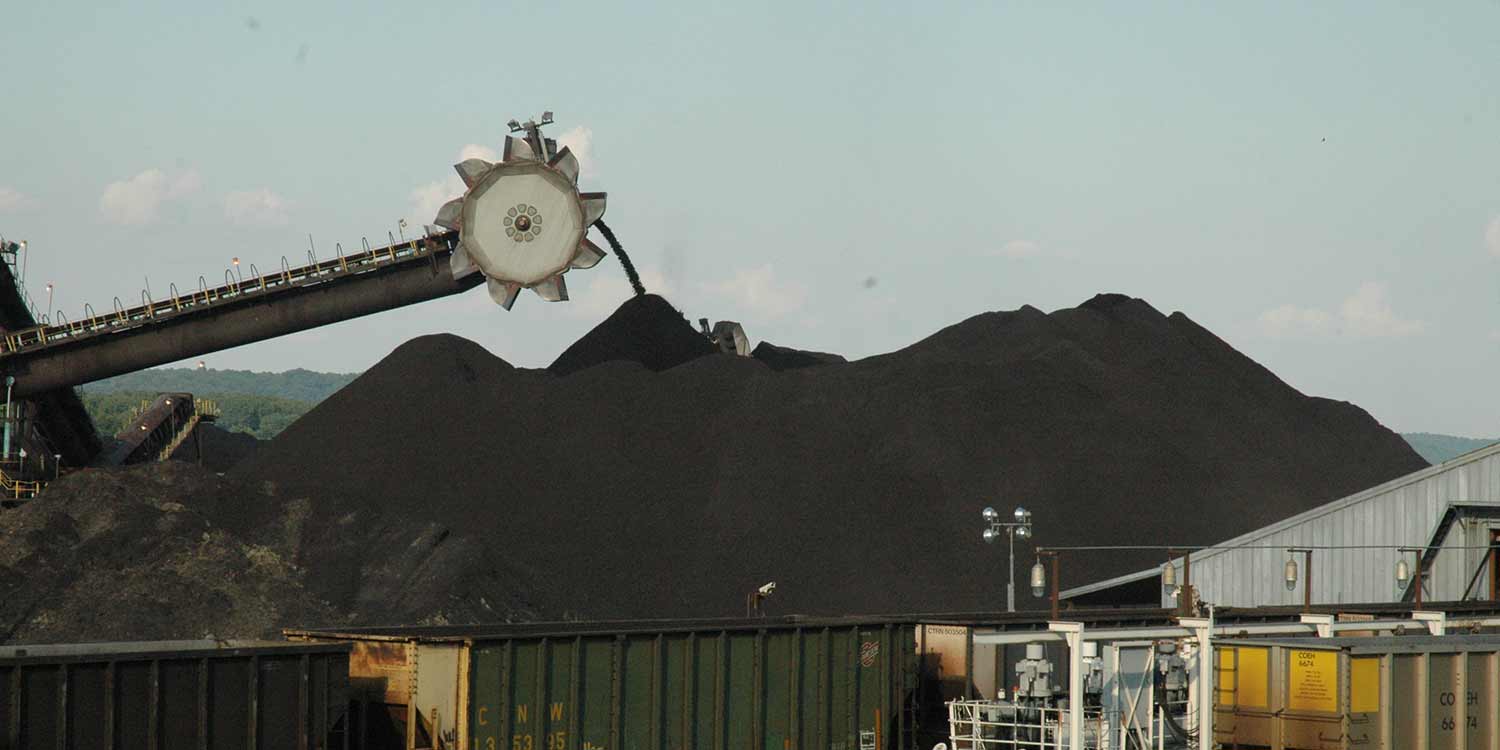
The EIB finally limits coal lending
August 1, 2013 | Read more
For the last couple of years, we have been calling on the European Investment Bank to drop coal lending. Finally, we’re starting to see some results.

By putting too much trust in its client EPS, the EBRD failed to notice that an important grievance mechanism for villagers near the mine was not in place – for two years. [*]
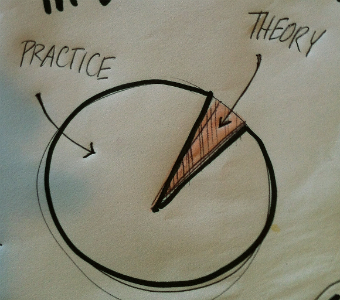
PPPs “poor in practice” admits new EBRD-financed study
July 22, 2013 | Read more
Despite collecting impressive evidence from 20 years of failed public-private partnerships in central and eastern Europe, an EBRD-financed study by the Economist Intelligence Unit concludes to continue using the controversial financing scheme.
New facts are busting energy myths
July 18, 2013 | Read more
Adequate decision making on energy policies must be based on accurate information and cannot rely on outdated knowledge and misconceptions. A new series of fact sheets explores the myths and facts of Europe’s energy sector.

