Energy consultations reveal lack of strategic thinking at the EBRD
September 6, 2013 | Read more
With another public action, colleagues in Moscow are today bringing to a close a week that has seen the European Bank for Reconstruction and Development having to listen to a lot of uncomfortable truths.

Nordic countries ‘no’ to coal is a glimmer of hope for EBRD energy lending
September 5, 2013 | Read more
The global campaign to make the European Bank for Reconstruction and Development restrict its coal lending may have found new allies in Nordic countries after their declaration yesterday to seize overseas coal investments.
Thousands remind the EBRD that coal is not an option
September 4, 2013 | Read more
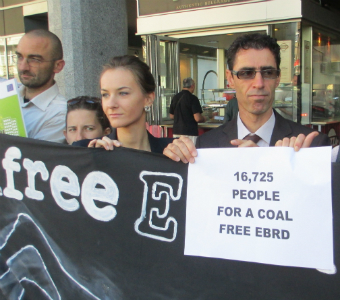
The European Bank for Reconstruction and Development received a little surprise visit this week from 16 000 voices against coal.
Charts: Financial allocations for Cohesion Policy
August 29, 2013 | Read more
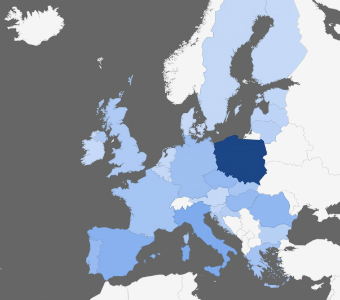
Cohesion Policy decisions are heating up at national level while financial allocations for the period 2014-2020 have been published this week.
As part of the consultation on its energy sector strategy the EBRD next week hosts public meetings in Istanbul, Belgrade and Moscow to discuss with civil society from its countries of operation. While public pressure is increasing to end coal financing it is important to note that restrictions to carbon-intensive investments must be strictly and clearly defined in the strategy document if they are to improve the EBRD’s climate impact. An article from Bankwatch’s 2012 annual report (pdf) illustrates how a too flexible approach allows the EBRD to greenwash also very dirty investments.
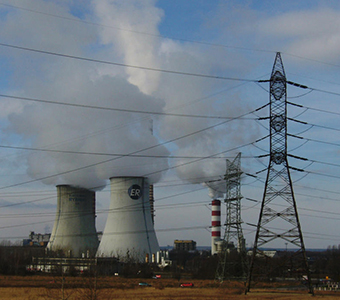
On Monday Polish NGOs Client Earth, Workshop for all Beings, Greenpeace, WWF and local community group Eco-Kociewie petitioned the General Director of Environmental Protection to cancel the environmental impact assessment permit for the Polnoc Power Plant in northern Poland.

