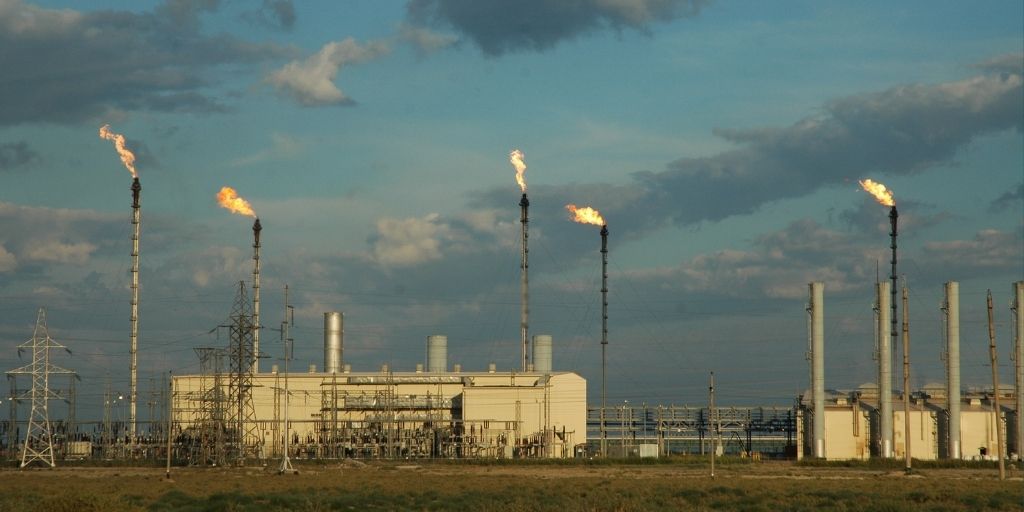
People around the world are already feeling the brunt of the climate crisis on an almost daily basis. Most governments accept we are in the midst of a global climate crisis, including those controlling the European Bank for Reconstruction and Development (EBRD). And yet, Bankwatch’s recent analysis shows that during 2019-2020, the EBRD has awarded the fossil fuels industry more than USD 2 million every day on average. Two million dollars. Every single day.
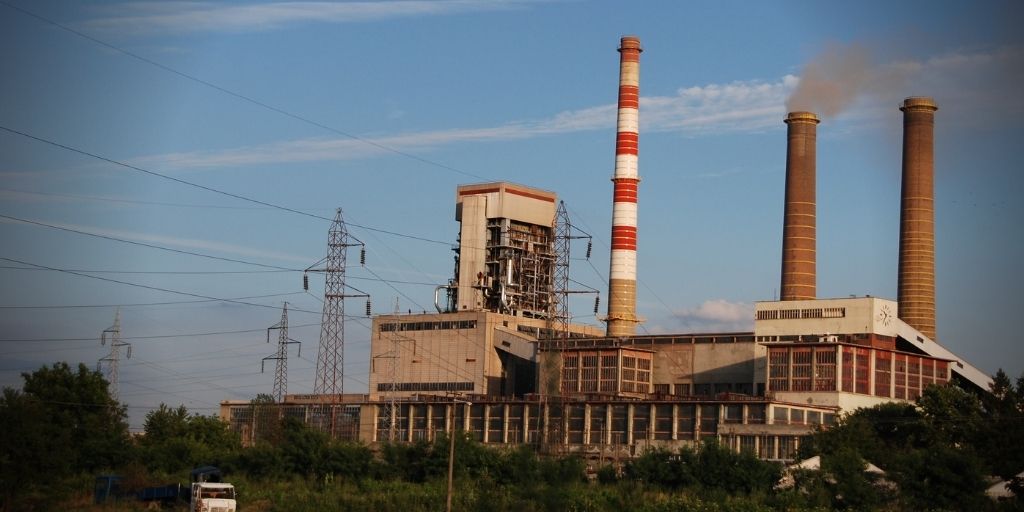
Serbia: key national plan risks cementing coal dependence
June 29, 2021 | Read more
The Serbian government’s 15-year national Spatial Plan is so keen to stick to business-as-usual it is openly ignoring some of the country’s most pressing issues to justify plans for six new fossil fuel-based power plants. Belgrade also doesn’t appear to care much about what Serbia’s neighbour to the east thinks regarding the implications these disastrous plans would have for them.

Romanian government’s coal phaseout blabber
June 17, 2021 | Read more
If official communication about the coal phaseout is any indication about how proper the process will be, we have reason to worry. Over the past weeks, the Romanian government first said they would phase out coal, then came back to say they don’t actually mean all of it.
Uzbekistan has 10,000 NGOs, but what do they do?
June 14, 2021 | Read more
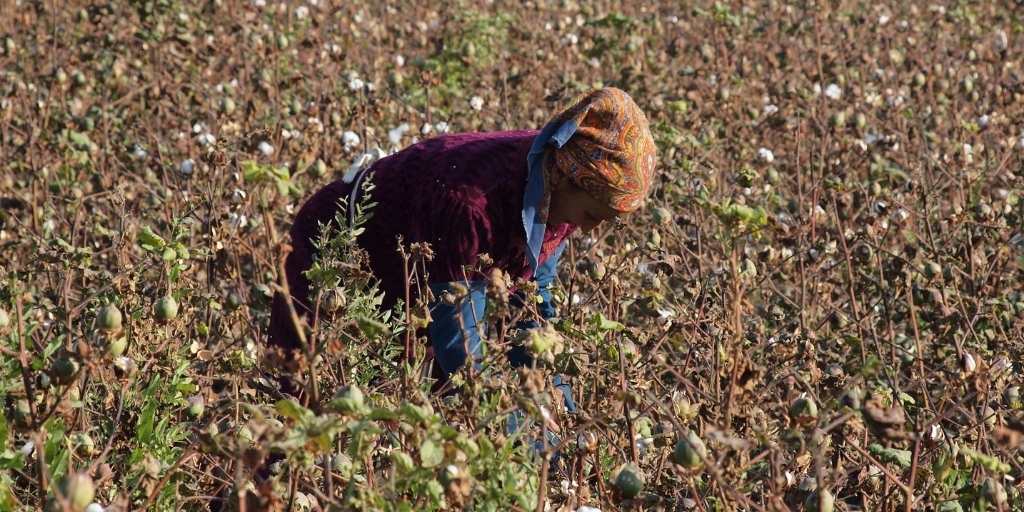
On paper, civil society in Uzbekistan seems to be thriving – but officials are hiding its problems behind manipulated data.

Calls to curtail the expansion of fossil gas infrastructure are mounting, and on Friday (11 June) EU energy ministers have a chance to ensure Europe’s cross-border energy infrastructure is in line with the leadership role it has taken in the global effort to stem the climate crisis

Hungary’s recovery plan – not green, just, or resilient
June 2, 2021 | Read more
Although the Hungarian recovery and resilience plan has undergone major changes since its first draft, it is still far from ensuring a green and just recovery. Despite MTVSZ / Friends of the Earth Hungary’s proposals, the final version leaves households alone in their efforts to improve energy efficiency and fails to propose easily-achievable biodiversity measures. If small modifications are made during the EU-level approval process, the plan could be improved considerably.

