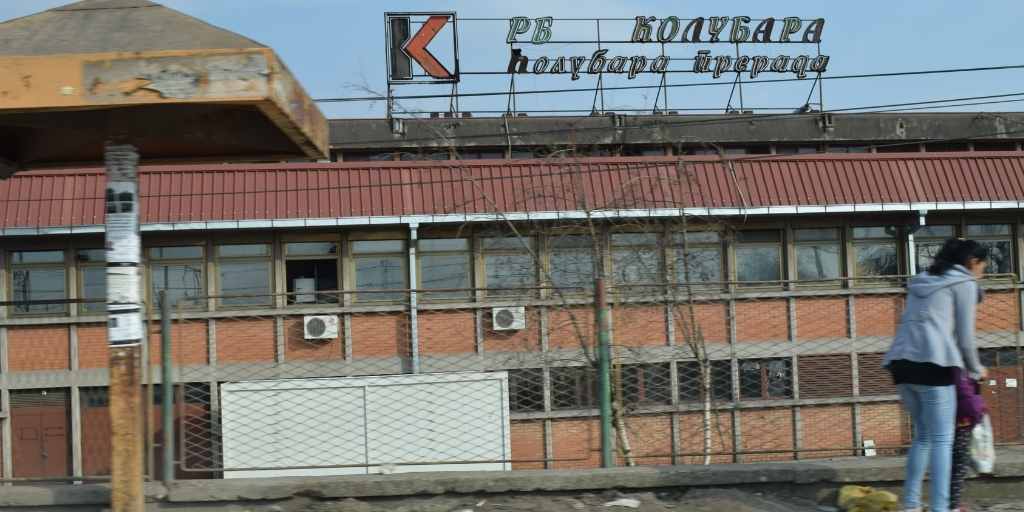
Earlier this week, Serbian media announced that plans for the new 350 MW Kolubara B coal power plant have been halted. This is a strong demonstration of political will as the Ministry for Mining and Energy seeks to steer the country towards energy transition. Several more courageous moves will be needed to cement this path and make sure no-one is left behind.

For too long, transparency and public participation have been a low priority for the European Investment Bank (EIB). Now it appears the world’s largest international lender is even in breach of international environmental law on access to information and public participation.

State support for exports is one part of a national budget where citizens are not sufficiently informed about how their taxes are being spent, and this is problematic given the vast financial flows to investments with questionable results.
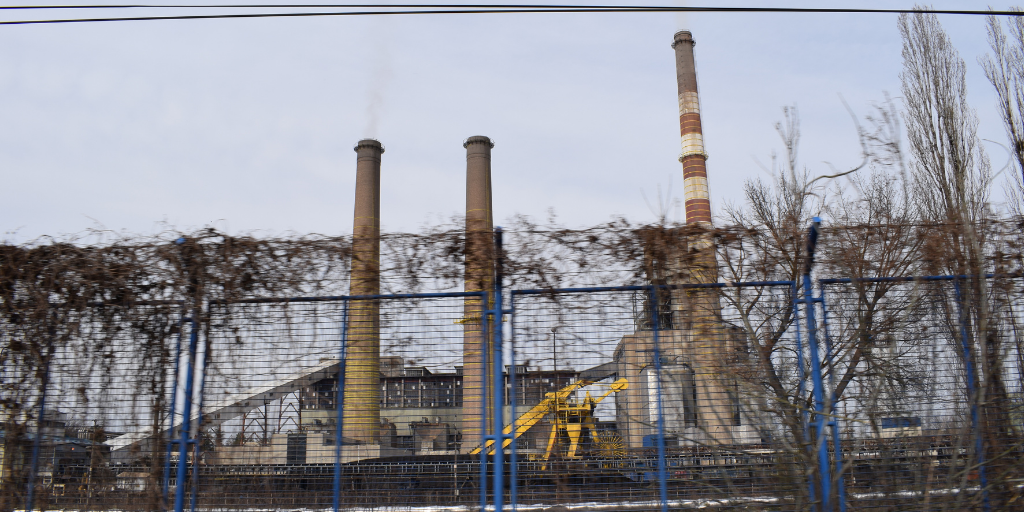
Based on three years of working on just transition in central and eastern European countries, Bankwatch has put together a set of guidelines which countries in the Western Balkans now embarking on the process can use to launch their own just transition.
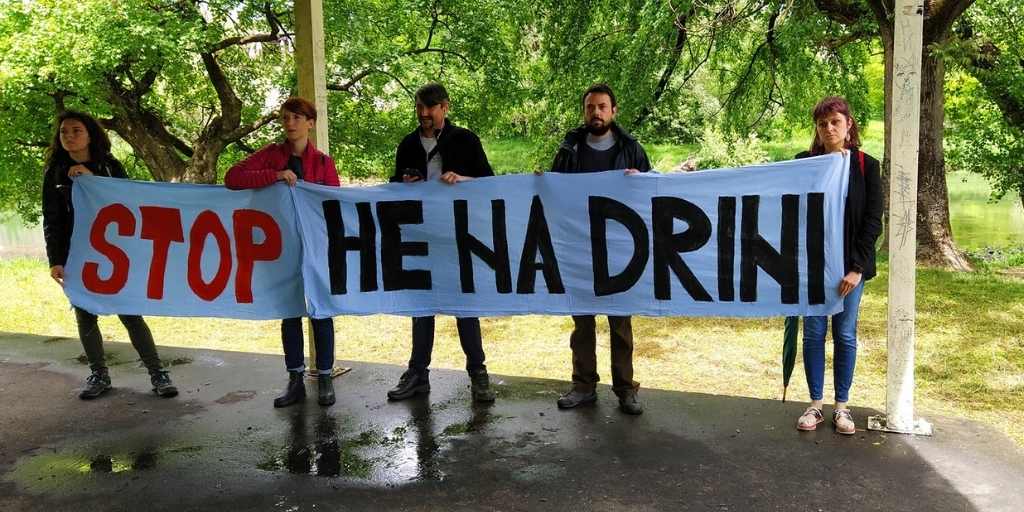
Serbian Prime Minister Ana Brnabić has today taken part in what was billed as a groundbreaking ceremony for the hotly disputed Buk Bijela dam on the upper part of the river Drina in Bosnia and Herzegovina (BiH). The event has been met by opposition from Serbia, Montenegro and BiH, as well as scepticism about the project’s readiness.
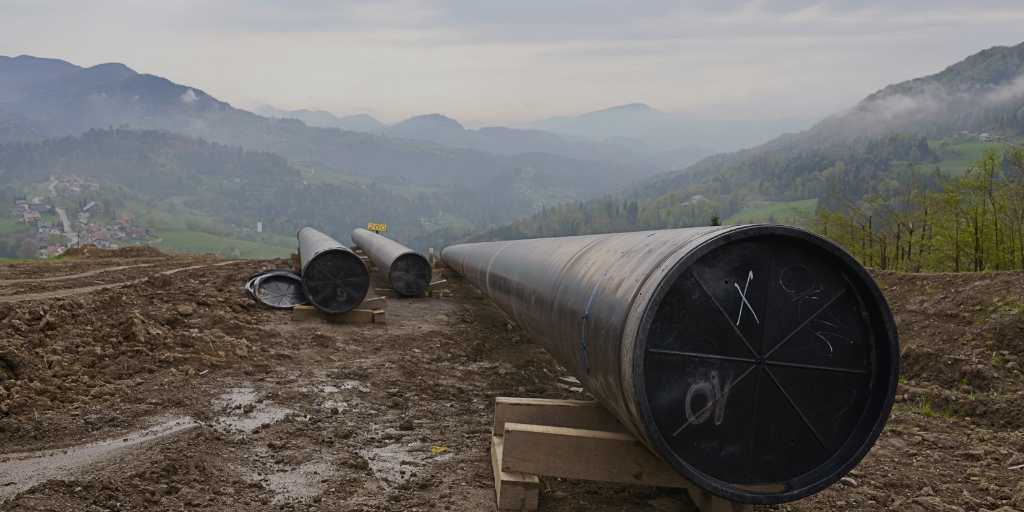
The European Commission’s oversight of the sustainability assessments of priority-labelled gas infrastructure projects in the Western Balkans will be investigated by the European Ombudsman, following a Bankwatch complaint about their climate footprint.