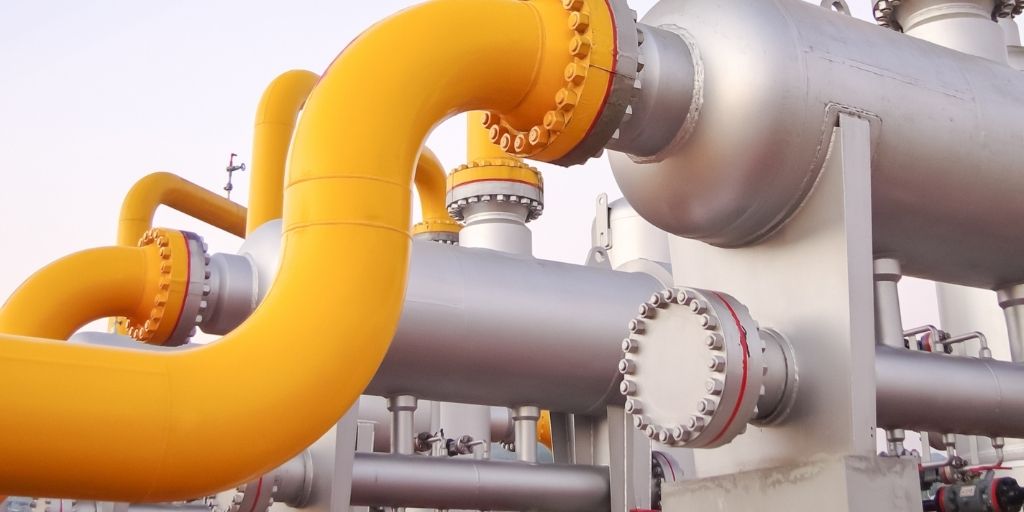
Fossil gas investments undermine green recovery in Romania
August 9, 2021 | Read more
Despite strong criticism from the European Commission, the Romanian authorities are determined to use the EU recovery fund for massive investments in fossil gas and hydrogen.
A joint Bankwatch-CAN Europe analysis in 11 countries shows little involvement of local stakeholders in the programming process of EU structural and investment funds. This contradicts EU rules on partnership and multi-level governance and won’t help reach the Green Deal’s objectives.

In the national recovery and resilience plans, energy efficiency and building renovations can play a key role for Member States to achieve the required target of 37 per cent of expenditures related to climate. The potential to modernise buildings is the greatest in central and eastern Europe, where the building stock is particularly inefficient. But an assessment of eight national plans across the region finds uneven progress towards these aims. Christophe Jost of Bankwatch concludes that this is likely to hamper efforts to decarbonise the region’s building stock in line with the Renovation Wave´s ambitious objectives.
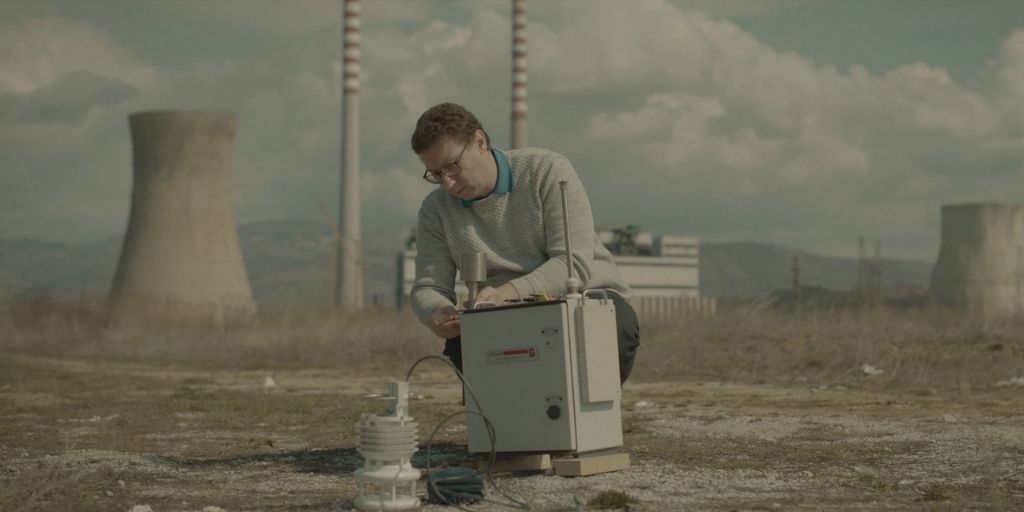
The heroic dust monitor
July 22, 2021 | Read more
This year we are marking five years since Bankwatch engaged in air pollution work in the Balkans. Throughout these years, there was one constant in the work – the environmental dust monitor. It has become the hero of many communities and is known to every organisation in the region that works for cleaner air.

In a series of video tutorials, we demonstrate tools civil society organisations and activists from Uzbekistan can use to have a say about projects supported by development banks that may affect their communities and the environment.
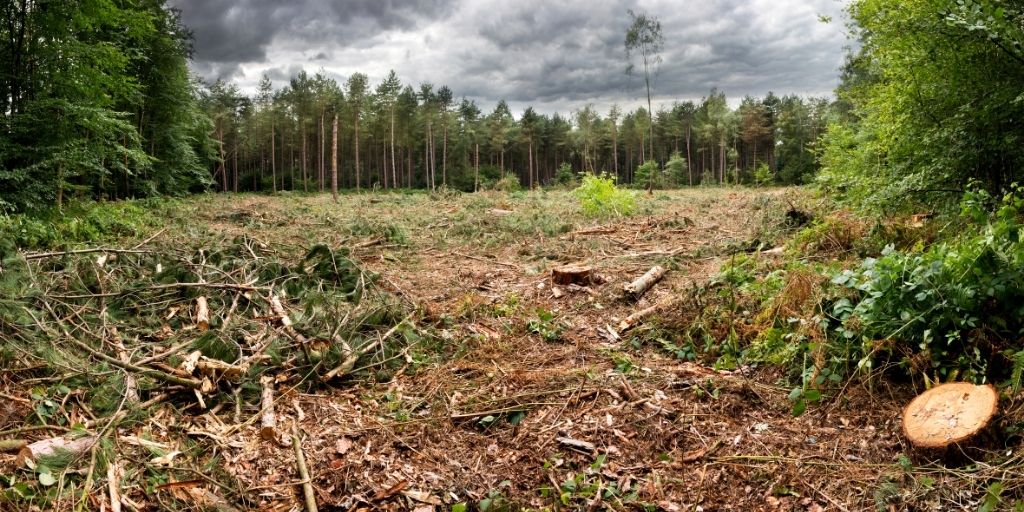
Estonia barely scratches the surface on green recovery
June 30, 2021 | Read more
Estonia’s recovery and resilience plan was one of the last to be submitted to the European Commission. Yet despite the extra time it took authorities to develop, the plan is based on an incomplete vision of a green recovery which completely ignores the issues of biodiversity and nature protection.

