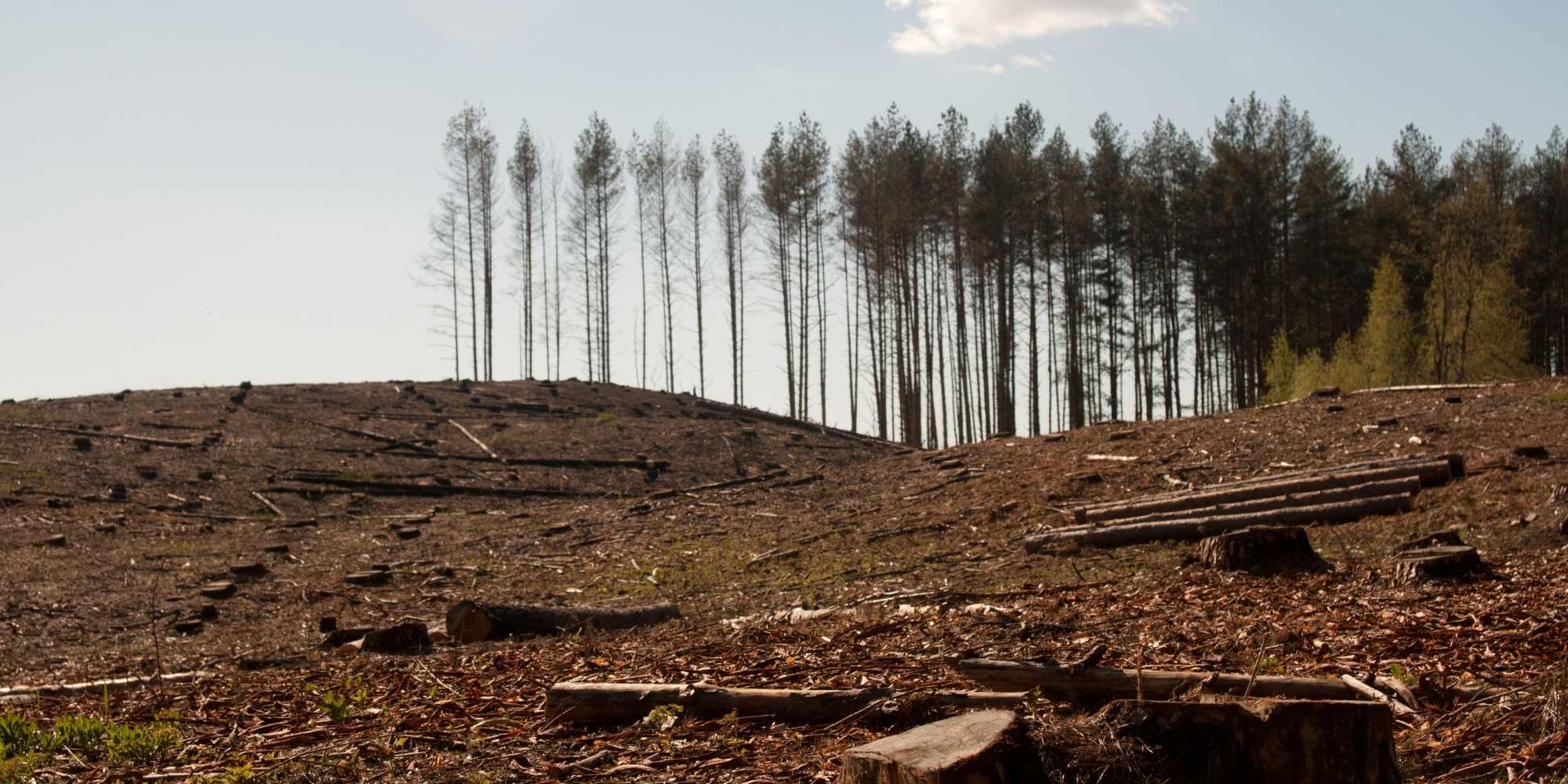
Instead of proposing measures that protect nature, countries plan to spend recovery money on projects that jeopardise the EU’s biodiversity objectives. Countries can still reverse this worrying trend before it’s too late.
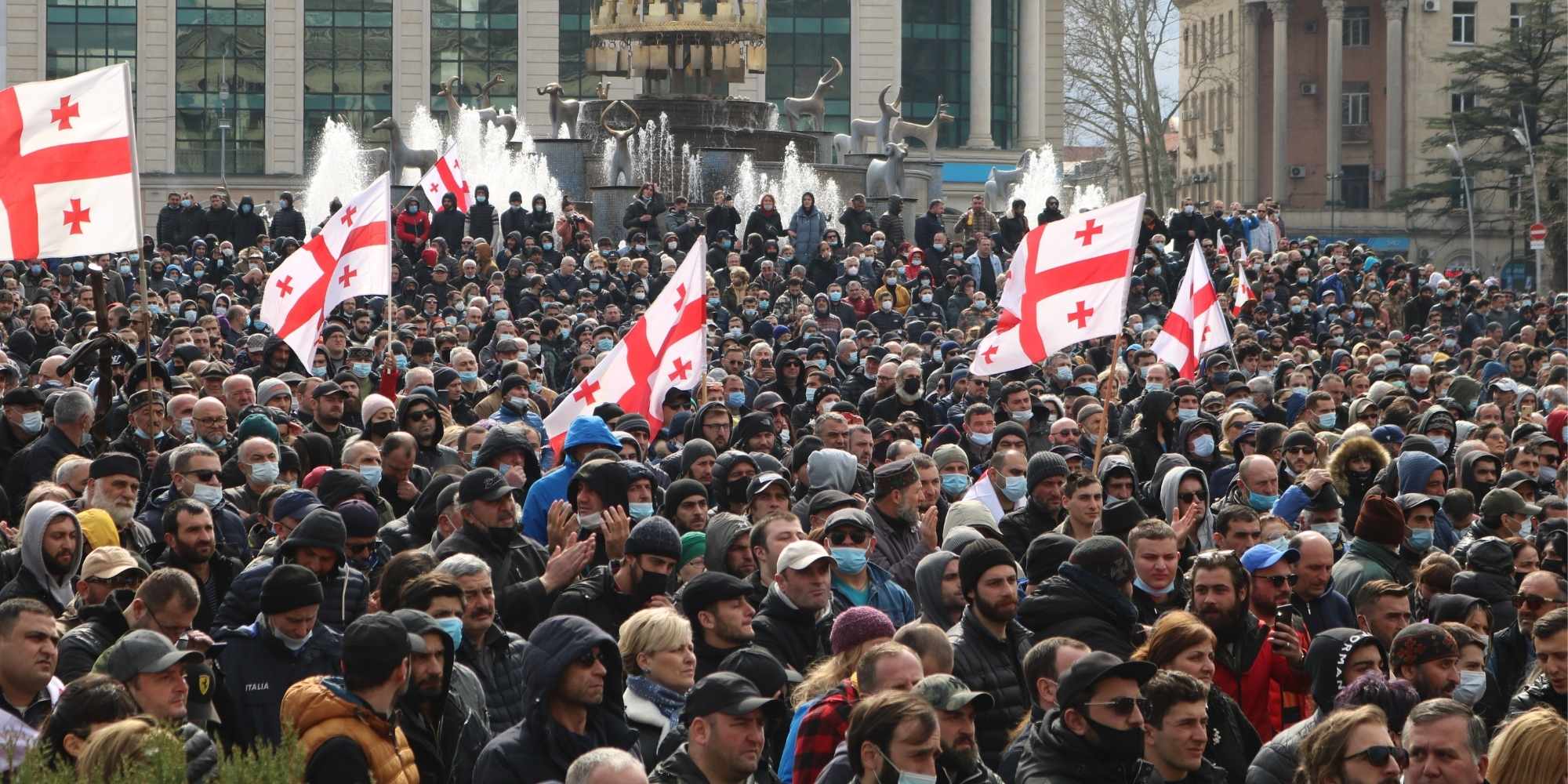
In just a few months, a protest against a large dam on the Rioni River has grown from a handful of people in Lechkhumi, western Georgia into a national demonstration. On the International Day of Action for Rivers, 14 March, thousands of Georgians made history with the largest environmental protest in the country’s recent past.
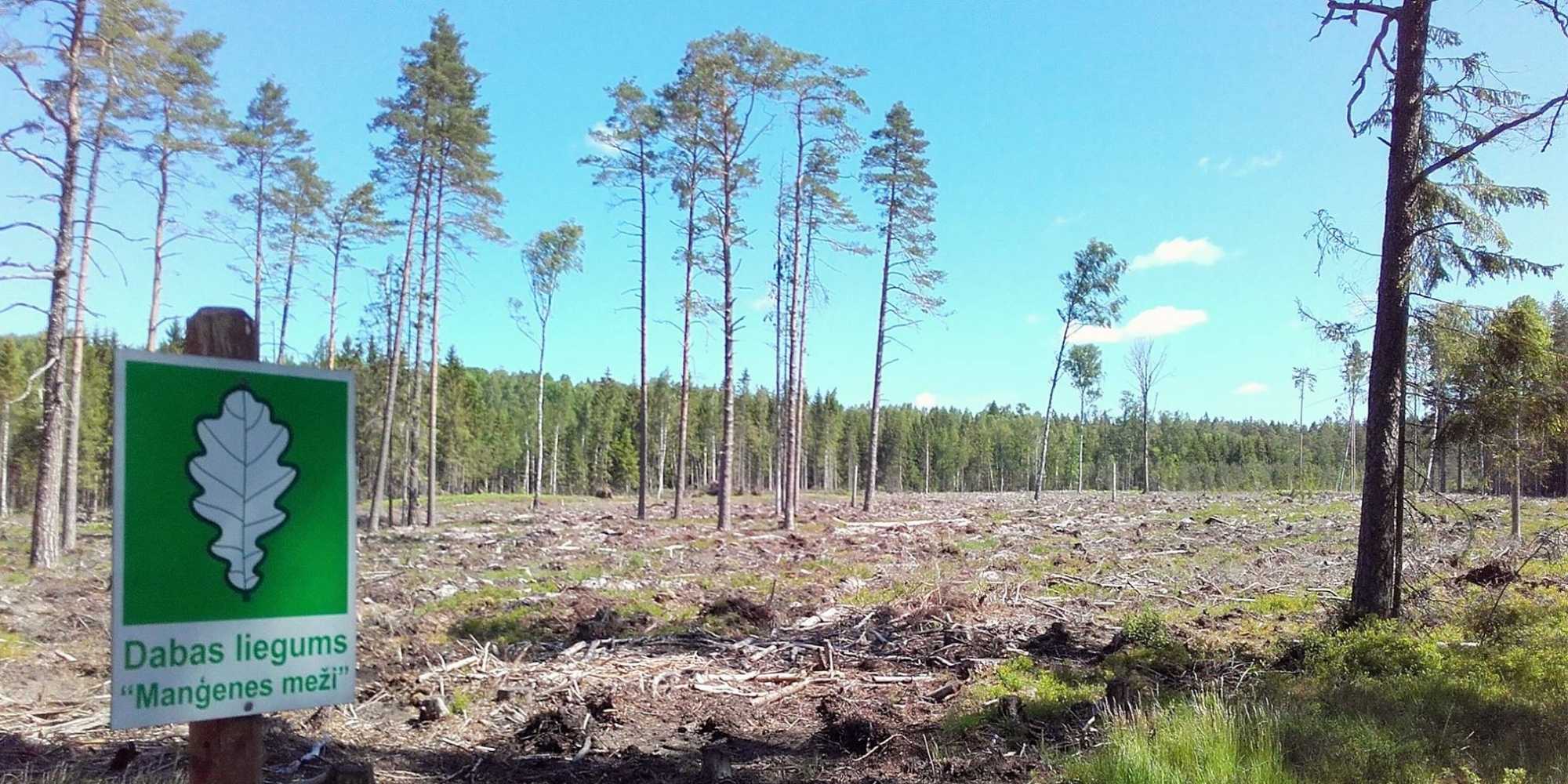
Biodiversity forgotten in the Latvian recovery plan
April 8, 2021 | Read more
There is less than one month left for Member States to submit their national recovery and resilience plans to the European Commission. Yet, the Latvian plan is still far from fulfilling the Commission’s requirements to allocate at least 37% of proposed measures to achieving climate objectives.
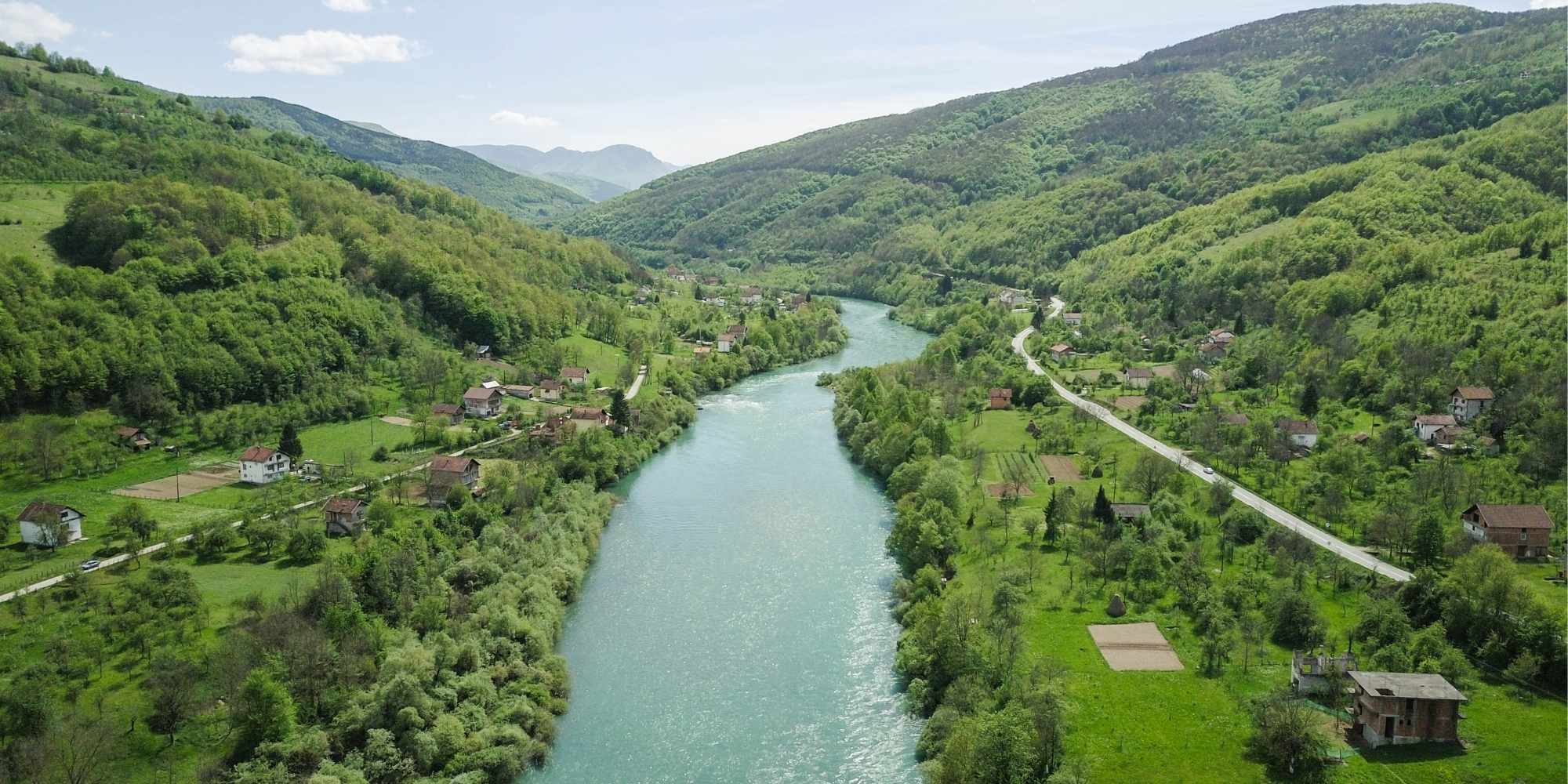
The energy sector damages rivers, lakes and other habitats in the countries participating in the Energy Community Treaty, and the Treaty’s current rules are not sufficient to protect them. Our new analysis shows how the EU’s nature and water Directives can be adapted to help address this problem.
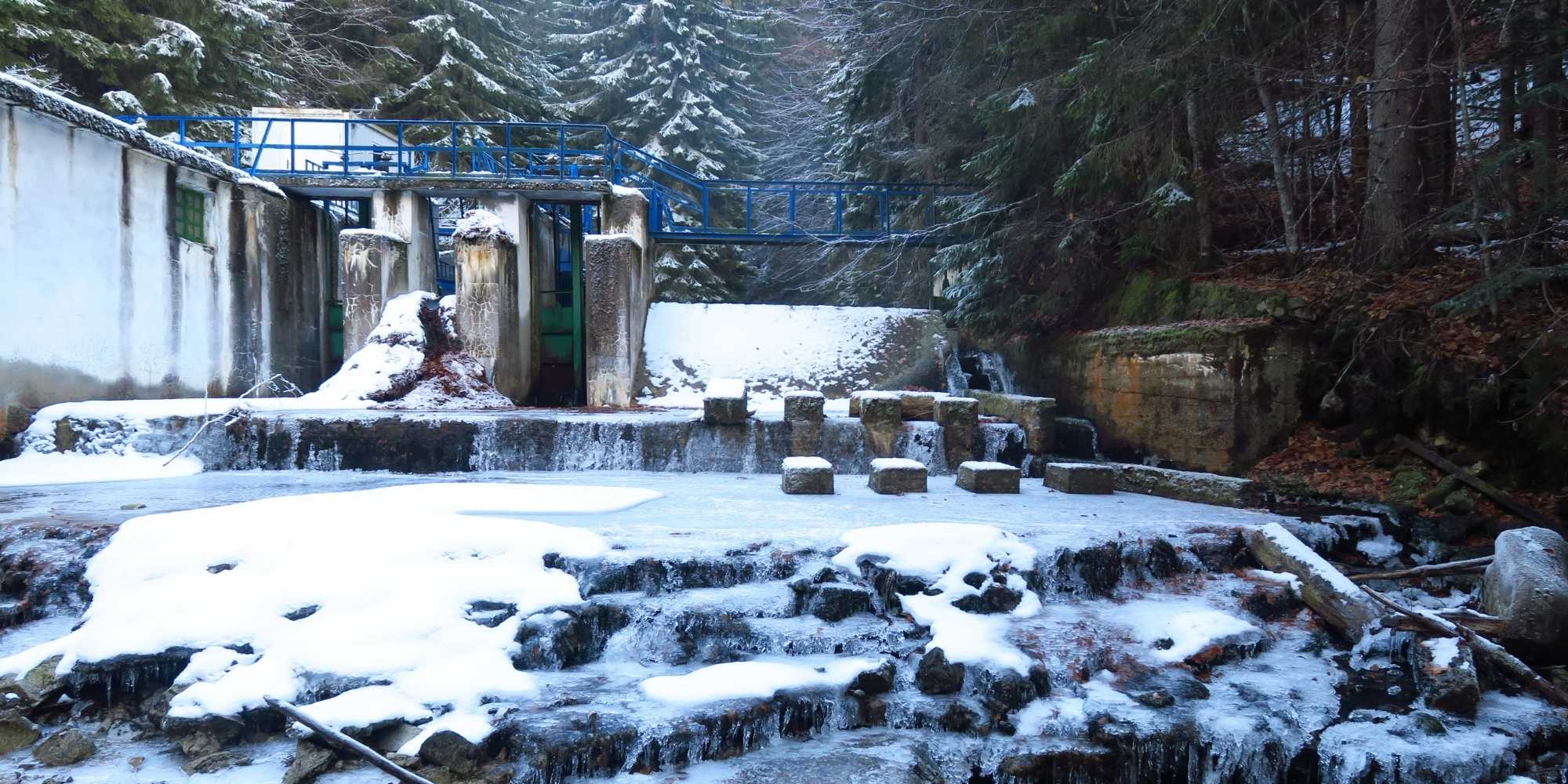
The Blagoevgradska Bistritsa hydropower cascade was planned to use only the drinking water of the town of Blagoevgrad. Eight years later, it has used more than double the water allowed, leaving the river ‘even without frogs’. Our latest report shows the need for more scrutiny of EIB and EBRD lending through intermediary banks.

Thanks to a strong push from the European Commission, Slovakia’s national recovery and resilience plan allocates nearly three billion euros for green, climate-friendly investments. The plan includes commendable aims to renovate buildings, pursue renewable energy sources, clean up dirty industries and develop more sustainable transport infrastructure.

