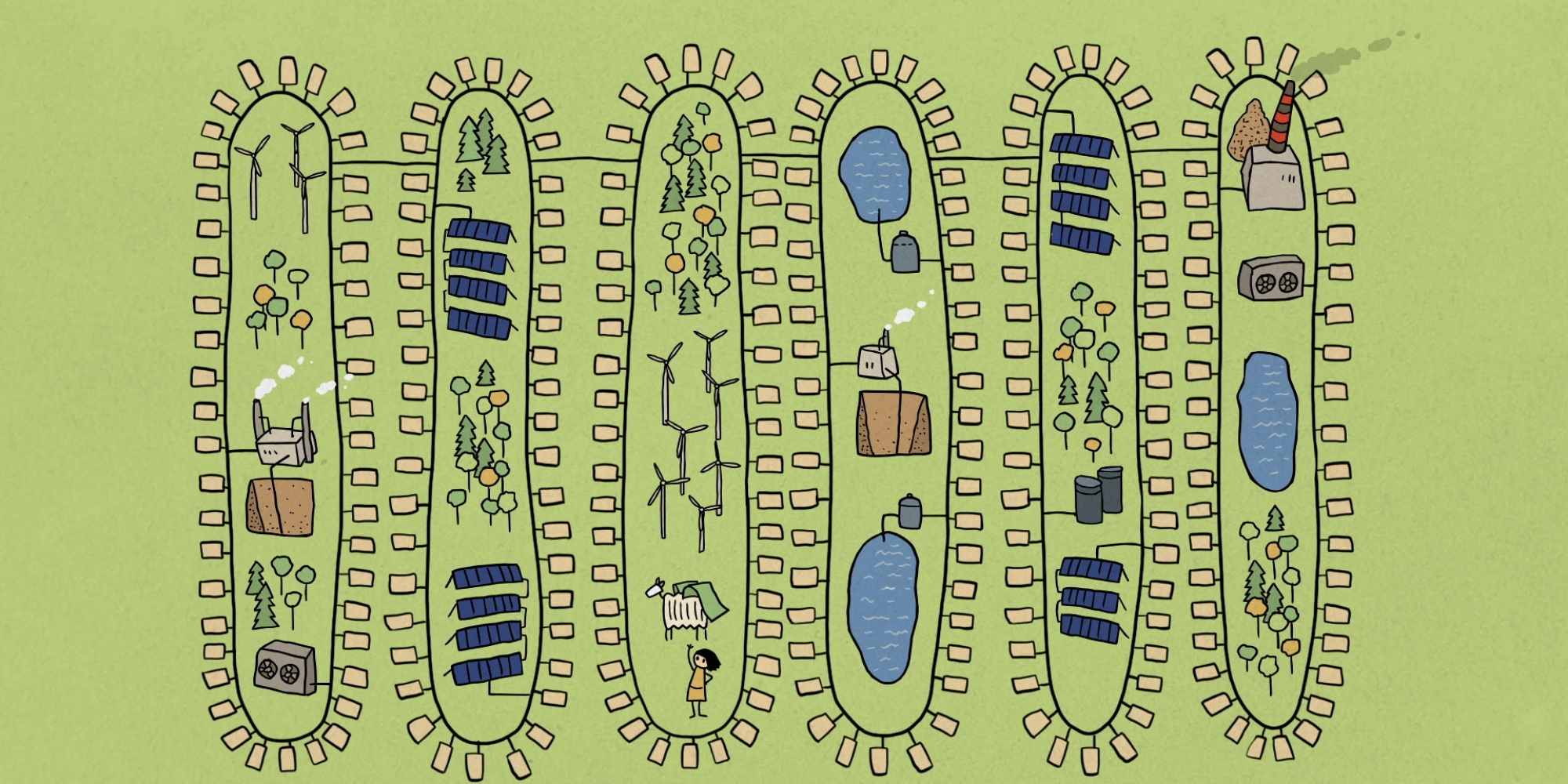
Heating in the region is still largely based on fossil fuels or wood, the district heating networks are in dire condition, and in poorly insulated buildings winter is not as cosy as it could be. Authorities across the Western Balkans need to pay much more attention to planning and implementing clean and modern heating solutions.

When courts help cloak export credit agencies’ financial clout
April 19, 2021 | Read more
Operating far from the public eye, export credit agencies offer state backing worth billions of dollars every year that in too many cases have enabled both the fossil fuels industry and human rights abuses around the world. These influential public finance institutions have also been relentless in resisting civil society legal challenges to shine a light on how they use public money.
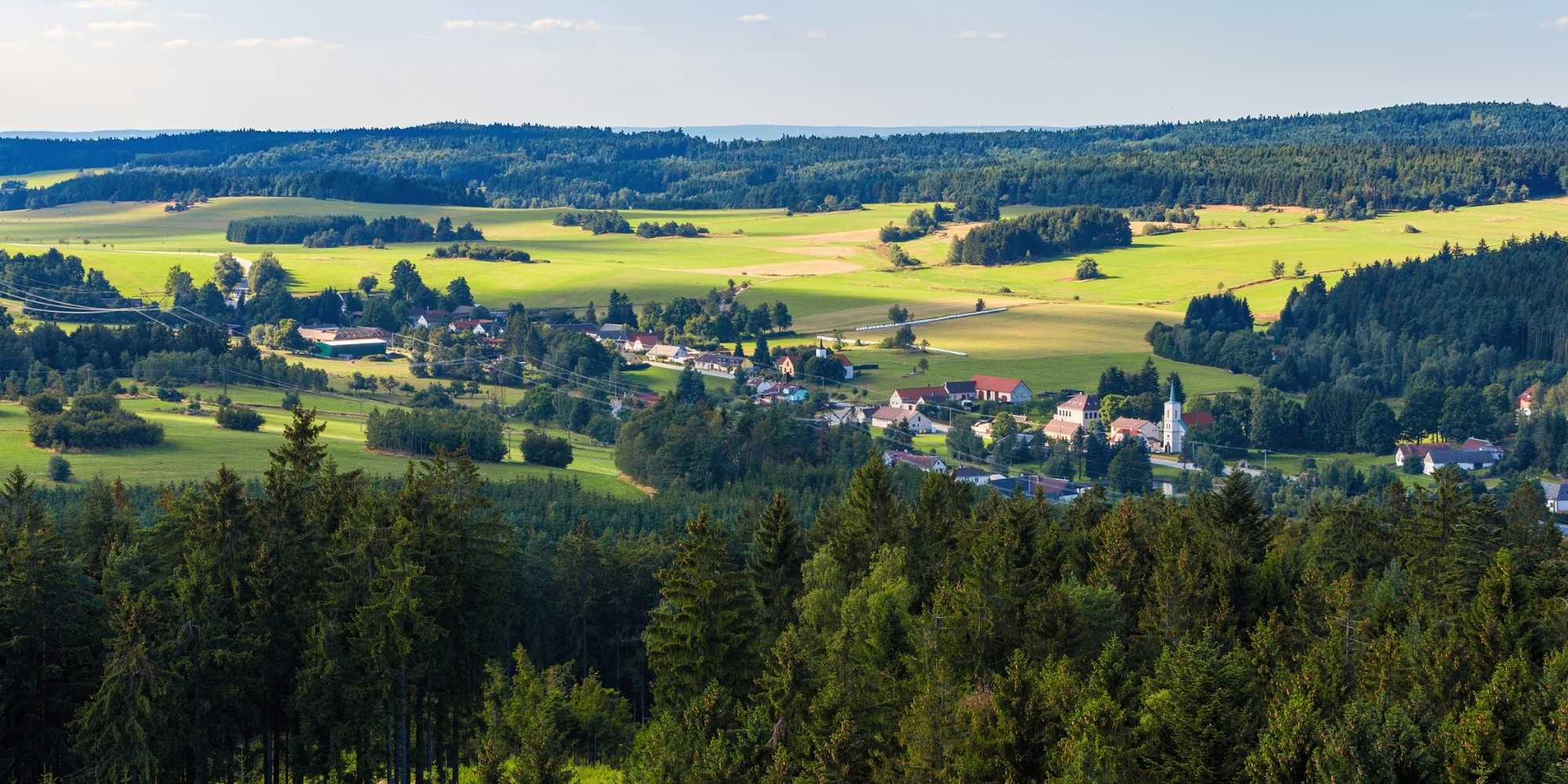
Thanks to pressure from civil society, several harmful investments in highways and gas infrastructure were taken out of the Czech recovery plan, pushing it towards more of a green recovery. Still, an almost complete lack of allocations for biodiversity and several questionable climate measures set the plan back.
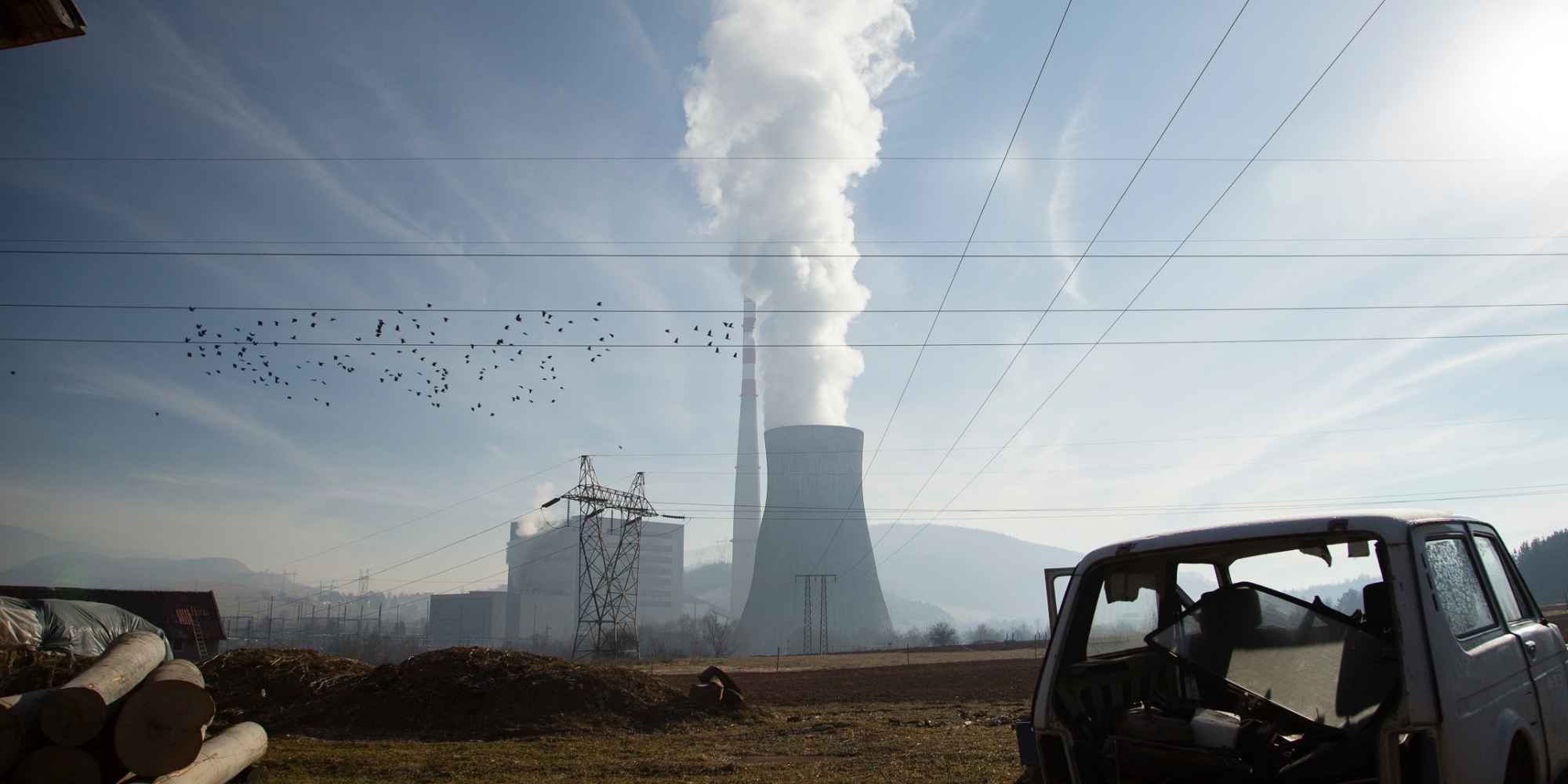
Montenegro has recently confirmed that its highly polluting Pljevlja coal plant has exceeded its allowed operating hours under the Energy Community Treaty, yet no moves have been made to close the plant. This threatens to create a worrying precedent if not tackled.
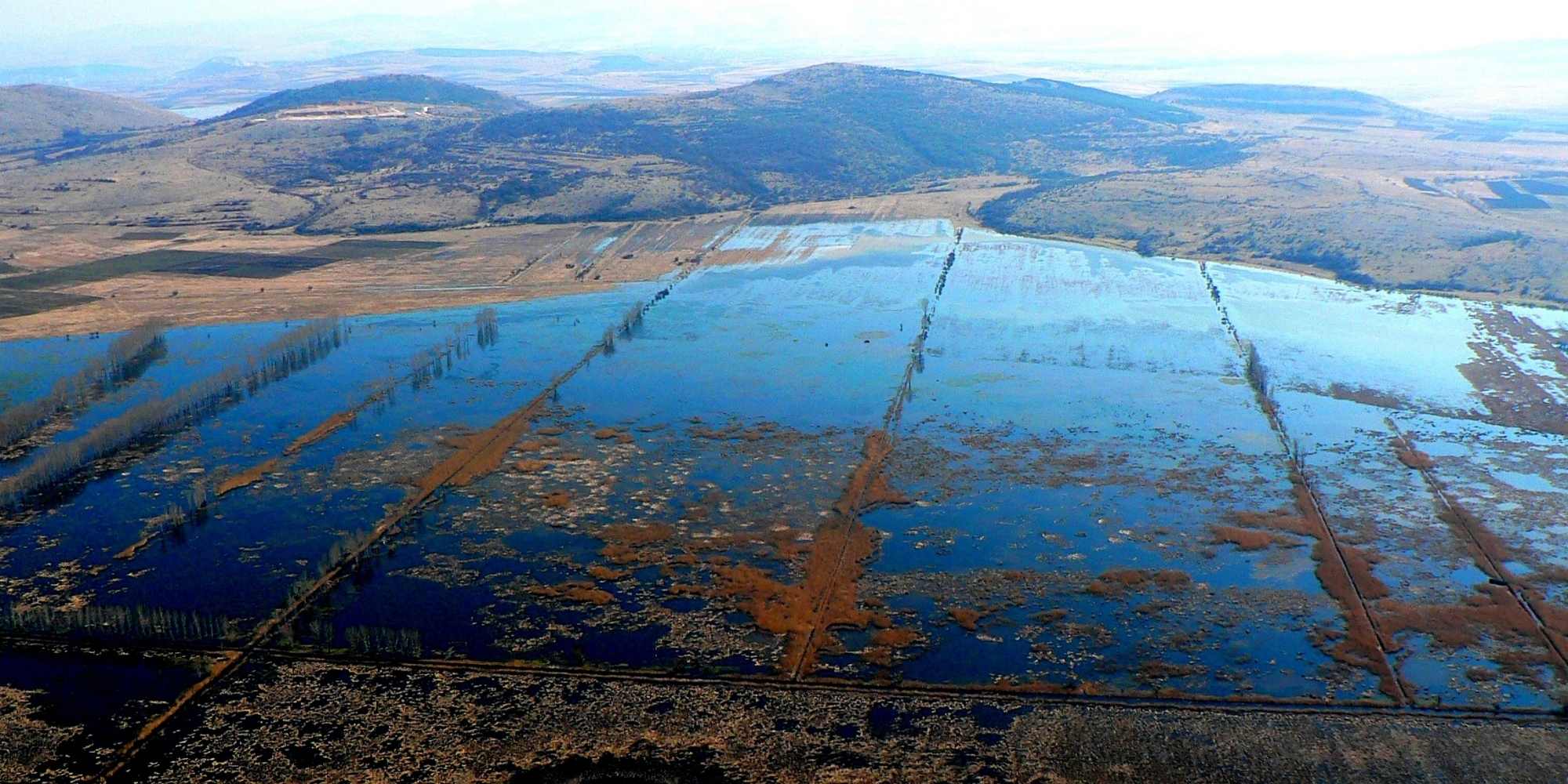
Instead of reforms, the country plans to rehab an irrigation system that can potentially destroy wetlands, and without transparency and public dialogue, the plan cements business-as-usual. With a 30 April deadline for submitting national recovery plans approaching and recent parliamentary elections, the Bulgarian government is failing to propose reforms and measures for biodiversity, sustainable agriculture and low carbon economy. Instead, actions such as rehabilitating state-owned irrigation systems not only contradict national strategies but might damage valuable wetland habitats. A lack of transparency and public dialogue casts a further shadow on the process.
The European Bank for Reconstruction and Development (EBRD) was created in 1991 at a unique moment in history: after the fall of the Berlin wall, the disintegration of the Soviet Union and the run-up for the Rio Earth Summit on Sustainable Development and the UN Framework Convention on Climate Change.

