The EBRD’s silent shale gas coup in Tunisia
Press release | 8 July, 2013Tunis — On 9 July the European Bank of Reconstruction and Development will decide on a USD 60 million loan to Serinus Energy for a project to develop four oil and gas fields in Tunisia, which is also likely to include drilling for shale gas. Twenty groups in Tunisia and Europe are calling on the EBRD to reject the loan or at least postpone the decision until further studies are prepared.
Read moreComplaint to EBRD highlights negative impact of mining on Mongolian herders
Press release | 4 July, 2013Ulaanbaatar, 04 July 2013. A group of Mongolian herders submitted today an official complaint to the Project Complaints Mechanism of the European Bank for Reconstruction and Development (EBRD), hoping to initiate a process of evaluation of the adverse impacts on their health and livelihoods of two mining projects financed by the international public lender.
Read more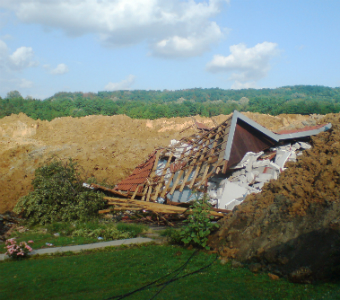
[Campaign update] Kolubara landslide: Images of devastation, people waiting for compensation
Blog entry | 3 July, 2013People in Junkovac (Serbia) are still waiting for information on how they will be compensated after a landslide connected to the Kolubara lignite mine has destroyed several houses and terrified the town one month ago.
Read moreNGO’s protest letter: Proper impact assessments must be minimum condition for EBRD loan involving “fracking” in Tunisia
Publication | 2 July, 2013A USD 60 million loan to Serinus Energy for a project that involves hydraulic fracturing (“fracking”) concessions in Tunisia is being currently considered by the EBRD. In this letter, Tunisian and European organisations urge the EBRD to reject the loan at the next Board meeting or to postpone the decision and undertake proper assessment of its impacts with in-depth consultations of the stakeholders.
Read moreInvest in haste, repent at leisure – Are IFIs behaving as if EU accession criteria and extreme energy losses do not exist in South East Europe?
Publication | 25 June, 2013South-eastern Europe is riddled with poor planning and corruption in the energy sector and its governments are proving slow to react to the challenges and opportunities offered by the decarbonisation agenda.
Read more
A tale of neglect: Energy finance figures from the Western Balkans
Blog entry | 25 June, 2013The neglect by international financial institutions of the Western Balkans sustainable energy potential will cost the region’s public heavily for years to come. Figures collected in a new study illustrate how the different international lenders perform in the region.
Read moreDevelopment banks energy investments jeopardise the ability of Balkan accession countries to meet EU energy and climate targets, says new report
Press release | 25 June, 2013Brussels, Belgium – Heavy investments in fossil fuels by international financial institutions (IFIs) in the Western Balkans are hindering these countries’ compliance with EU accession requirements, finds a new report – “Invest in Haste, Repent at Leisure” – from civil society organizations CEE Bankwatch Network, SEE Change Net and WWF, created as part of the SEE SEP (South East Europe Sustainable Energy Policy) programme.
Read more
Little impact of EU aid for Egypt – Ongoing abuses and Brussels scrutiny puts EBRD’s best laid plans in question
Blog entry | 24 June, 2013How is the European Bank for Reconstruction and Development able to justify a brand new host country agreement with Egypt, given the abuses still being endured in Egypt and the failure of one billion euros of EU money to improve the economic and human rights situation there?
Read more[Campaign update] Plomin project promoter not able to justify health risks of coal
Blog entry | 21 June, 2013Public discussions about the Plomin coal power plant’s health impacts show how both project promoters and public authorities prefer to ignore or play down uncomfortable arguments and evidence against the project.
Read more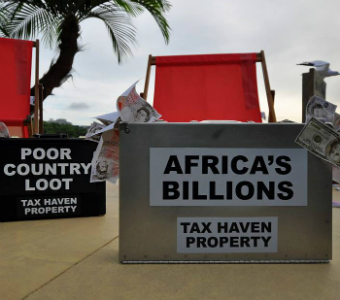
The G8, tax havens and the need to clean up our own “bank yard”
Blog entry | 18 June, 2013While the G8 leaders claim they are at war with tax avoidance, their own bank, the European Bank for Reconstruction and Development is involved in deals linked to offshore financial centres.
Read more
