
Future EU funds for the regions set to become climate-proof
Press release | 22 January, 2019Brussels, for immediate release – Today the European Parliament’s Committee on Regional Development (REGI) adopted the so-called Common Provisions Regulation, which sets the conditions and principles governing the funding for Cohesion Policy from 2021 to 2027. NGO groups CEE Bankwatch Network and Climate Action Network (CAN) Europe welcome the regulation, which exceeds the European Commission’s proposal by introducing new and additional safeguards against climate change.
Read more
Future EU investment package falls short of climate ambition
Press release | 16 January, 2019Strasbourg, Brussels – Today the European Parliament took a disappointing stance on climate when voting to approve the establishment of InvestEU, the EU’s financing tool to attract private investments – say NGO groups CEE Bankwatch Network, Climate Action Network (CAN) Europe, WWF European Policy Office, and Counter Balance. The approved investment package keeps the door open to further public investments in fossil fuels, which is incompatible with the requirements of the Paris Climate Agreement.
Read more
State of play with the energy transformation in Romania
Blog entry | 13 December, 2018Europe’s commitment to the Paris Agreement and the 2030 Agenda for Sustainable Development means that the EU must drive an energy transformation, but in Romania, inadequate financial support and a lack of political will still stand in the way of progress.
Read more
Challenges of communicating the energy transformation in Latvia [Video]
Blog entry | 12 December, 2018Renewable energy has gotten a bad rap in Latvia. Since the construction of hydroelectric power stations during the Soviet era to the recent installment of the first wind parks and the country’s feed-in tarrif system, the ‘mandatory procurement scheme,’ renewables have been used for nefarious purposes like fuelling populism during election campaigns.
Read more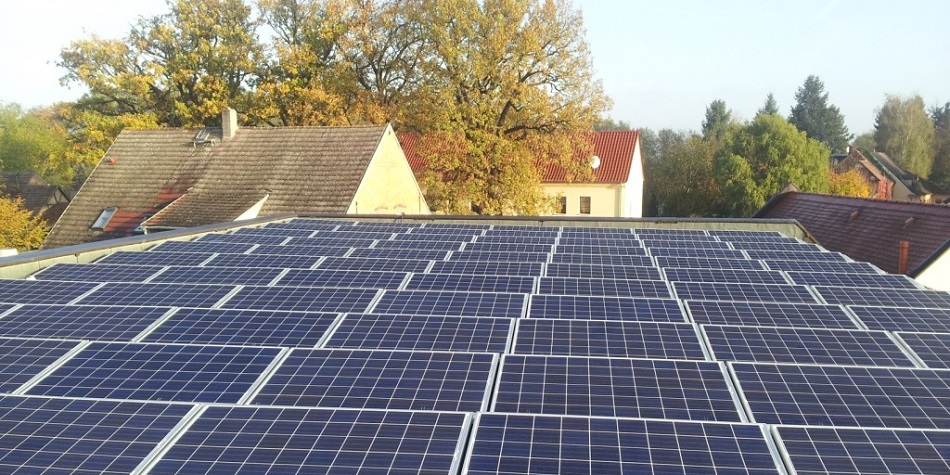
In Slovakia, a shining example of EU funds for renewables and families
Blog entry | 11 December, 2018There is a sad joke in Slovakia that the country could become a museum for renewable energy sources (RES). Not because the Slovak physicist Aurel Stodola invented in 1928 the world’s oldest heat pump that still powers Geneva’s city hall, but because of its antiquated energy policy that lacks systematic support for renewables at the local and national levels.
Read more
Eleventh hour for protected Kresna Gorge as Bulgaria presses on with destructive motorway
Blog entry | 28 November, 2018With construction advancing in Bulgaria’s Kresna gorge, discussion happening now at the Bern Convention in Strasbourg having taken on an increased sense of urgency.
Read more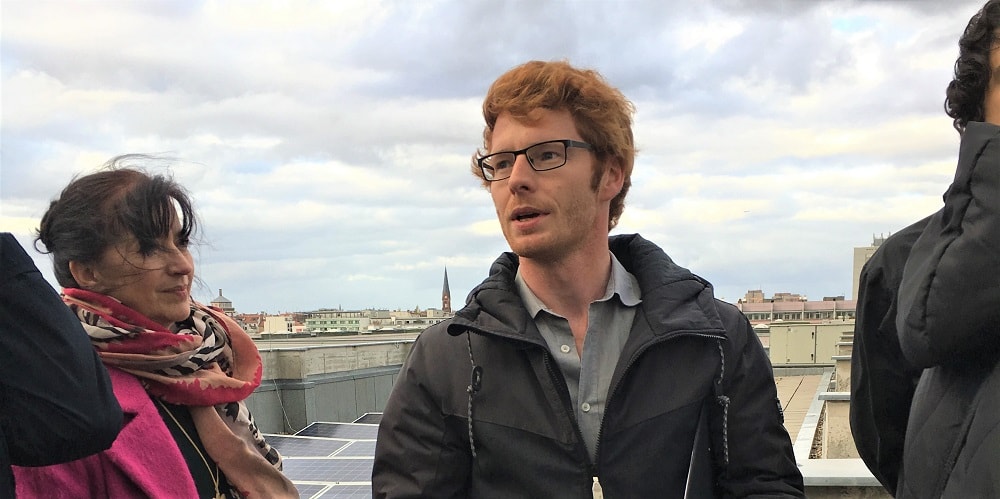
Lessons learned from Germany’s 20-year experiment in energy transformation
Blog entry | 19 November, 2018Germany pioneered broad support measures for renewable energy by the late 1990s. These measures, referred to as Energiewende or ‘energy transformation’, offer a valuable insight for other countries, which introduced support mechanisms for renewable energy later or have not done so yet.
Read more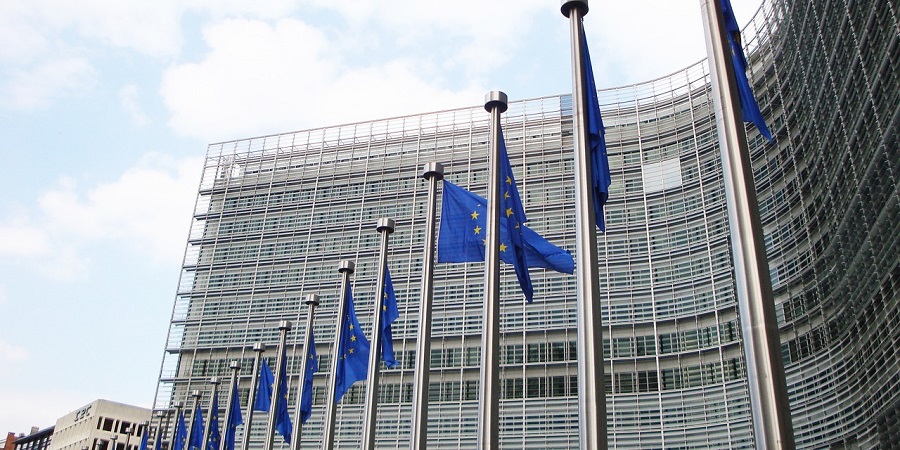
Strong Commission push for climate action in the next EU budget risks backslide in Parliament and Council
Press release | 31 October, 2018Today the Council of the EU is exchanging views on a key piece of the legislation that will govern the one trillion euro EU budget after 2020. While the Commission is proposing an ambitious target for climate spending, developments in the Parliament threaten this move.
Read more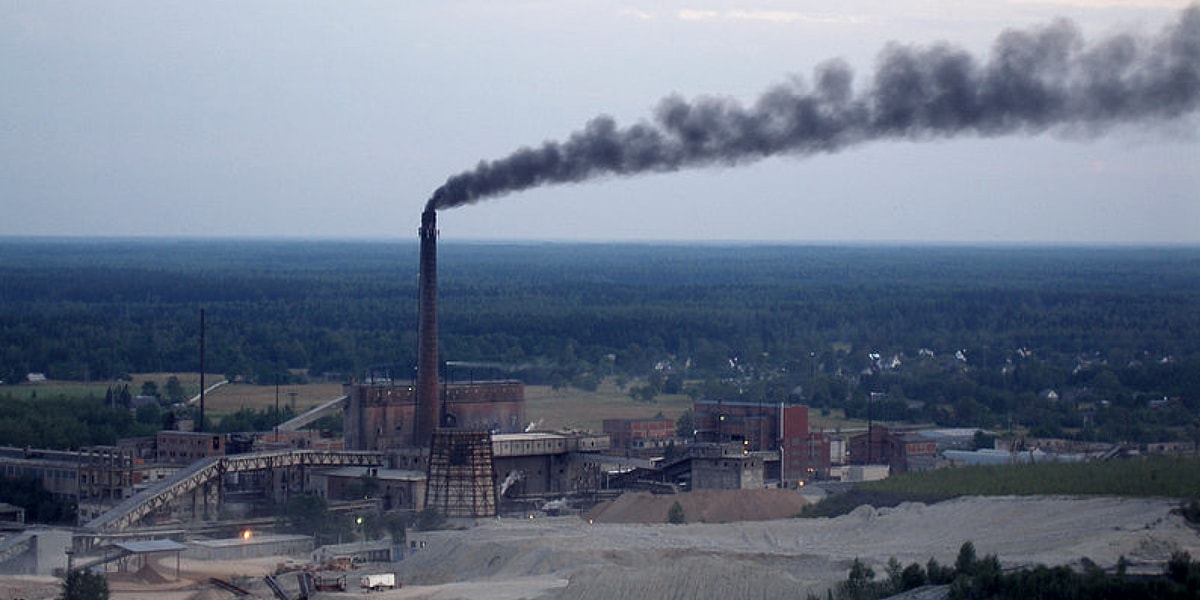
Estonia’s dirty secret
Blog entry | 25 July, 2018Estonia is the second largest emitter of CO2 per capita in the European Union and by far the most carbon-intensive economy among the OECD countries. The reason for that is oil shale, sedimentary rock that has been mined in Estonia for electricity generation since the fifties and, since recently, have also been used for liquid diesel fuel production.
Read more
First report from Parliament on next EU budget funding for energy and transport infrastructure shows more work to be done
Blog entry | 23 July, 2018On 19 July, two European Parliament Committees – on Industry, Research and Energy and Transport and Tourism – delivered their first draft report [1] outlining what they would like to see in the new Connecting Europe Facility, one part of the EU budget after 2020 that Bankwatch is monitoring because CEF provides funding for key pieces of energy and transportation infrastructure across the bloc.
Read more
