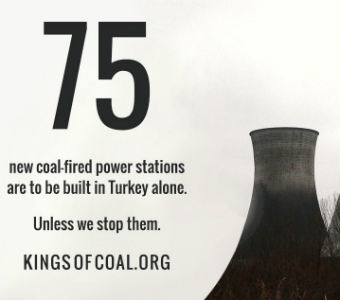
April 28, 2014 | Read more The SOCAR Refinery project and its ‘secret’ coal power plant show the magnitude of the problems that the mixture of business interests, coal and neglect of local health concerns may cause in Turkey.

April 16, 2014 | Read more One year after a landslide destroyed thirteen houses the Kolubara mining company continues to dump waste in the same area without information from its investigations forthcoming. Locals fear that more landslides may occur. Bankwatch member group CEKOR has now increased pressure on the company and the EBRD.
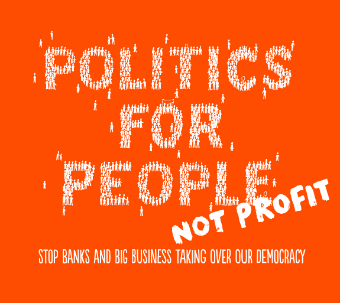
April 15, 2014 | Read more At the end of May the whole of Europe will be going to the ballot box for the 2014 European Parliament elections. But when the votes are counted and members-to-be (MEPs) take their place, who are they going to represent – people or profit? The Bankwatch supported campaign Politics for people asks them to take a pledge against the latter.
April 15, 2014 | Read more Today, the Alliance for Lobbying Transparency and Ethics Regulation (ALTER-EU), AK EUROPA (Brussels office of the Austrian Chamber of Labour) & ÖGB Europabüro (Brussels office of the Austrian Trade Union Federation), together with a broad coalition of civil society organisations from across Europe, are launching their campaign to urge candidates for the upcoming European elections to “stand-up for citizens and democracy against the excessive lobbying influence of banks and big business”.

April 15, 2014 | Read more On Thursday in Skopje, over 100 people attended the first public conference [mk] regarding the two planned hydropower plants in the Mavrovo National Park, one of the oldest and most valuable protected areas in the country. A petition to save the park that was launched one day earlier has already gathered over 13 000 signatures.
April 2, 2014 | Read more Brussels, April 2 — A series of at least five new lignite power plants planned in Western Balkan countries which aspire to European Union membership risk violating Energy Community pollution legislation before they even start generating electricity, warns a new legal briefing by EU-based legal organisation Frank Bold, published today.
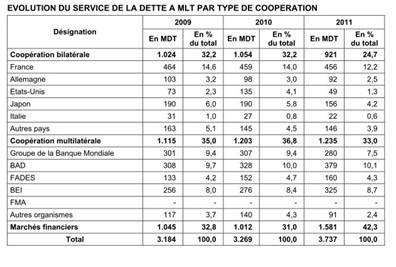
March 28, 2014 | Read more – MEPs to vote on new loan in April. – Tunisia is already paying more to its Western creditors than it receives in loans and grants, and almost all of the new loan would be used for debt repayments. Civil society groups from Tunisia and Europe are urging the European Parliament to concentrate on debt relief instead of voting through a EUR 300 million loan to Tunisia, arguing that this will only add to the country’s huge existing debt burden.
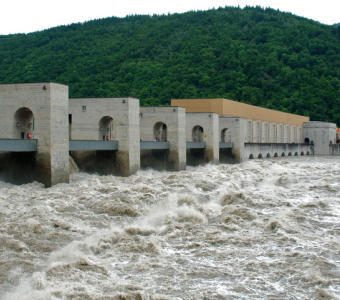
March 25, 2014 | Read more A highly problematic Danube dam project has found its way into the Slovak Operational Programme for the Cohesion Policy spending in the 2014-2020 period and has become a small scandal in the country.
March 20, 2014 | Read more As the EU Council tomorrow debates A framework for climate and energy in the period from 2020 to 2030, proposed by the European Commission, NGOs today called for much stronger environmental and climate commitments in the upcoming revised Treaty of Energy Community, which brings together the Western Balkan countries, Ukraine and Moldova, during a public hearing taking place in the European Parliament.
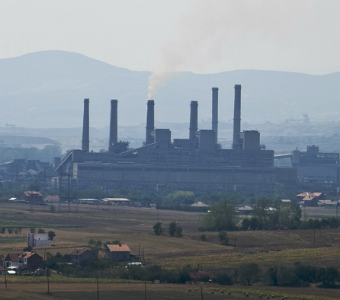
March 18, 2014 | Read more When it comes to Kosovo’s energy future, institution after institution has been putting most of its eggs in a ‘new lignite’ basket while some very reasonable alternative investment options seem to fall by the wayside.
Stay informed
Receive our monthly overviews of the latest developments on the ground.