
April 29, 2019 | Read more The 2019 winner of the Goldman Environmental Prize from Europe Ana Colovic Lesoska has today called on development banks – the European Bank for Reconstruction and Development (EBRD), the European Investment Bank (EIB), the Asian Development Bank and (ADB) the Asia Infrastructure Investment Bank (AIIB) – to drop their funding for the Nenskra hydropower project planned in Georgia’s Caucasus mountains.
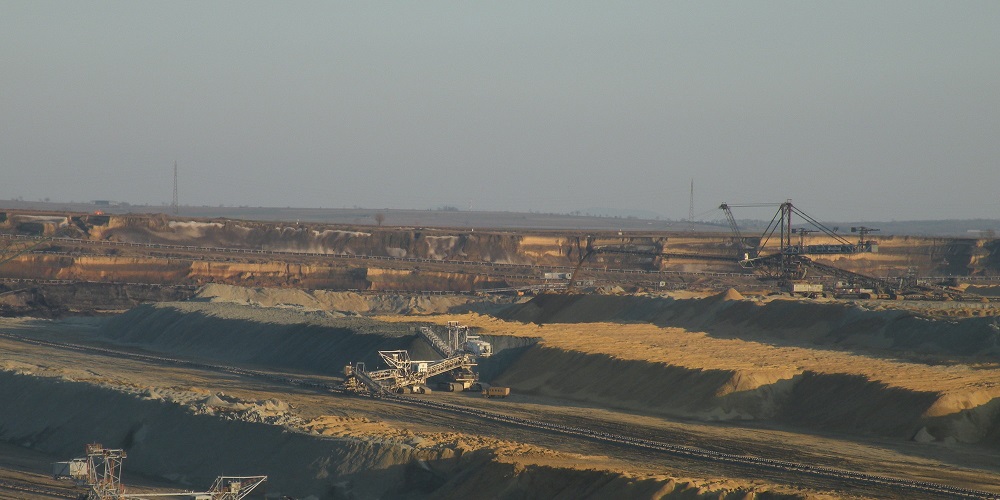
April 18, 2019 | Read more As the Board of Directors is expected to vote any day now on the renewed Policy which lays out the conditions for reaching the Bank’s sustainability mandate and commitment to EU standards, a compliance review on Serbia’s energy company’s corporate restructuring loan calls for clearer and stronger safeguards for corporate level loans.
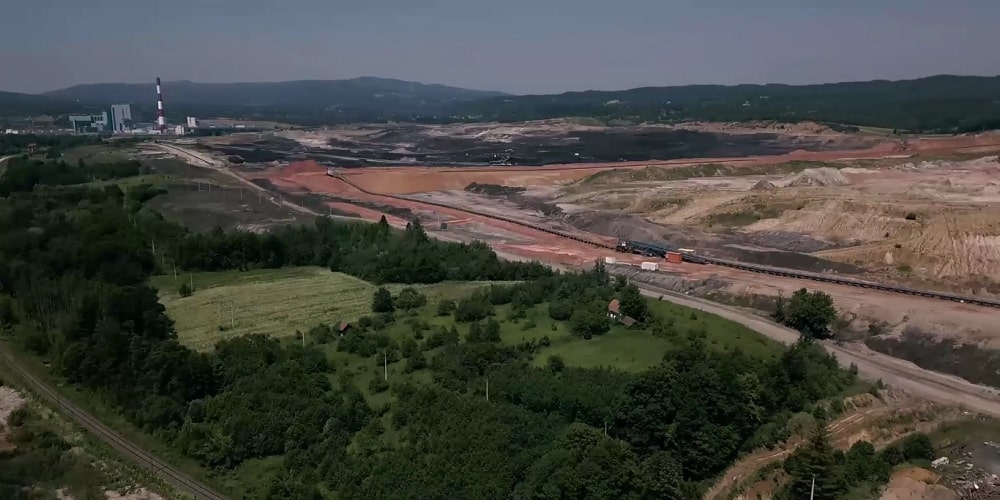
April 8, 2019 | Read more Brussels – With the EU-China summit kicking off in Brussels on April 9, Bankwatch launches a new analysis [1] showing 3.5 GW of new coal may be built in southeast Europe with Chinese support, including in EU member states Romania and Greece.
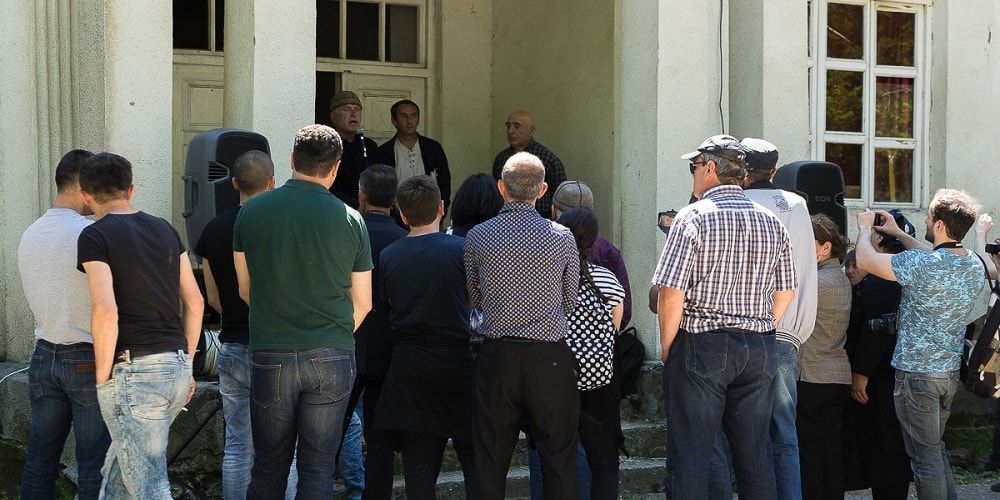
March 28, 2019 | Read more The European Bank for Reconstruction and Development (EBRD) will soon conclude the revision of three policies central to the environmental and social governance of its projects: the Access to Information Policy, Environmental and Social Policy, and Project Accountability Policy. Together, these three documents will form the core of the institution’s protocols ensuring communities’ right to information, right to development, and right to remedy.
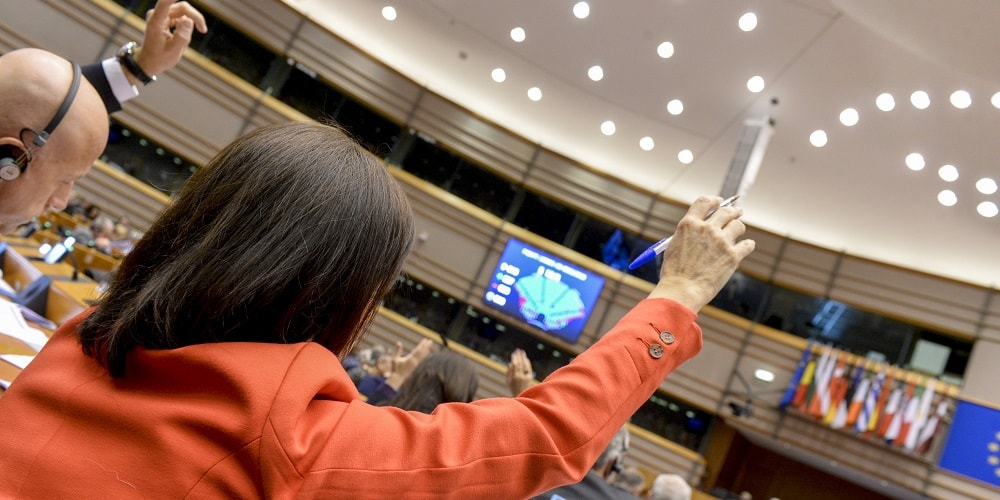
March 27, 2019 | Read more For immediate release. Brussels, Prague – A vote today by the Parliament has excluded fossil fuels from the EUR 320 billion European Regional Development Fund (ERDF) and Cohesion Funds for 2021-2027, signalling a clear commitment to the EU’s obligations to reduce greenhouse gases under the Paris Agreement and its net-zero emissions Long Term Strategy.
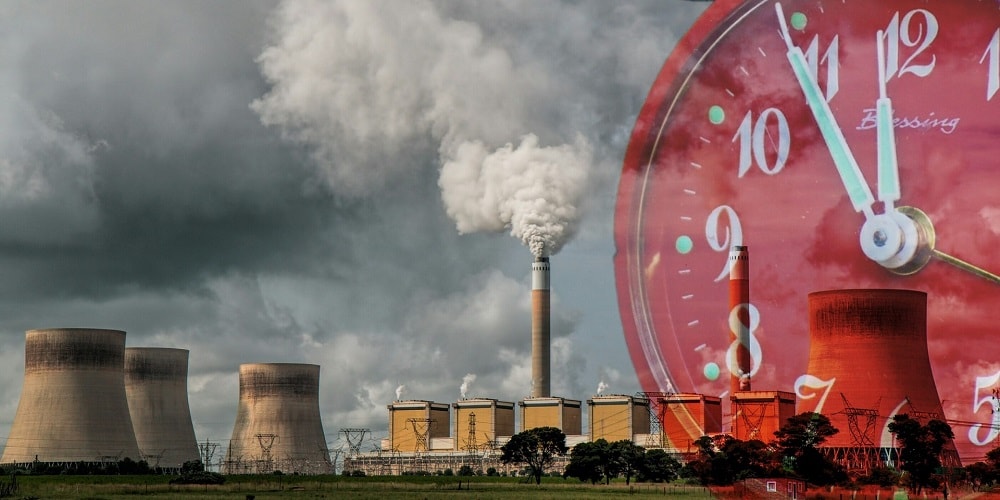
March 27, 2019 | Read more As the European Investment Bank (EIB) is nowadays preparing a new Energy Lending Policy to guide its investment in energy projects, it seems the world’s largest public lender is not willing to acknowledge its contribution to climate change, the biggest crisis currently facing humanity.
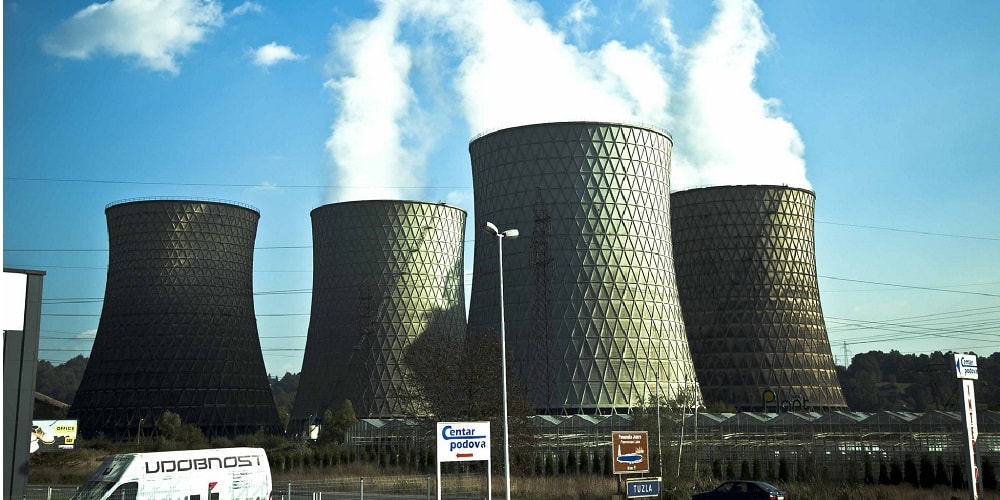
March 26, 2019 | Read more The Energy Community Secretariat has today announced that it is officially opening a dispute settlement procedure on the planned Federal guarantee for a EUR 614 loan from the China Eximbank to build the Tuzla 7 coal power plant in Bosnia-Herzegovina.[1] The procedure can potentially lead to delays in the EU accession process and temporary suspension of financing by EU banks.
March 26, 2019 | Read more BankTrack’s study finds that client confidentiality is not an absolute legal requirement in any of the world’s major banking centres. Banks can – and do – include the right to disclose information into their contracts. Will the EIB & EBRD acknowledge this in their policies on intermediated lending?
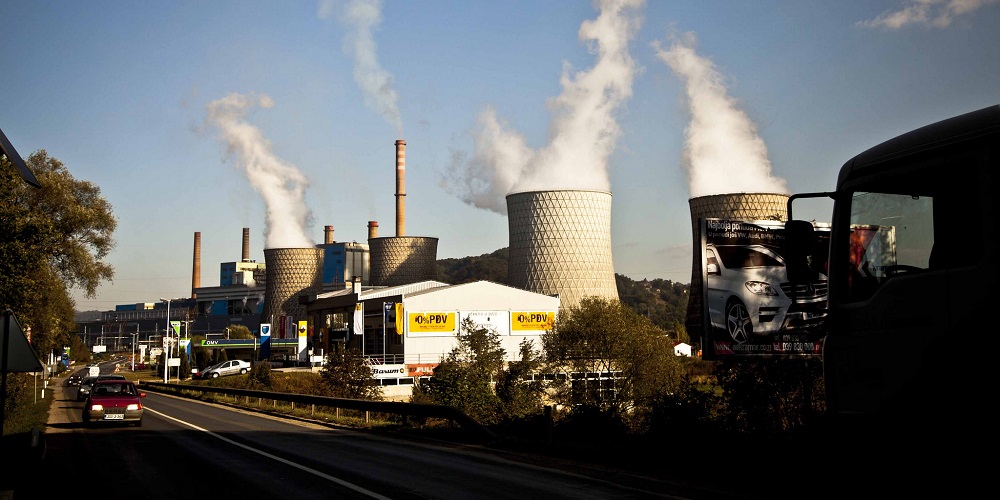
March 25, 2019 | Read more For immediate release. Energy Community countries propped up coal mining and electricity generation with direct and indirect public subsidies totalling at least 2.4 billion annually, out of which around half were provided by Western Balkan countries, shows a study (1) released today by the Vienna-based Secretariat of the Energy Community Treaty, the international treaty working to integrate the energy markets of the EU with those of its neighbours.
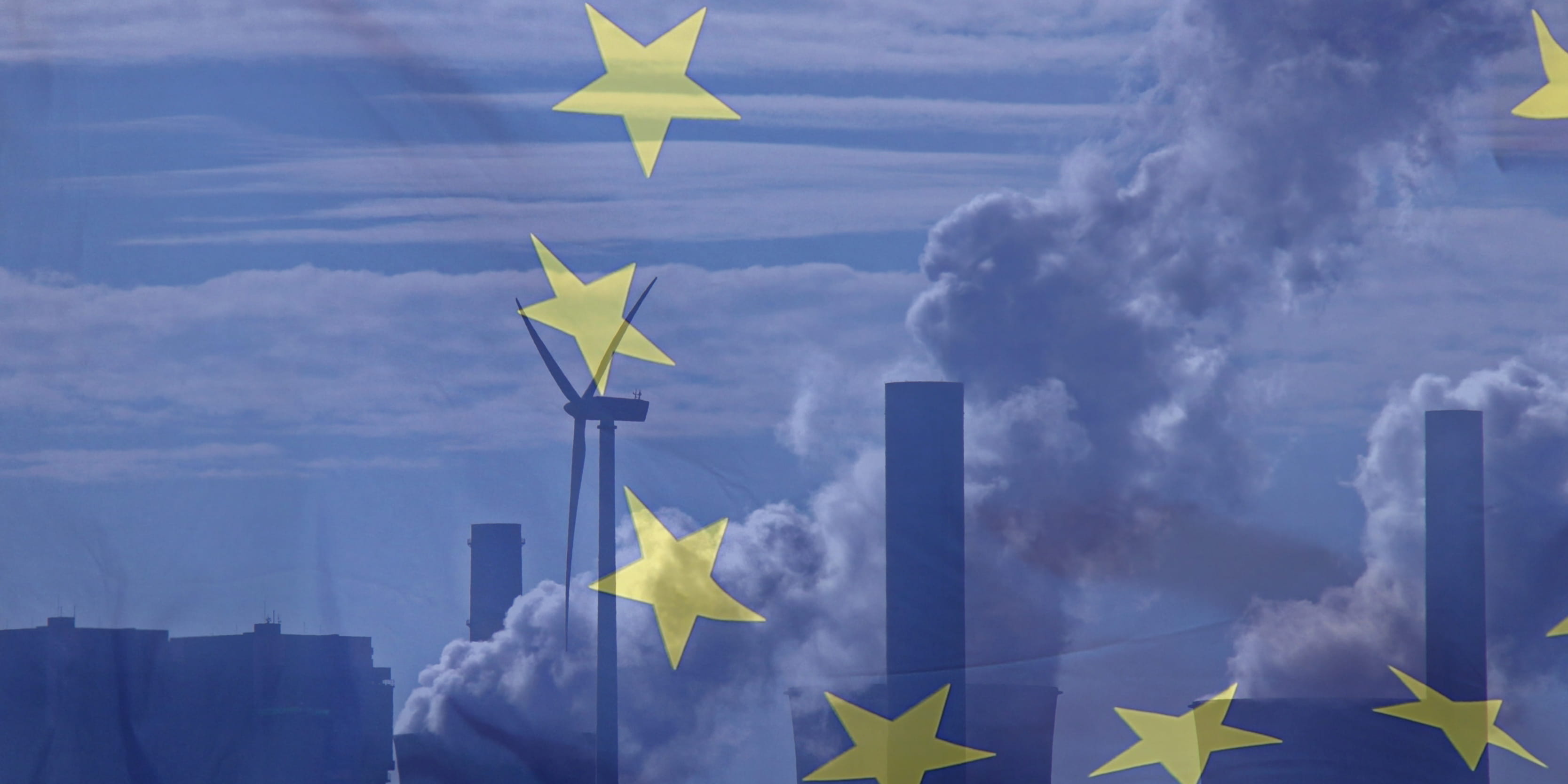
March 22, 2019 | Read more Member States across central and eastern Europe continue to do less than their fair share in setting the course for the EU to meet its long-term energy and climate commitments, finds a new Bankwatch analysis [1] of the national energy and climate plans (NECP) in eight Member States.
Stay informed
Receive our monthly overviews of the latest developments on the ground.

