Boskov most hydropower plant, North Macedonia
Boskov Most was one of 18 hydropower greenfield projects planned by the North Macedonian government in the Mavrovo National Park. After five years of campaigning, we convinced the European Bank for Reconstruction and Development about the folly of this project and to cancel its EUR 65 million loan. Without its major source of funding, the project lost steam and was discontinued.
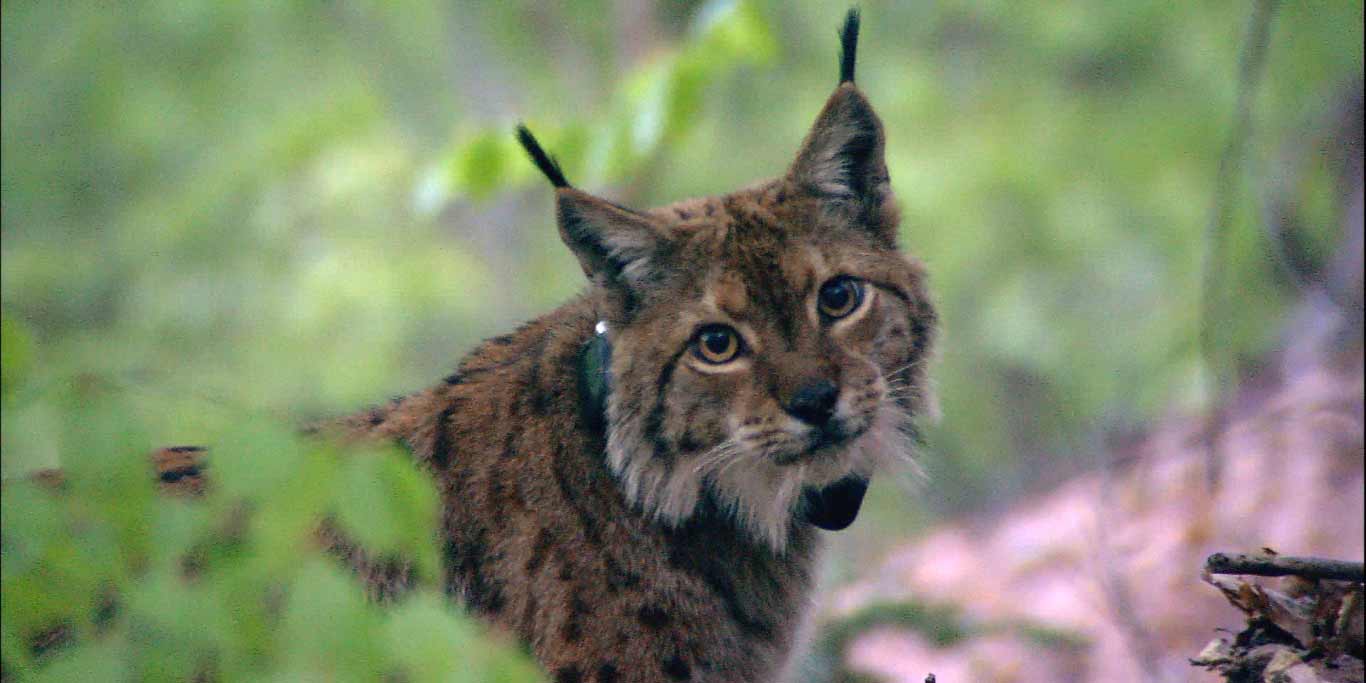
Hydropower development in Mavrovo threatened already critically endangered Balkan Lynx. Photo: Dime Melovski ©
Stay informed
We closely follow international public finance and bring critical updates from the ground.
Background
The Boskov Most HPP was planned to enhance domestic electricity supply, but if it had been built, it would have done so at a devastating cost to the environment.
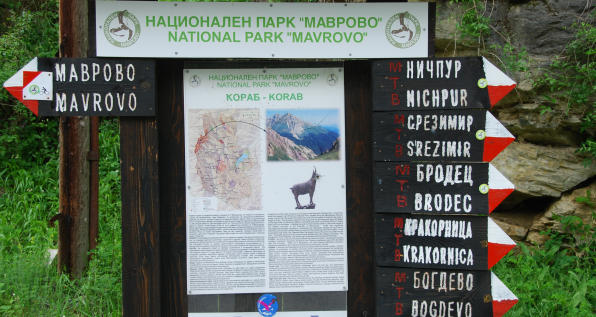
The project involved the construction of a 68 MW hydropower plant, reservoir and a 33-meter-high accumulation dam in one of Europe’s oldest national parks at Mavrovo.
Mavrovo is a protected area renowned for its beech forests, alpine meadows, pristine rivers and streams. It hosts a vast number of unique species, including the critically-endangered Balkan Lynx.
“National parks are areas set aside to protect large-scale ecosystems from human interference. As such, they are absolute no-go areas for large-scale dams or any other destructive forms of land use.”
Letter of concern over the Boskov Most HPP from scientists to the EBRD
The Boskov most camaign wins the Goldman prize
Ana Colovic Lesoska has been awarded the 2019 Goldman Environmental Prize for Europe for leading this multi-year ampaign in Mavrovo. Given annually to environmental heroes from around the world, the Goldman honors the achievements and leadership of grassroots environmental activists globally.
FEATURED
Gross underestimation of costs
The state owned electric power utility AD Elektrani na Makedonija (ELEM) backed the project with the support of international public finance.
In 2011 the European Bank for Reconstruction and Development (EBRD) pledged a EUR 65 million loan and a EUR 18 million equity investment in ELEM, before finally pulling out in 2017.
In addition to the EBRD’s financing for Boskov Most, the World Bank considered a USD 70 million support for the Lukovo Pole hydropower plant.
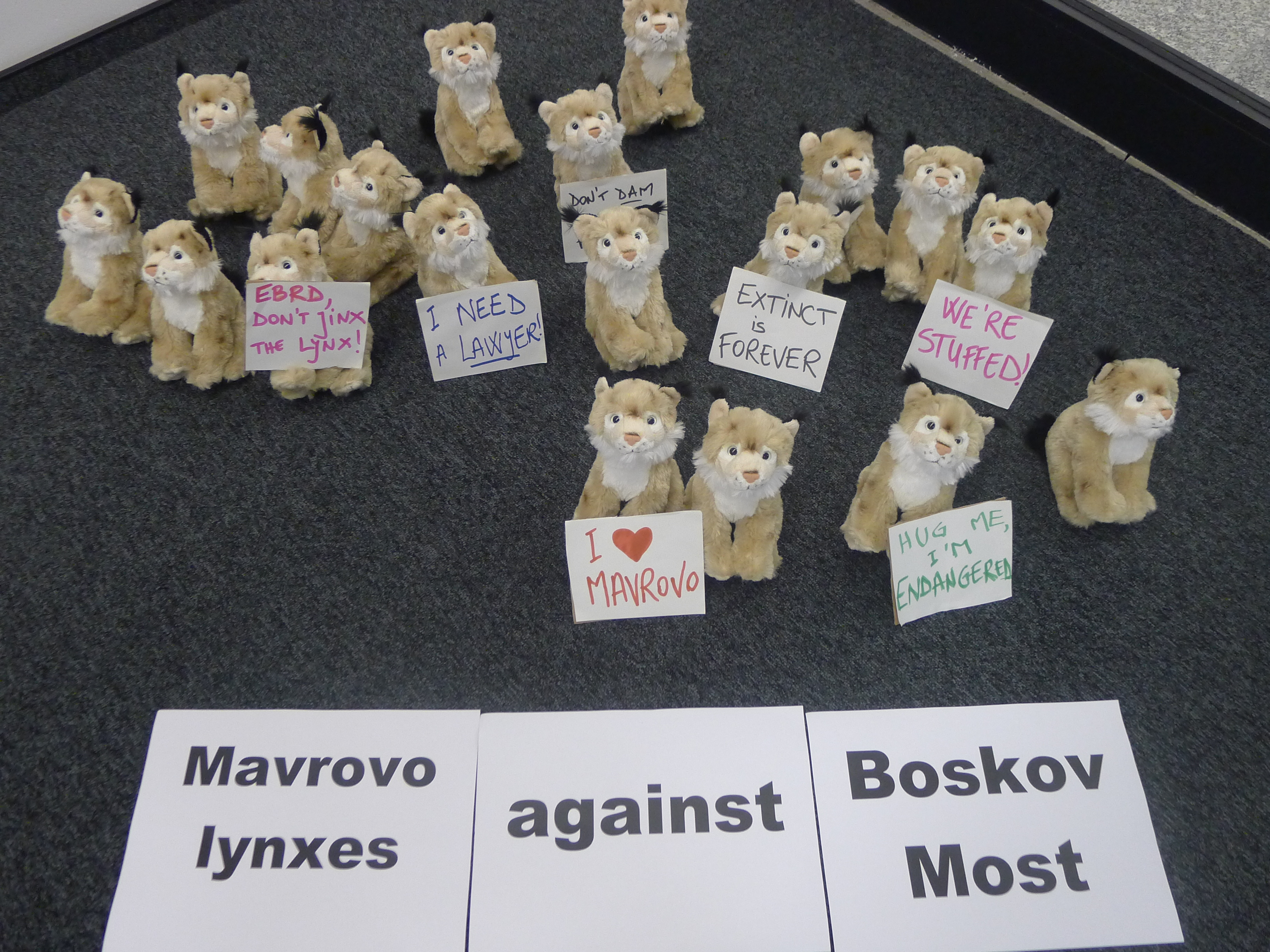
Nearly 200 internationally renowned scientists opposed the project in an open letter to the EBRD, and 100 000 people signed a petition against the project.
In total, an area of 4 400 hectares of natural habitats would have been directly affected by the Lukovo Pole and Boskov Most projects.
Independent reviews flagged incompliance
The EBRD’s involvement in the project was an insufficient guarantee of sustainable planning. In January 2014, after a complaint from Eko-svest in 2011, an independent review found that the bank failed to adequately assess impacts to biodiversity.
In addition, the Bern Convention, which oversees nature conservation in Europe, decided to examine whether North Macedonia had made the necessary efforts to protect wild flora and fauna when planning hydropower projects in Mavrovo. It concluded that Boskov Most and other planned hydropower projects in the park would have violated national and European nature protection legislation, which bans the development of this infrastructure in habitats with high ecological status.
The beginning of the end
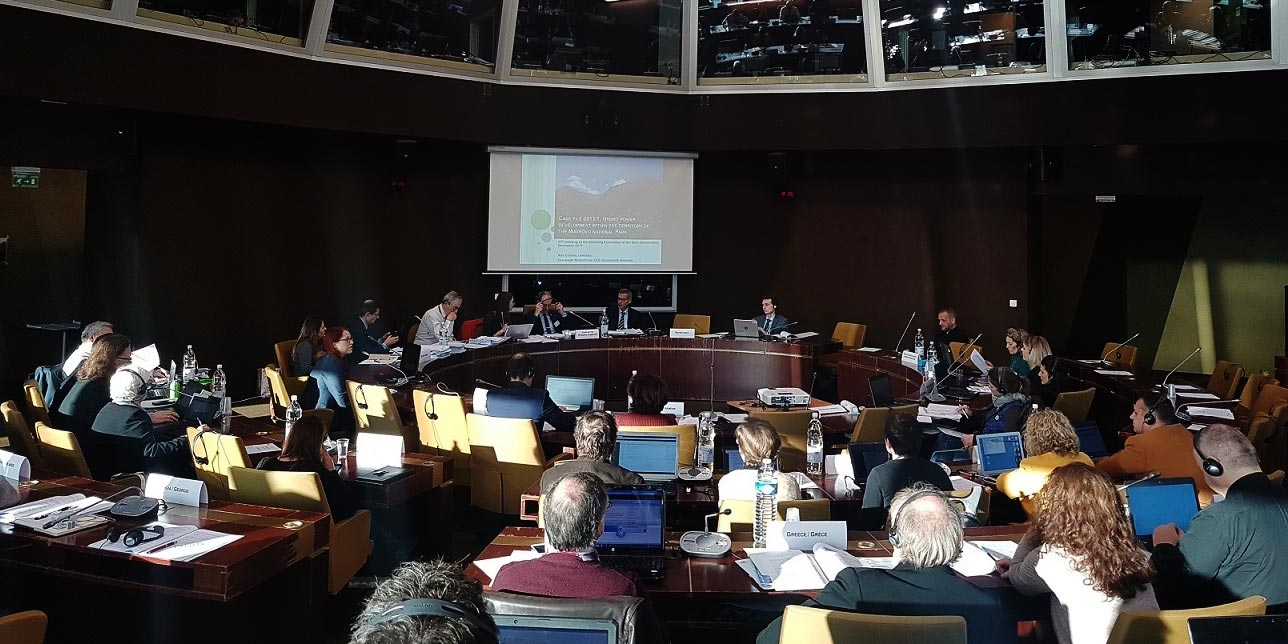
In 2015, the Standing Committee of the Bern Convention called on the North Macedonian government to stop all construction projects inside the national park and to conduct an extensive environmental impact assessment.
Just a few days after the Bern Convention decision and following protests in front of its offices across the world, the World Bank withdrew its funds from the Lukovo Pole project.
At the time, the EBRD suspended its loan, stating the Bern Convention’s recommendation. A year later, it canceled its loan for Boškov Most as well.
The hydropower folly dealt a final decisive blow when the North Macedonia’s government removed both the Boskov Most and Lukovo Pole projects from the strategic documents for the energy development of the country.
Latest news
The damage from Slovenia’s Mokrice dam won’t stop at the Croatian border
Story | 27 May, 2026Slovenia’s state-owned Hidroelektrarne na Spodnji Savi (HESS) has for two decades been trying to build the controversial Mokrice hydropower plant on the river Sava. But poor quality environmental studies have been repeatedly quashed in court by the Slovenian Native Fish Society, and a recent transboundary assessment’s claims that the impacts will stop at the Croatian border are far from convincing.
Read moreObstacles pile up for the Dabar hydropower plant in Bosnia and Herzegovina: Time to rethink the whole Upper Horizons complex
Story | 14 May, 2026When the Republika Srpska authorities signed contracts with the China Eximbank to finance the Dabar hydropower plant at the end of 2021, it seemed like the first and largest part of the Upper Horizons complex was a done deal. Today, more than four years later, obstacles are piling up for this controversial project, providing a much-needed opportunity to rethink the whole idea.
Read moreDon’t look, don’t find: Buk Bijela’s ‘environmental impact assessment’
Story | 2 March, 2026Bosnia and Herzegovina’s Upper Drina hydropower scheme would turn 30 kilometres of this iconic river into stagnant reservoirs and cut a key Danube Salmon habitat into pieces. Its largest dam would be the 118-megawatt Buk Bijela, first proposed in the 1970s but repeatedly scuppered due to its impact on Montenegro’s Tara Canyon. Now a new environmental assessment is out for public consultation, but it’s being more than economical with the truth.
Read moreRelated publications
Declaration of local community in Kaishi to cancel contract for Georgian Khudoni dam
Advocacy letter | 9 March, 2016 | Download PDFIn this declaration, the community of Khaishi, a village in the mountains in north west Georgia, called for a the cancellation of the contract for the construction of the 700MW Khudoni dam. Khaishi residents demand the recognition of customary land rights and the inclusion of Svans into the decision-making over the project.
Briefing on Nenskra hydropower plant for the European Investment Bank
Briefing | 25 February, 2016 | Download PDFThe European Investment Bank (EIB) is in the early stage of assessing a loan for the 280 megawatt Nenskra hydropower plant, located on the Nenskra and Nakra rivers in the Caucasus mountain valleys inhabited by ethnic Svans. The poor quality assessment of the project, together with the neglect of the opinion of locals, threatens to aggravate the fading public acceptance of hydropower. With this project, the EIB and other potential international financiers have a chance to insist on changes to the imprudent course hydropower developments have taken in Georgia and to request tighter environmental and social regulations.
Nenskra hydropower plant, Georgia
Briefing | 2 February, 2016 | Download PDFFor the last decade, the government of Georgia has promoted hydropower as a way of tackling energy security and turning the country into a regional energy player. The EBRD has been one of the key catalysts of this hydro boom. Yet the presence of the EBRD and other international financial institutions has not been enough to ensure the development of comprehensive energy strategies, robust project assessments and meaningful public consultations. The potential for social and environmental problems is therefore prevalent. The Nenskra hydropower plant is yet another project that lacks the proper assessment and has failed to gain acceptance from the local communities.

