Protecting rivers and communities in southeast Europe
Southeast European governments are pushing a wave of hydropower projects that are damaging pristine rivers, including in protected areas. Over more than a decade, together with our partners we’ve successfully steered European public financing towards more sustainable solutions in the region. But plenty of plans remain, particularly large dams.
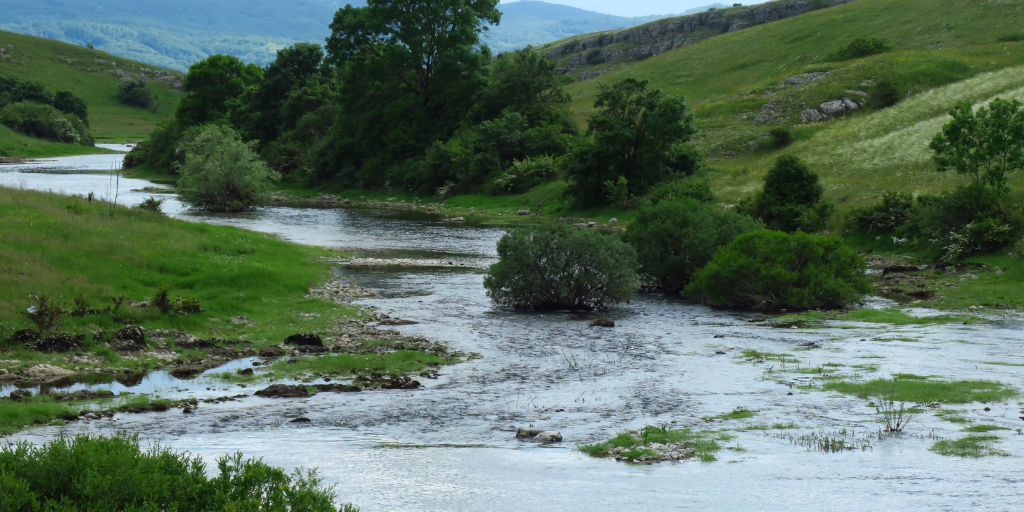
The Zalomka river in Bosnia and Herzegovina would be dammed by the Dabar hydropower plant
Stay informed
We closely follow international public finance and bring critical updates from the ground.
Key facts
- Large dams have long been part of the region’s energy mix, but in the last 20 years, a wave of small hydropower plants has been built, mainly by private companies driven by renewable energy incentives.
- Although much smaller, the cumulative impact of these plants is ‘death by 1000 cuts’, as they are usually built in the most remote, pristine environments. They caused widespread public resistance across the region, which stopped many projects.
- Our 2015 and 2018 research revealed that the EBRD, EIB and World Bank Group, had been more involved than was initially apparent. In 2018 we identified EUR 727 million in support for 82 hydropower plants across southeast Europe since 2005.
Key issues
- Most hydropower projects in the region have been small ones, supported by commercial banks, sometimes channelling EBRD or EIB money. These loans are kept secret due to ‘commercial confidentiality’.
- After Bankwatch uncovered the impacts of EBRD and EIB hydropower financing in southeast Europe, and campaigned for improvements together with partners like EuroNatur, RiverWatch and Patagonia, in 2019 the banks tightened their standards.
- Due to changes in subsidies rules and public outcry, the wave of small hydropower plants has slowed down – though not yet stopped. But many highly damaging large dam projects remain. Some have no funding secured, but others are financed by the China Eximbank or other opaque institutions.
Background
In the last 25 years southeast Europe has suffered from a wave of hydropower projects.
Bulgaria moved fastest to hand out concessions on small rivers and streams in the late 1990s and early 2000s and was then joined by others. Albania has been the most active in this regard, awarding concessions and approvals for at least 714 hydropower plants since 2002.
The negative social and environmental consequences in Bulgaria and Albania unfortunately did not cause other countries in the region to learn from their experiences. All countries have at various points offered generous feed-in tariffs to hydropower project developers, thus incentivising the construction of plants that would otherwise not be worth building. This led to an upsurge in construction from about 2012 onwards, which in turn led to increasing public resistance.
This was successful in stopping many plants, and under pressure from the public, the EU and the Energy Community Secretariat, the countries have gradually changed their renewable energy incentive rules to either phase out feed-in tariffs completely or limit them to the very smallest plants, in line with EU State aid rules.
While a consensus is gradually emerging in the region that small hydropower is too damaging compared to its disappointing energy output, governments are continuing apace with plans for larger hydropower plants, many of which have been planned for decades.
As the EIB and EBRD have rightly become more cautious about financing hydropower in southeast Europe, due to its increasingly poor economics, environmental and social damage and climate change vulnerability, governments are increasingly looking to companies and banks from further afield, often with low transparency, environmental and social standards.
For example, the China Eximbank is financing a series of plants on the Bistrica river and the Dabar plant, part of the Upper Horizons complex, both in Republika Srpska, Bosnia and Herzegovina. Other major controversial projects such as Buk Bijela in Bosnia and Herzegovina, Komarnica in Montenegro, and Skavica in Albania, remain without financing for now. These plants can still be stopped with enough public outcry and legal challenges. The EU also needs to do more to ensure environmental law is followed in all southeast European countries, both EU Member States and accession countries.
River Helpdesk
Are you trying to protect a river from hydropower or other destructive projects?
Do you need help and advice on preventing financing for the project and/or using international complaint mechanisms?
Do you need to reach the right people in the right places?
Apply for support from our River Helpdesk: helpdesk[at]bankwatch.org
Recommendations
Multilateral development banks
Establish clear no-go zones in protected areas and rivers of outstanding quality, as outlined at banksandbiodiversity.org.
Ensure all projects comply with EU law and take responsibility for project assessment, including for projects carried out via intermediaries.
Pay increased attention to the issue of corruption and politically exposed persons’ involvement in hydropower plant projects.
The European Commission and Energy Community
Prioritise energy efficiency and diversification of renewable energy sources in the region.
Provide increased assistance to countries in completing the transposition and implementation of the Birds and Habitats Directives and Water Framework Directive and in researching baseline biodiversity, hydrology and water quality in the countries.
Refrain from endorsing any greenfield hydropower projects as priority investment projects until environmental governance in the region is significantly improved.
Pay more attention to inappropriate hydropower development and state aid when assessing accession countries’ progress towards the EU.
Governments in the region
Take climate vulnerability into account and shift renewable energy plans to prioritise energy savings and appropriately-sited solar and wind potential.
Adopt system-scale planning on the river basin level for decision-making on hydropower and do more to resolve conflicts with nature protection in spatial plans.
Establish clear no-go zones in protected areas and rivers of outstanding quality.
Complete transposition and implementation of the Birds, Habitats and Water Framework Directive. Improve the quality of environmental impact assessments and carry out Appropriate Assessments and Article 4(7) assessments where needed.
Related projects
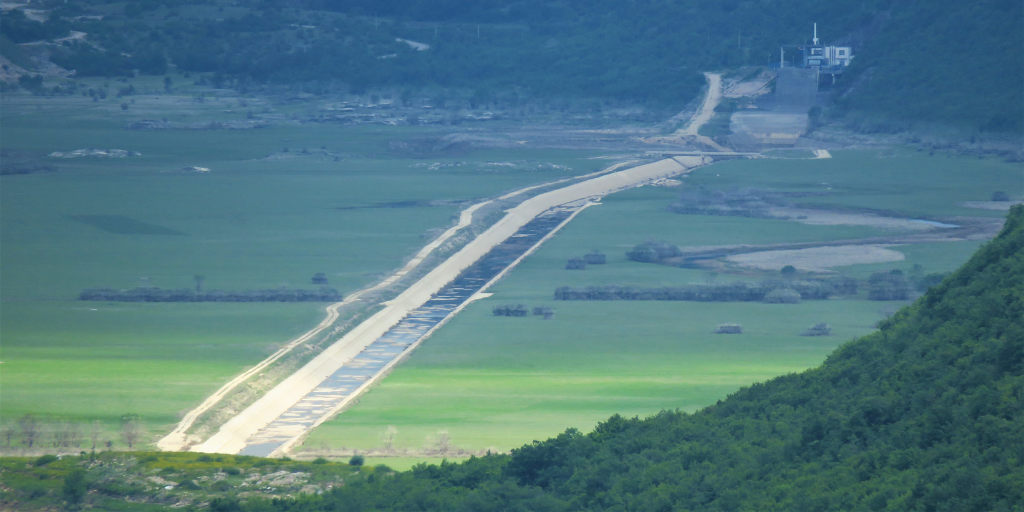
Upper Horizons hydropower scheme, Bosnia and Herzegovina
A series of dams, diversion tunnels, hydropower plants and channels will completely change the natural hydrology of eastern Herzegovina and have unpredictable impacts on wetlands, rivers and underground karst.
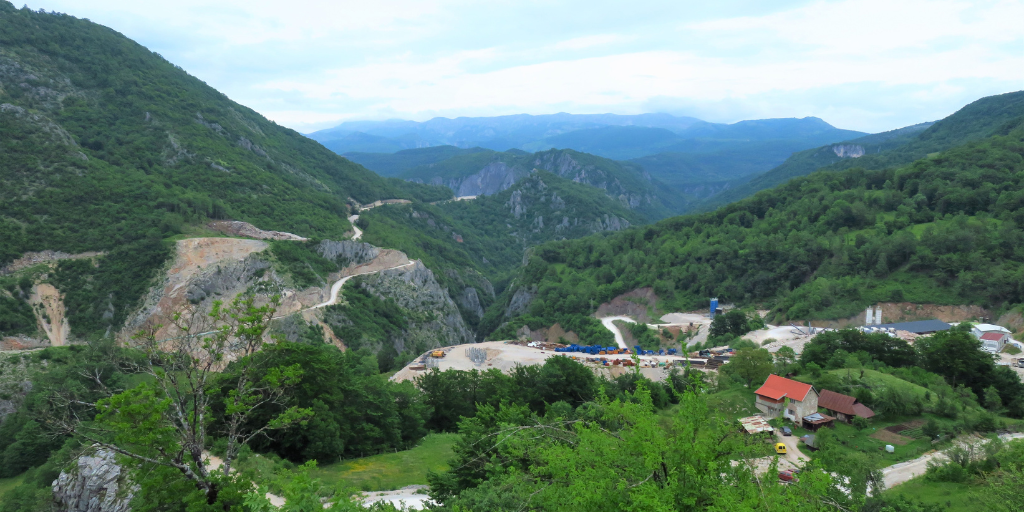
Ulog and Upper Neretva hydropower plants, Bosnia and Herzegovina
A 35 MW hydropower plant was completed in 2024 on a pristine section of the Neretva river at Ulog. Seven more plants are also planned further upstream.
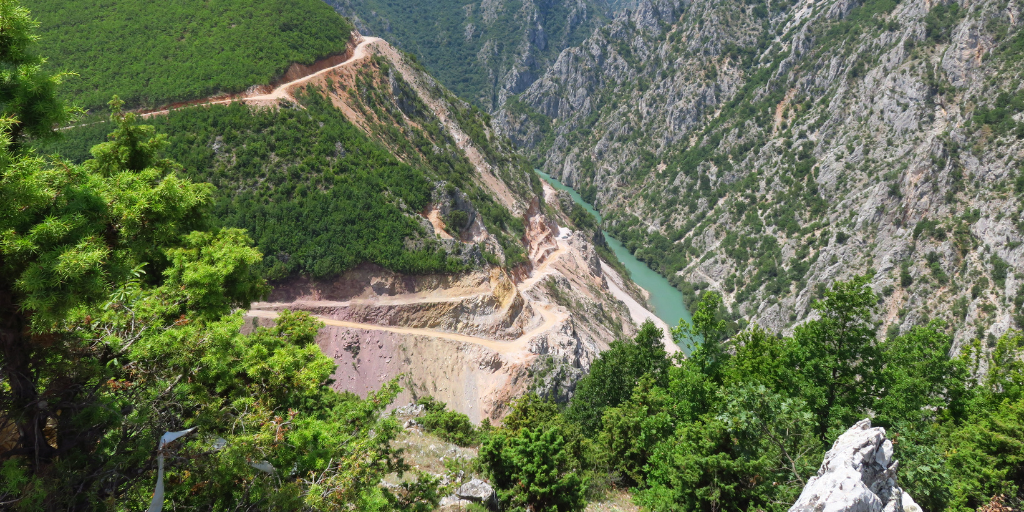
Skavica hydropower plant, Albania
Instead of increasing its energy security, Albania is pushing the construction of yet more hydropower. The Skavica project may flood several villages, displace thousands of people and bring the Balkan lynx to extinction
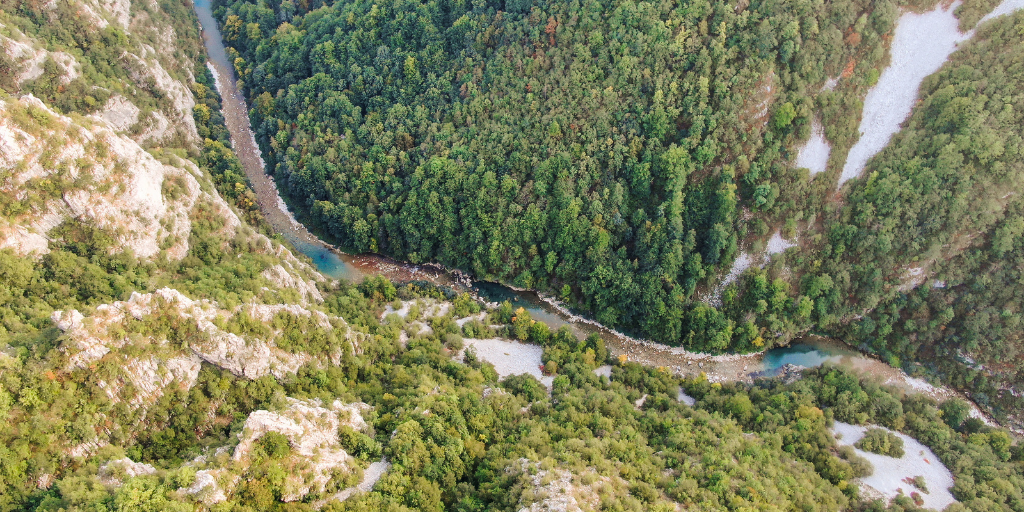
Komarnica hydropower plant, Montenegro
Planned by Montenegro’s state-owned electricity utility EPCG, the need for the Komarnica hydropower plant has never been proven.
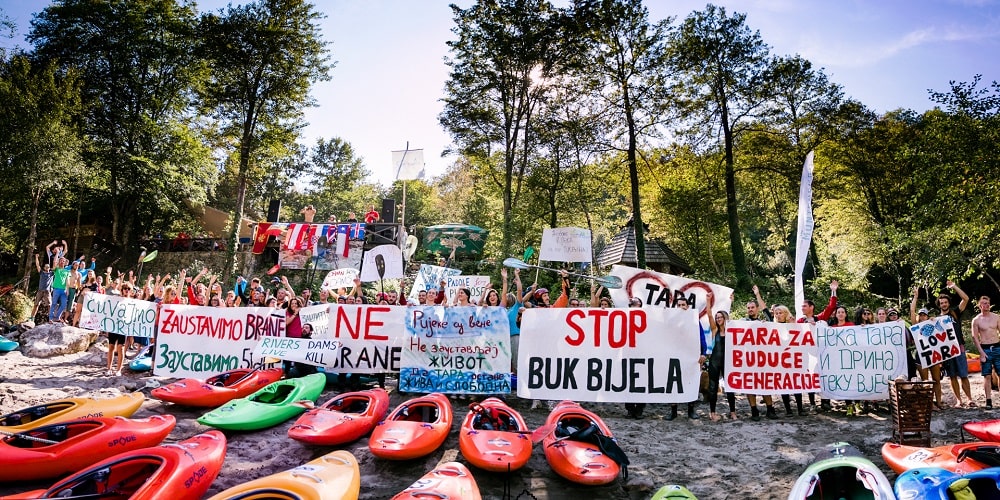
Buk Bijela dam and the Upper Drina cascade
Buk Bijela is one of 14 dams planned on the upper Drina and its tributaries. It would block the migration of the majestic Danube salmon and damage local rafting tourism. Its development has been marked by a series of legal violations.
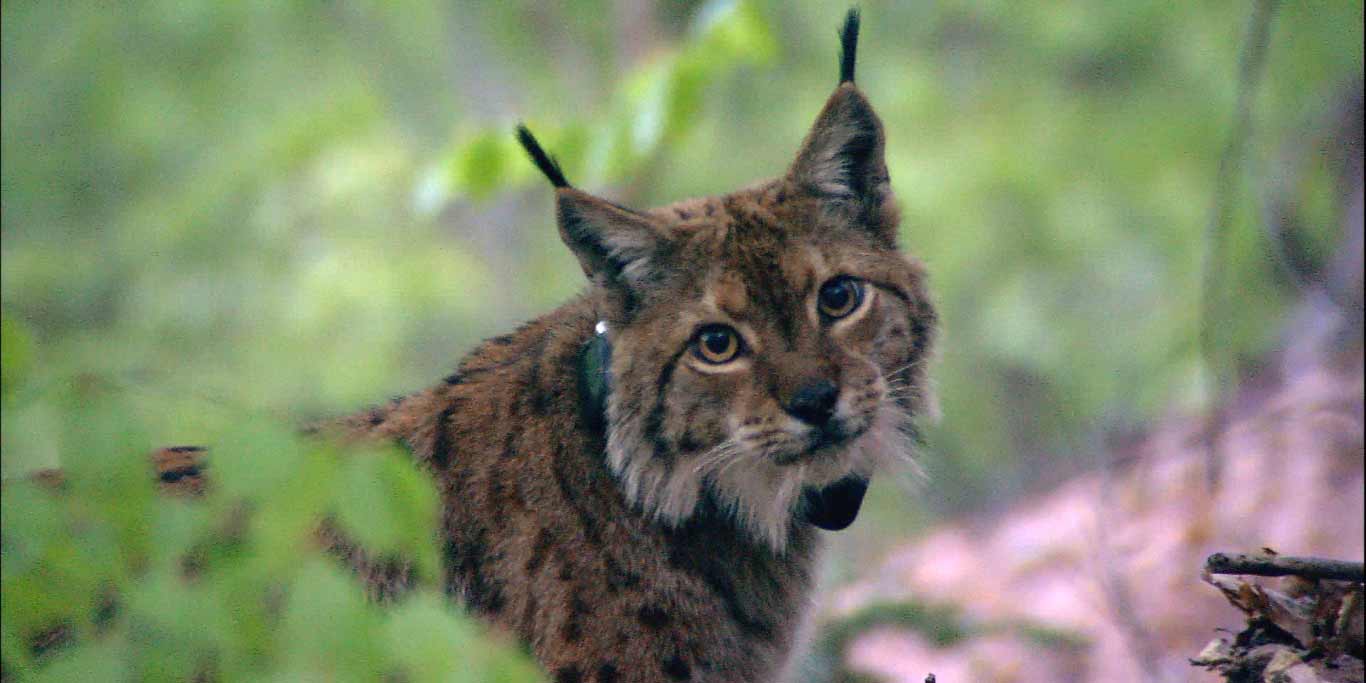
Boskov most hydropower plant, North Macedonia
Boskov Most was one of 18 hydropower greenfield projects planned by the North Macedonian government in the Mavrovo National Park. After five years of campaigning, we convinced the European Bank for Reconstruction and Development about the folly of this project and to cancel its EUR 65 million loan. Without its major source of funding, the project lost steam and was discontinued.
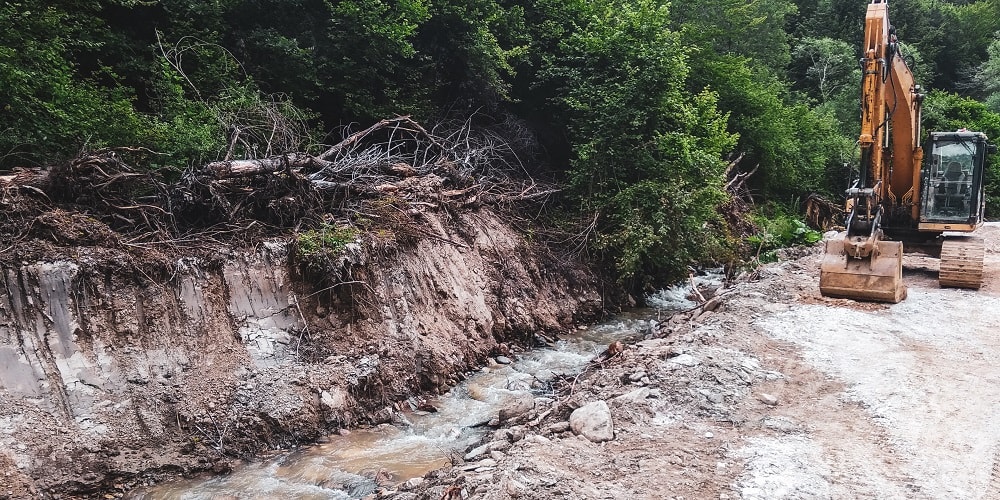
Krapska Reka small hydropower plant, Macedonia
Loopholes in the EBRD’s due diligence, together with a lack of assessment and monitoring by Macedonia’s local and central government, has proven to be a lethal combination for the country’s rivers. A prime example is the Krapska Reka small hydropower project. The authorities’ failure to recognise the location as part of the proposed Jakupica National Park, Emerald area and a future Natura 2000 site, on top of poor mitigation measures and construction practices, have caused irreversible damage to this small river valley.
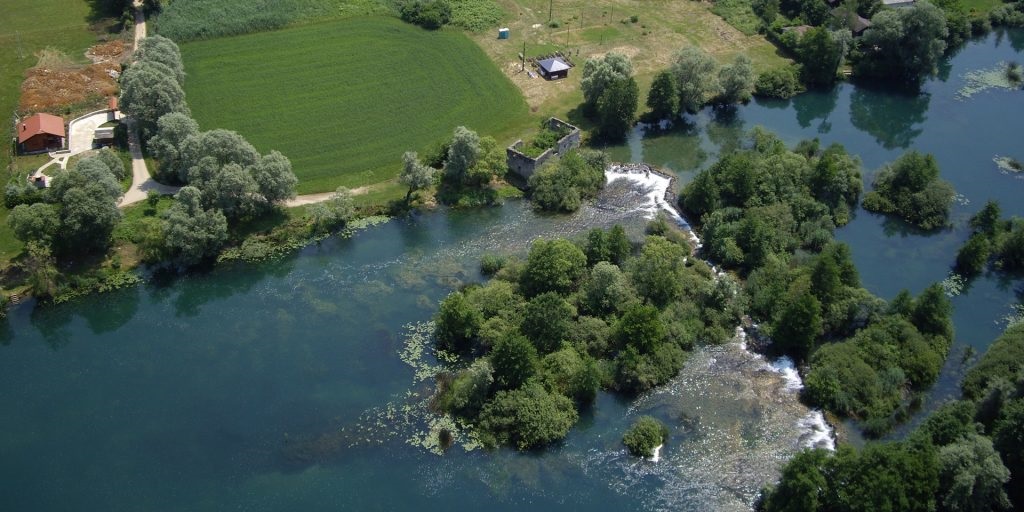
Dabrova Dolina hydropower plant, Croatia
A harmless-sounding mill conversion project on Croatia’s stunning river Mrežnica is a textbook example of how even small hydropower plants can damage protected areas. It also exemplifies the lack of transparency and oversight of investments that the European Bank for Reconstruction and Development channelled through commercial bank intermediaries.
Latest news
The damage from Slovenia’s Mokrice dam won’t stop at the Croatian border
Story | 27 May, 2026Slovenia’s state-owned Hidroelektrarne na Spodnji Savi (HESS) has for two decades been trying to build the controversial Mokrice hydropower plant on the river Sava. But poor quality environmental studies have been repeatedly quashed in court by the Slovenian Native Fish Society, and a recent transboundary assessment’s claims that the impacts will stop at the Croatian border are far from convincing.
Read moreObstacles pile up for the Dabar hydropower plant in Bosnia and Herzegovina: Time to rethink the whole Upper Horizons complex
Story | 14 May, 2026When the Republika Srpska authorities signed contracts with the China Eximbank to finance the Dabar hydropower plant at the end of 2021, it seemed like the first and largest part of the Upper Horizons complex was a done deal. Today, more than four years later, obstacles are piling up for this controversial project, providing a much-needed opportunity to rethink the whole idea.
Read moreDon’t look, don’t find: Buk Bijela’s ‘environmental impact assessment’
Story | 2 March, 2026Bosnia and Herzegovina’s Upper Drina hydropower scheme would turn 30 kilometres of this iconic river into stagnant reservoirs and cut a key Danube Salmon habitat into pieces. Its largest dam would be the 118-megawatt Buk Bijela, first proposed in the 1970s but repeatedly scuppered due to its impact on Montenegro’s Tara Canyon. Now a new environmental assessment is out for public consultation, but it’s being more than economical with the truth.
Read moreRelated publications
Paravani Hydro Power Plant, Georgia
Briefing | 15 May, 2011 | Download PDFThe Turkish company Georgian Urban Energy (GUE) has requested a USD 44 million EBRD loan for the Paravani HPP, an 87 MW plant using a 14 km derivation tunnel in order to divert water from the Paravani river to the Mtkvari river. Bankwatch member group Green Alternative has deep concerns regarding the project’s potential negative impacts as well as its overall justification.
Letter to IFIs regarding Georgian hydropower plants
Advocacy letter | 23 July, 2009 | Download PDFWe have received the following responses: On July 29, 2009 from EBRD (pdf here). On August 4, 2009 from EIB (pdf here). On August 27, 2009 from World Bank (pdf here).
Dam Big Impact – The energy sector development in Georgia
Briefing | 23 July, 2009 | Download PDFThe energy policy of the Georgian government supported by a number of IFIs, aims at utilising the hydroenergy potential in the country in order to overcome the existing energy crisis. But effectively, this policy has the potential to cause significant negative impact on the environment, to drastically change the social and demographic situation in Georgia’s mountain areas and to devastate the existing cultural heritage.

