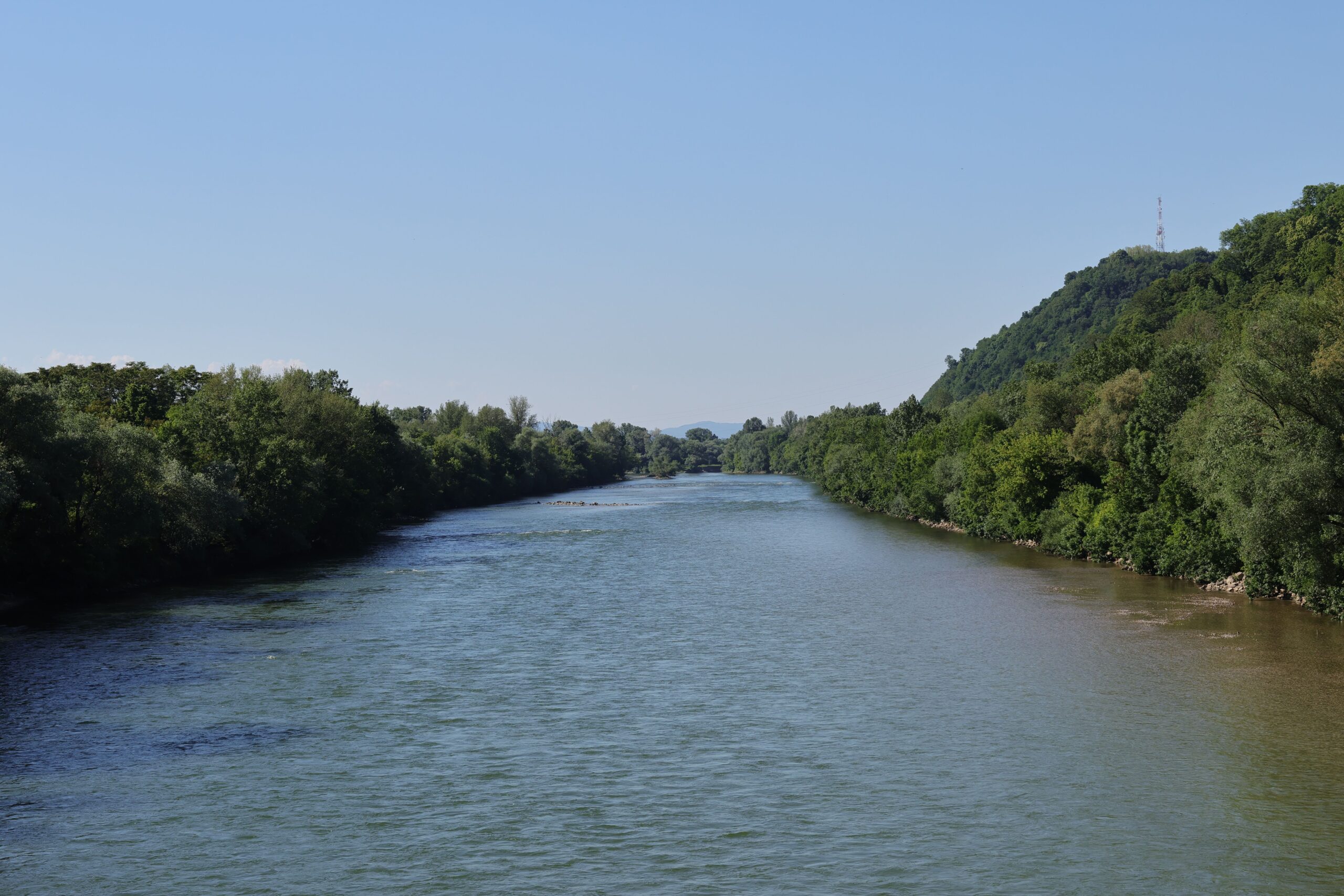
Slovenia’s state-owned Hidroelektrarne na Spodnji Savi (HESS) has for two decades been trying to build the controversial Mokrice hydropower plant on the river Sava. But poor quality environmental studies have been repeatedly quashed in court by the Slovenian Native Fish Society, and a recent transboundary assessment’s claims that the impacts will stop at the Croatian border are far from convincing.
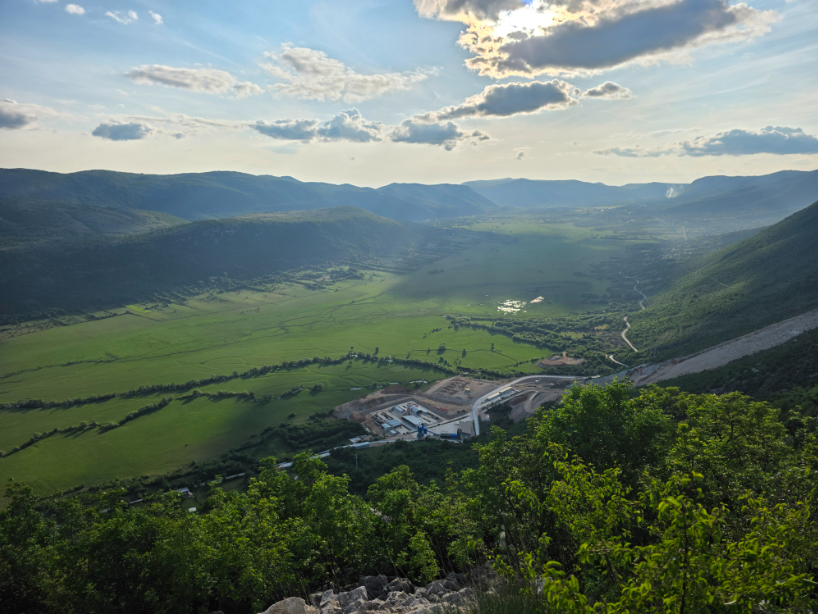
When the Republika Srpska authorities signed contracts with the China Eximbank to finance the Dabar hydropower plant at the end of 2021, it seemed like the first and largest part of the Upper Horizons complex was a done deal. Today, more than four years later, obstacles are piling up for this controversial project, providing a much-needed opportunity to rethink the whole idea.

Bosnia and Herzegovina’s Upper Drina hydropower scheme would turn 30 kilometres of this iconic river into stagnant reservoirs and cut a key Danube Salmon habitat into pieces. Its largest dam would be the 118-megawatt Buk Bijela, first proposed in the 1970s but repeatedly scuppered due to its impact on Montenegro’s Tara Canyon. Now a new environmental assessment is out for public consultation, but it’s being more than economical with the truth.
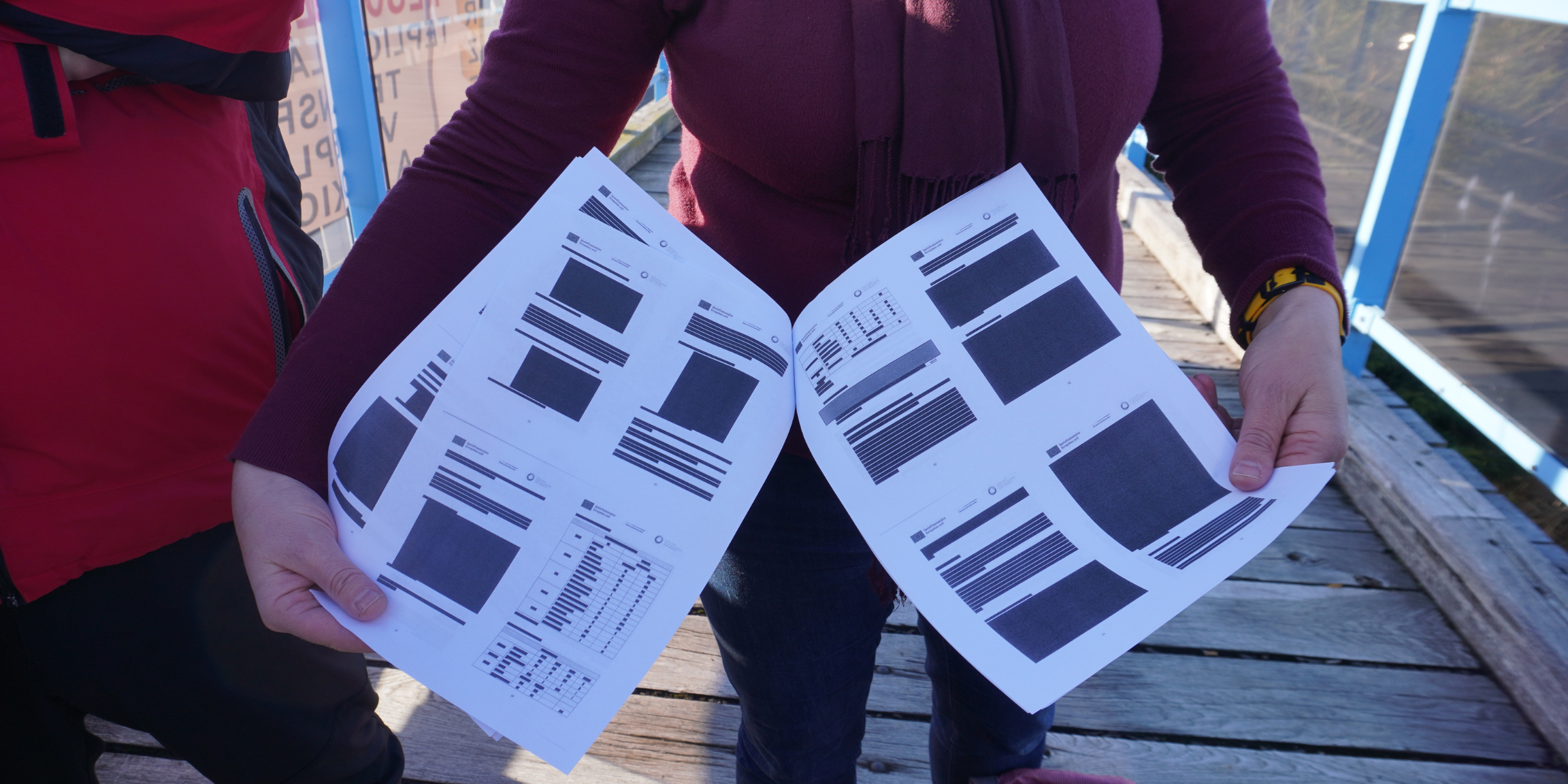
Civil society organisations and accountability mechanisms have repeatedly highlighted EBRD-financed projects in which the people affected have been marginalised, consultations have been superficial, and grievances have been ignored. These are not isolated missteps or the work of a few bad apples, but rather recurring problems that result in serious harm to people and the environment. Our latest research identifies 38 such cases, raising a pressing question: How can the EBRD ensure meaningful public participation if it doesn’t identify and learn from its failures?
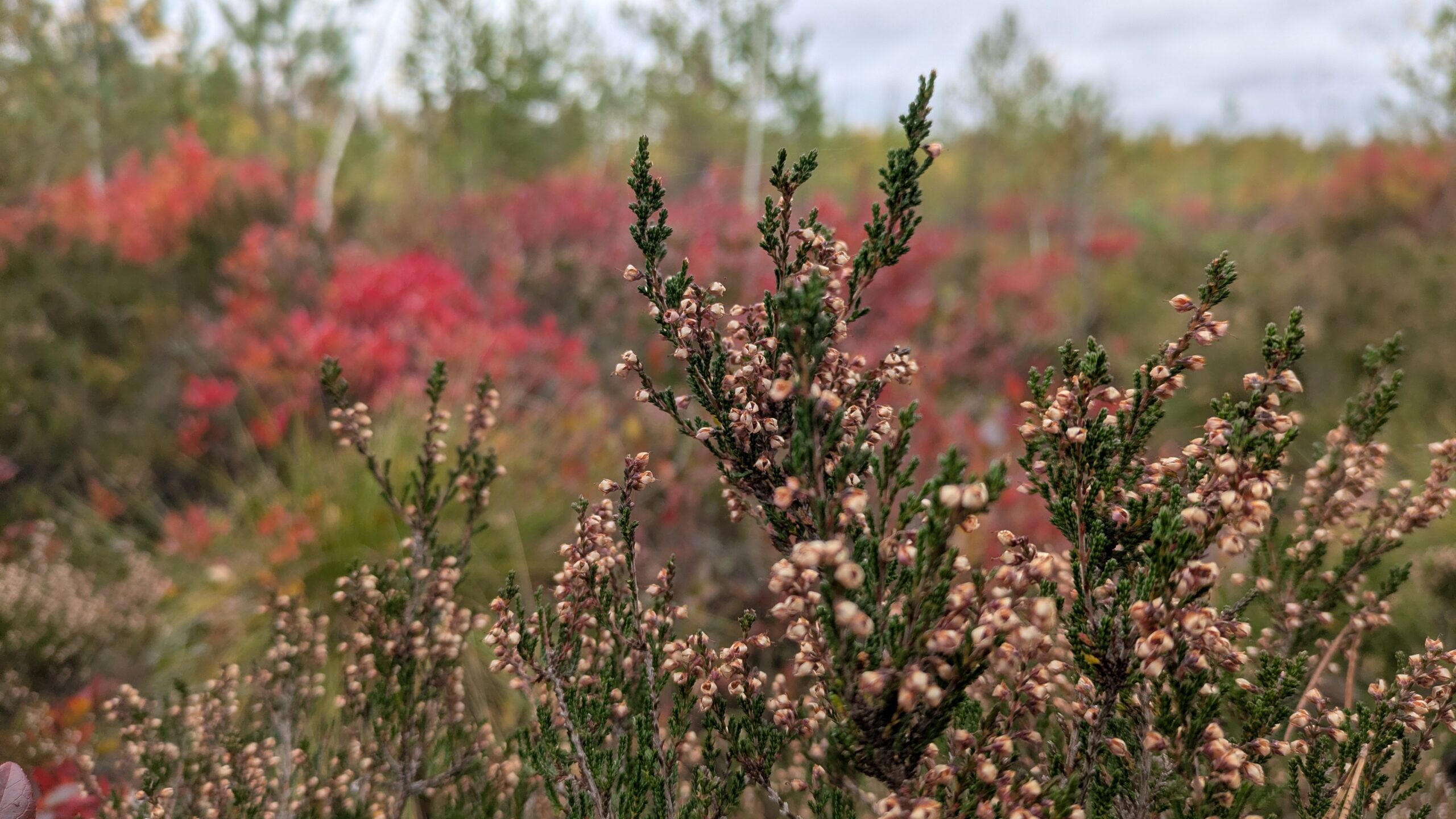
A new citizen-science trail at Estonia’s restored Kõrsa bog shows how involving communities directly can transform nature restoration into an accessible, collaborative and trusted process.
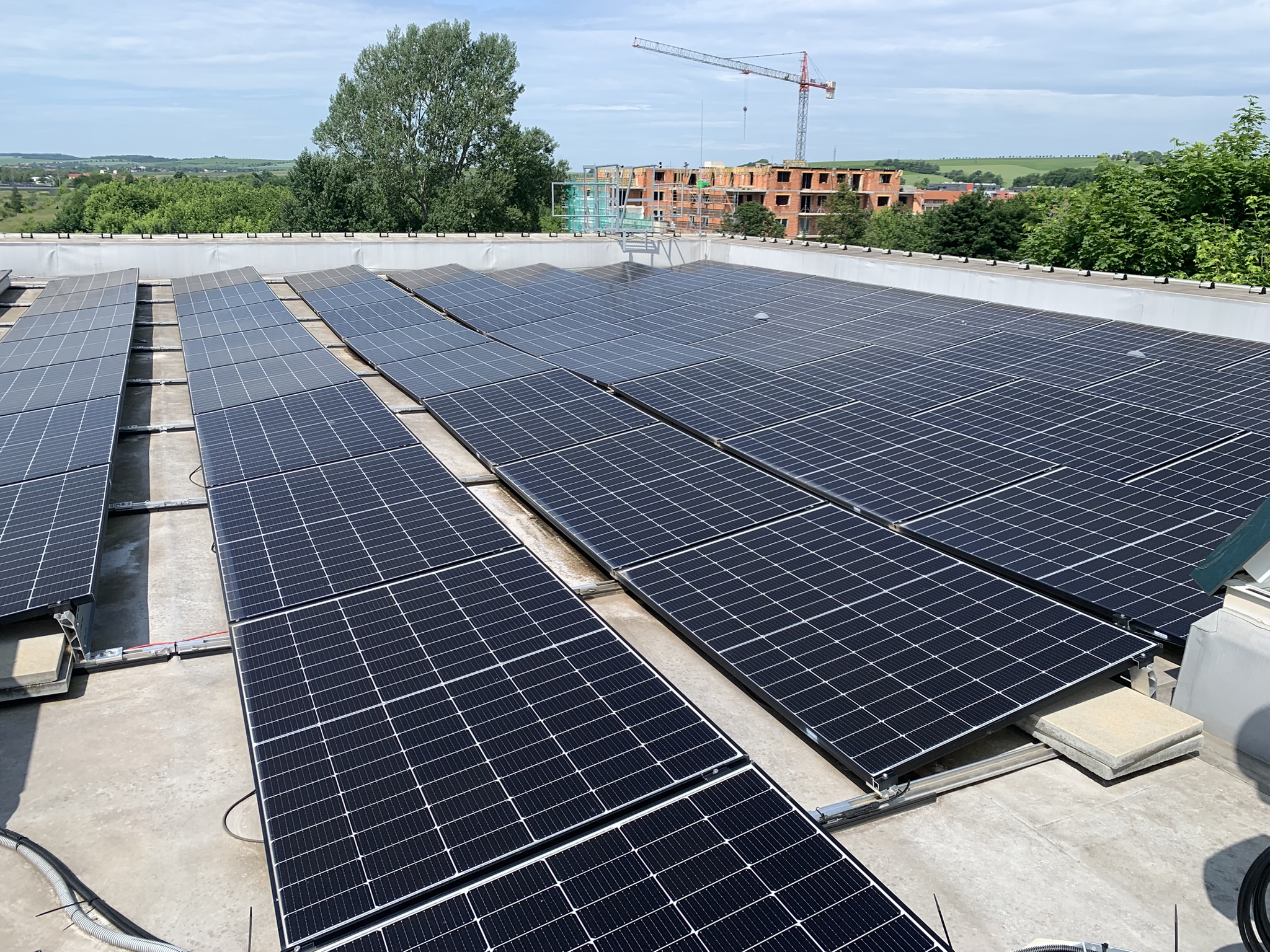
Community energy pioneers know that much hard work is needed before they can seamlessly share power between one another. In spite of all obstacles, they believe the project is worth it.

