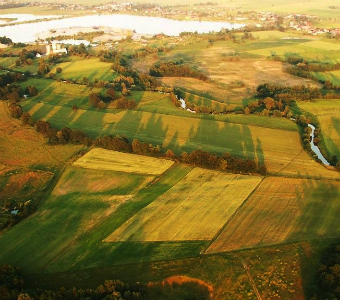
The Lubin municipality in south-western Poland, under threat by Polish government plans to build a new open-pit lignite mine, is taking its case to the Polish Constitutional Court.

A new law that will redraw the Czech Republic’s approach to renewable energy is suspected to bring the development of the Czech renewables sector to a standstill and instead provide a boost for the country’s fossil fuel sector.
A message to EBRD President Suma Chakrabarti
September 13, 2013 | Read more
In an open letter sent today to the President of the European Bank for Reconstruction and Development 54 civil society organisations follow up from last weeks consultations on the bank’s new energy sector strategy and ask the president to ensure that the EBRD addresses the challenges of climate change with the urgency it deserves. We reproduce the letter’s content here.
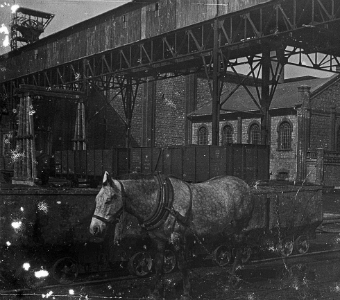
A comeback to Polish prime minister Tusk’s backing of coal
September 13, 2013 | Read more
“Poland will continue to back coal (…) The future of Polish energy is in brown and black coal, as well as shale gas,” said on Tuesday Polish Prime Minister Donald Tusk, speaking at an event of the extractive industry.
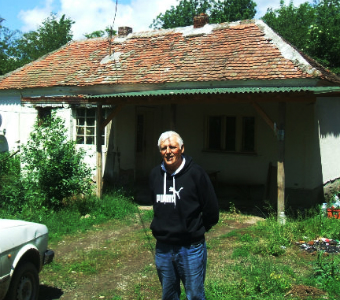
New arrests link corruption with land expropriation at Serbian Kolubara mine
September 11, 2013 | Read more
Land expropriation and corruption have been two recurring themes at the Kolubara mine. This week’s arrests indicate that they are closely connected.
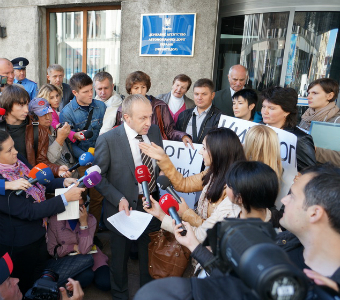
Of horses and roads – protests in Ukraine highlight lack of safety
September 11, 2013 | Read more
Demonstrations in Kiev have shown that road safety is not only for cars but also pedestrians and other traffic participants – a lesson that the Ukrainian road company still needs to learn and that the European Bank for Reconstruction and Development should be teaching more actively.

