There is a light at the end of the EIB tunnel
October 18, 2011 | Read more
The European Investment Bank finally invited for a dialogue with civil society organisations. It might be a little ambitious to say that true dialogue happened there, but certainly the NGOs were able to send a couple of strong messages to the EIB Board, and, for a while, it felt like the Board was listening.

A historic event, the European Investment Bank opens its doors (a bit)
October 12, 2011 | Read more
Ahead of a meeting next week that offers a unique chance for discussion with the EIB’s Board of Directors, Bankwatch’s EIB team leader Anna Roggenbuck gives an overview over some of the issues to which she’d like to hear some comments by the bank’s enigmatic leadership.
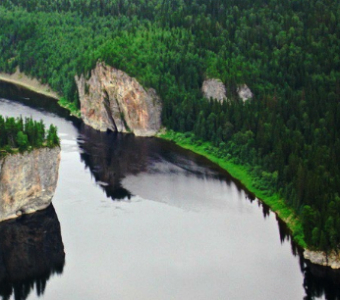
Did the glimmer of gold blind the EBRD?
October 11, 2011 | Read more
The European Bank for Reconstruction and Development has become a stakeholder in a company that is involved in gold mining in a UNESCO World Heritage site in Russia. Not only does this violate its own Environmental and Social Policy, but it also tells me a lot about the bank’s assessment of partner companies.
Potocnik says green economy, European public banks say black coal
October 3, 2011 | Read more
The European Union’s internal and external ambitions for green economies are being countered by the activities of European international financial institutions. EU Commissioner for the Environment Potocnik can see that also in his home country Slovenia.

Right track, weak attitude. The EU’s Resource Efficiency Roadmap.
September 22, 2011 | Read more
The European Commission this week published its ideas on how to build a resource efficient economy in Europe. Bankwatch’s resource efficiency expert Marijan Galovic thinks the roadmap’s focus is not wide enough yet.
Greenwashing nuclear expansion in Ukraine, with EU support
September 13, 2011 | Read more
Upgrades of hydro power plants in Ukraine are a prime example for greenwashing nuclear expansion with renewable energy. Alena Miskun from Bankwatch member group National Environmental Centre of Ukraine gives details on the thickening plot that European public banks are involved in.

