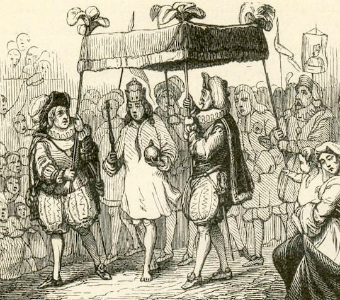
In times of crisis – Poland’s take on the Emperor’s New Clothes
September 9, 2011 | Read more
Poland has made a worrying proposal on public private partnerships that could risk the future stability of European economies by turning a blind eye to future public debt. But the EU would do well to take the British example as an eye opener.
Contemplating secure and insecure energy supply
September 7, 2011 | Read more
The EU external energy policy Communication published today by the European Commission continues the decade-long approach of the EU to ensure the unhindered flow of fossil fuel energy supplies to Europe without a real recognition of the problems this drive creates both inside and outside of the EU.
The Bankwatch EIB team read the most recent report by the European Investment Bank on the bank’s crisis lending to small and medium enterprises and they were surprised by its main claims: unlike what the EIB says, our own research shows that EIB crisis loans to SMEs were more helpful to commercial banks disbursing them than to the cash-strapped small and medium enterprises they were supposed to help.
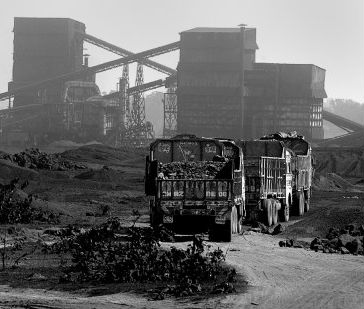
No more (EU) sweeping under the rug!
August 15, 2011 | Read more
Bankwatch’s waste expert, analyses the draft EU Resource Efficiency Roadmap released by the Commission this month. A good start, but much more is needed, says Galovic.
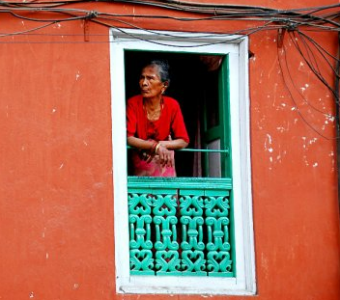
Manana Kochladze, Bankwatch’s regional coordinator for the Caucasus and co-author of our new civil society guide Gender and international financial institutions talks about the impacts on women’s lives when big money comes to help “develop” their countries.
Bypassing responsibility
August 8, 2011 | Read more
The complaints office at the European Bank for Reconstruction and Development has agreed to investigate a complaint from Bankwatch that a railway project in Georgia has not been properly assessed. Georgian Bankwatcher Dato Chipashvili thinks the case should be a lesson for the EBRD to make sure that from the start local people have their say in how projects are done.

