
The EBRD must finally leave fossil fuels behind
December 6, 2022 | Read more
No justification for more public money going to the fossil fuels industry, say dozens of central and eastern European civil society organisations. The European Bank for Reconstruction and Development must urgently shift its investments to help accelerate the energy transition.
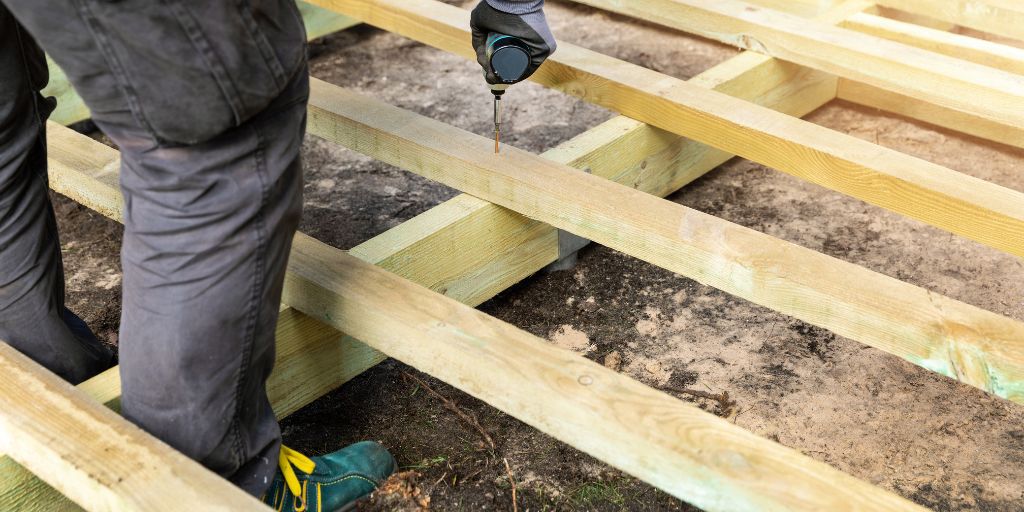
REPowerEU is a chance to prioritise renovating buildings in Latvia
November 30, 2022 | Read more
Energy consumed in the residential sector accounts for up to 30 per cent of Latvia’s energy usage. Approximately 23,000 multi-apartment buildings need to be renovated, but only 1,600 buildings have been insulated since 2009, a renovation rate of 0.5 per year. Will Latvia seize the chance and use REPowerEU chapters for renovation?
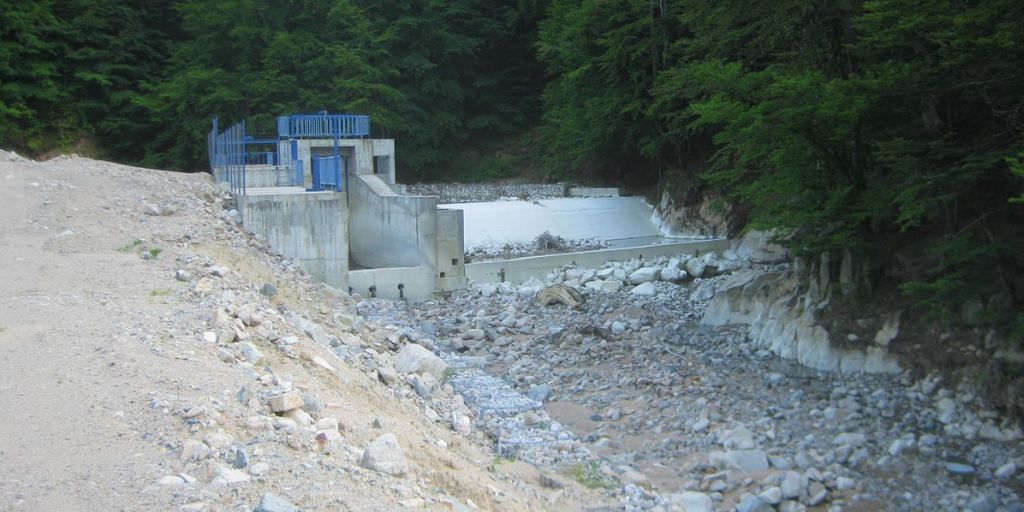
In their poorly thought-out regulation on renewables permitting, the Commission and Council are abusing EU emergency powers to trash key environmental safeguards and unleash legal chaos.
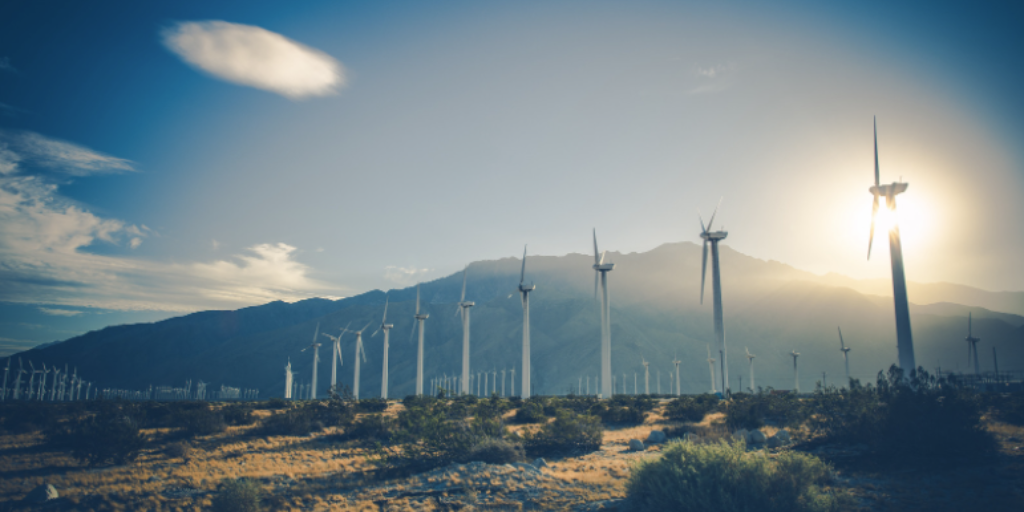
On 12 October, Estonia’s parliament adopted a new renewable electricity target of 100 per cent by 2030. The strategic use of EU cohesion and recovery funds in Estonia will help reach that goal, and the additional EUR 83.4 million from REPowerEU has the potential to do even more.
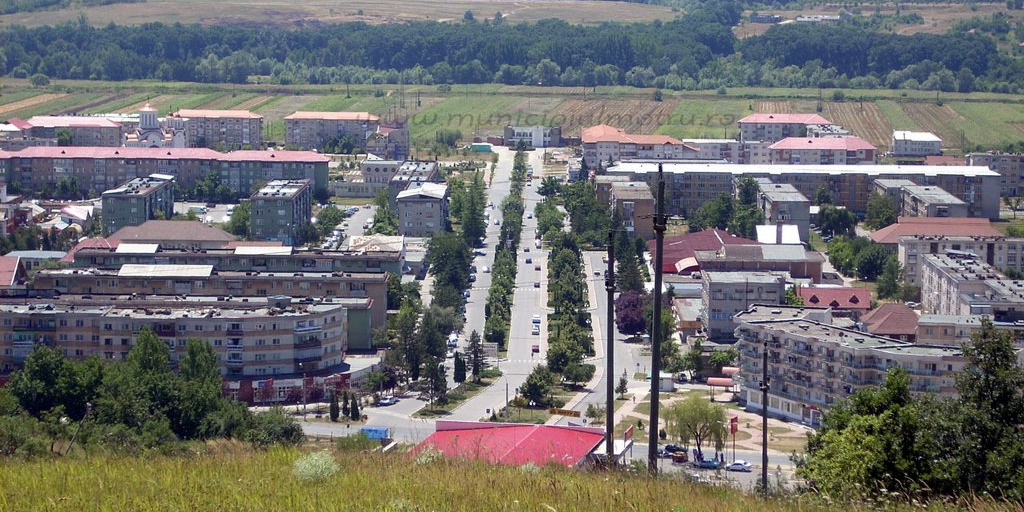
A new study shows that the city’s district heating can come from fully renewable sources.
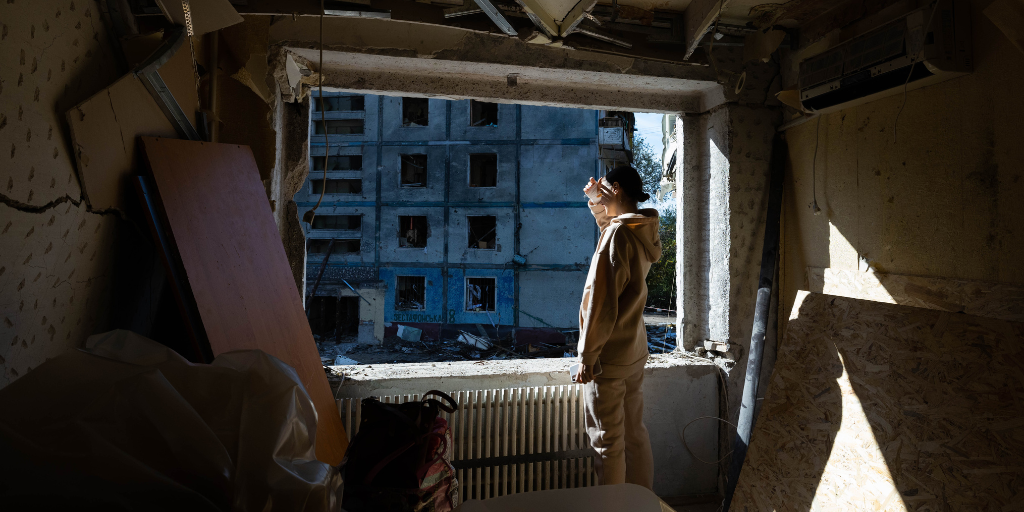
Ukraine Reconstruction Platform: nothing to write home about
November 10, 2022 | Read more
After a hectic start to public discussion about Ukraine’s reconstruction in Lugano, here we are again, trying to come up with some tangible results after the Berlin conference but without success. What is lacking in the conversation on Ukraine’s reconstruction, and how can the countries and partners put their money and attention where their mouth is?

