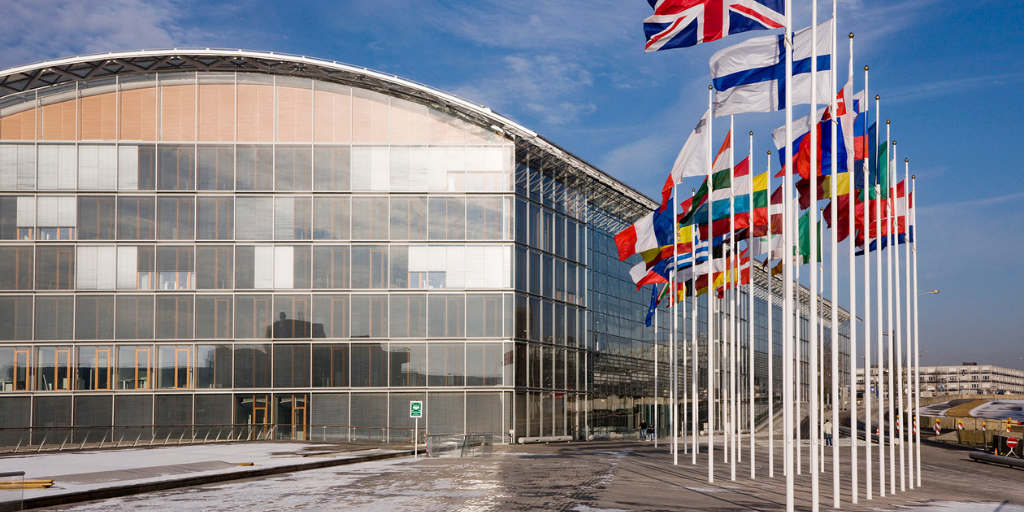
The EIB’s safeguard rules must match its global ambitions
February 1, 2022 | Read more
The EU’s house bank has great development aspirations, but its draft environmental and social policy has dangerous gaps that will come back to haunt it.
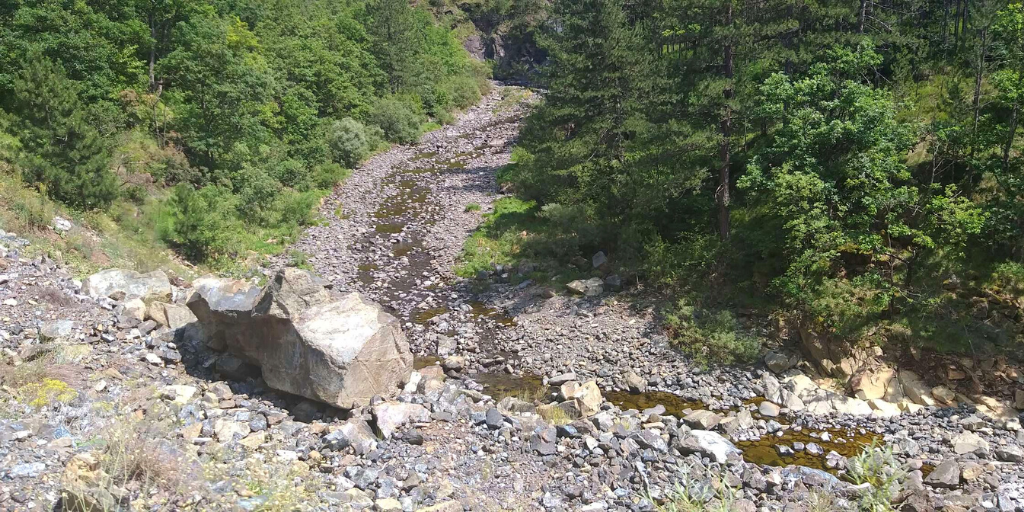
As the EIB prepares to adopt a new environmental and social policy next week, an NGO complaint to the Bank’s Complaint Mechanism shows why the Bank’s standards for financial intermediaries urgently need to be tightened.
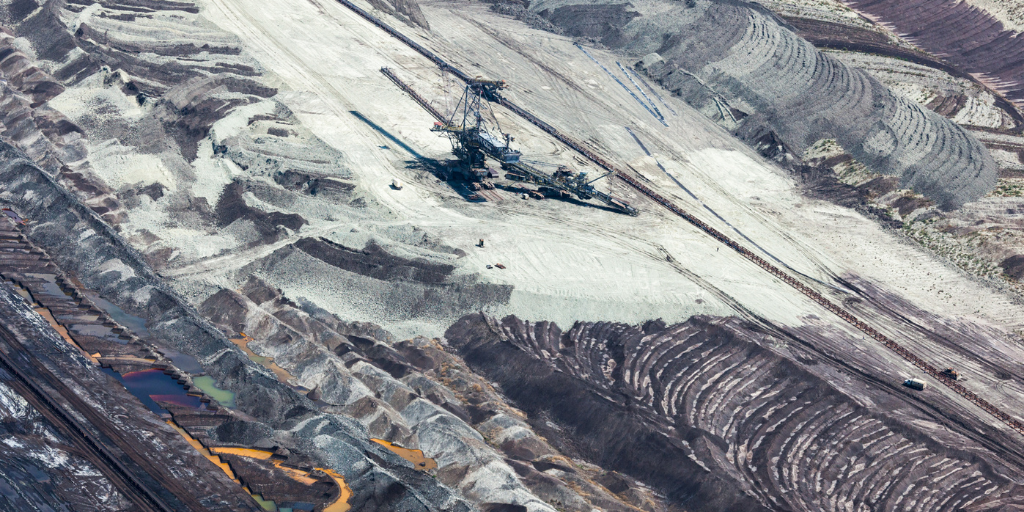
In 2021, the Bulgarian (interim) government announced that it had decided to transform the huge Maritza Iztok 2 coal-fired power plant into a steam-gas plant – (to replace 1.4 GW of coal capacity with a minimum of 1 GW of gas). The government has sought funding from the EU’s Recovery and Resilience Facility, the Modernisation Fund and other unnamed private sources.

Modernisation Fund to boost fossil fuels in Poland
January 21, 2022 | Read more
Billions of euros earmarked for a green transformation and renewables may instead finance fossil gas and waste incineration. Fears are coming true that without transparent public oversight, the Modernisation Fund would become a pipeline for projects harmful to the climate and environment. The Polish example shows that investments banned from the Cohesion and recovery funds are moved to the Modernisation Fund.
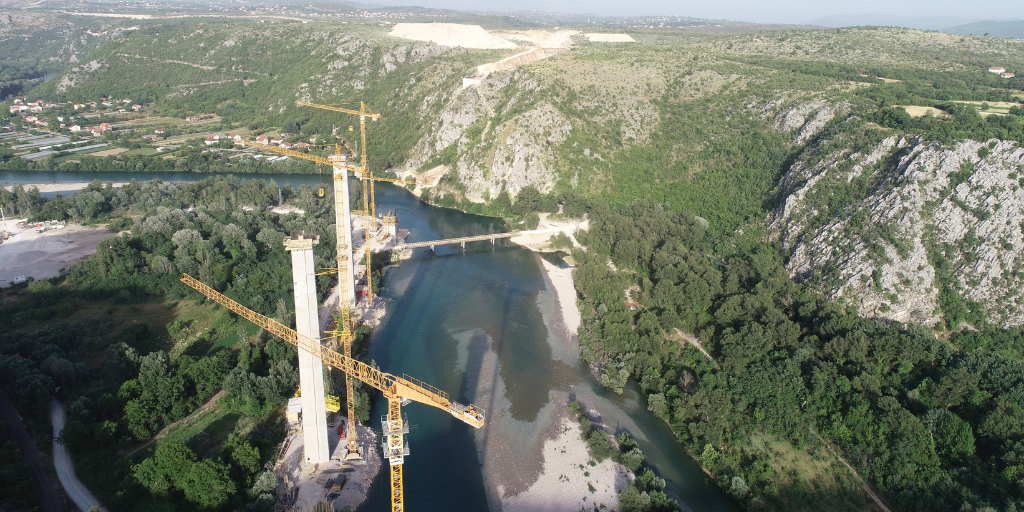
Municipal court decision concluded that the Federation of Bosnia and Hercegovina (FBiH) indirectly discriminated against war returnees in Mostar South by choosing a new route of the Corridor Vc motorway without public consultations.
The Uzbek blogger who first raised these concerns was smeared, beaten, and now faces trial.

