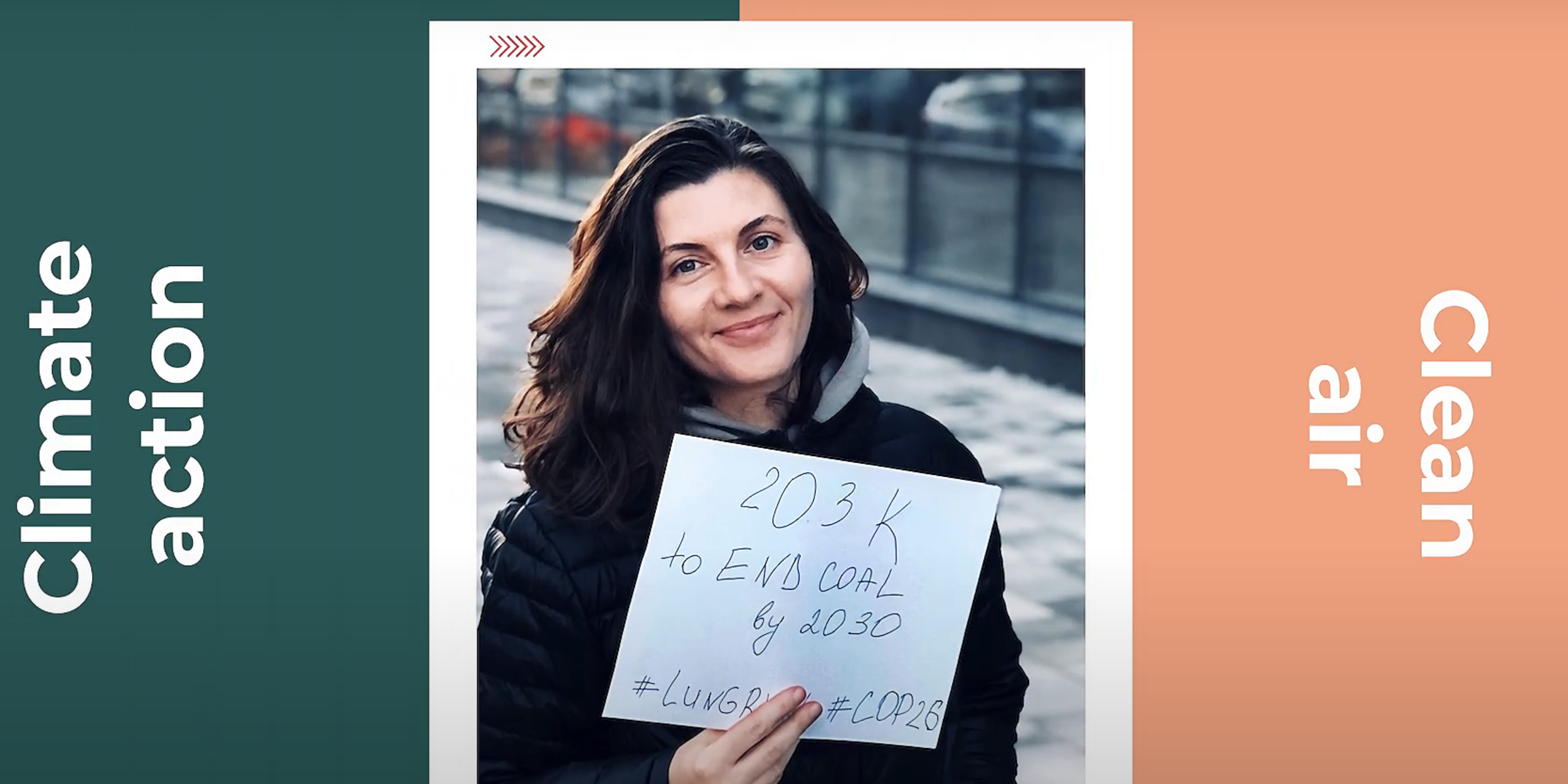
On the side lines of this year’s UN climate change conference in Glasgow, more than 40 people from around the world joined our initiative to run 20.30 kilometres to support the science-backed need for a coal phase-out by 2030.

Bulgarian recovery plan improves after six-month impasse
November 5, 2021 | Read more
After a six-month delay and three revisions, the EUR 6.6 billion Bulgarian national recovery and resilience plan has finally been submitted to the European Commission. Although this delay postpones its implementation, the plan is markedly improved particularly in terms of biodiversity protection, following dialogue between environmental groups and the authorities. The process shows the key role public participation can play in delivering a green recovery.

The European Commission’s Directorate General for Energy is dragging its feet in answering allegations on its role in the selection of priority gas pipelines in the Western Balkans and Caucasus region. The delays threaten to diminish the chances of the Ombudsman’s findings being taken into account while developing new EU energy rules.
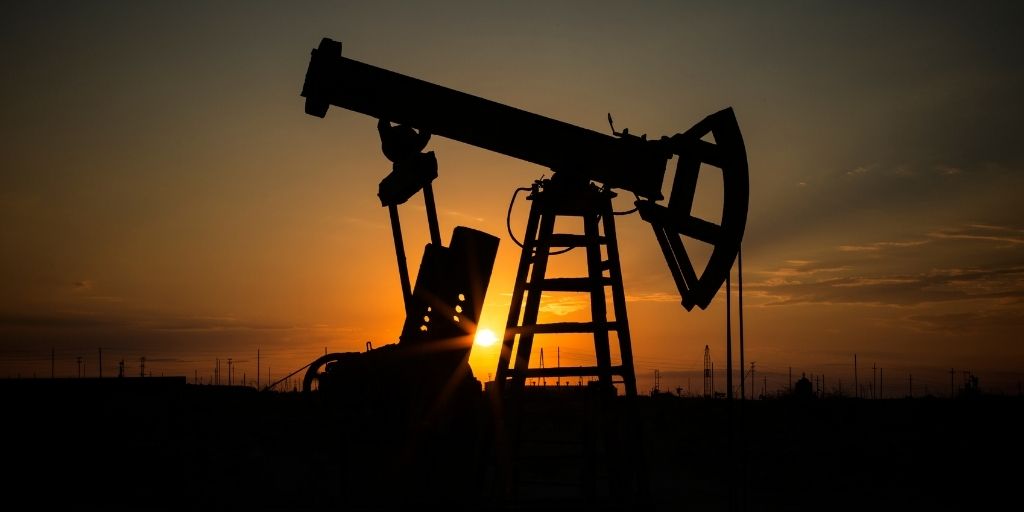
Our energy systems are a long way from alignment with the pathway to stay below a 1.5°C rise in global temperatures, according to the International Energy Agency (IEA) World Energy Outlook 2021 report published yesterday.
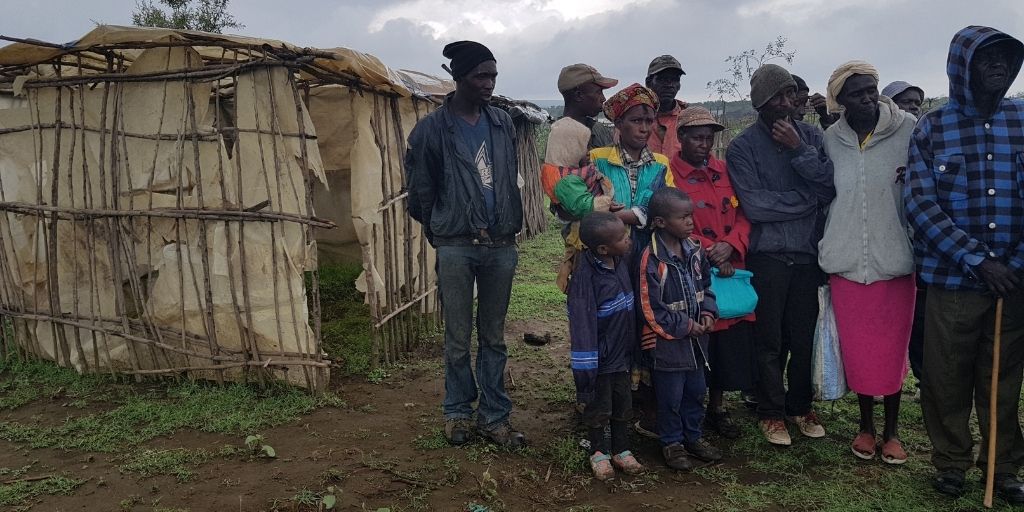
Kenya energy project exposes the dark side of EU development funds
October 13, 2021 | Read more
A third of the European Investment Bank (EIB) portfolio in 2020 went through financial intermediaries, a channel that has already enabled multiple projects with devastating consequences for nature and communities with virtually zero accountability. The ongoing review of the EIB’s environmental and social standards is a crucial opportunity to ensure transparency and proper scrutiny of all projects supported with European public money.

EIB misinterprets EU’s development finance needs
October 12, 2021 | Read more
The European Investment Bank (EIB) has long been seeking to take a more significant role in the EU’s overseas development effort. But it has also been resisting calls to upgrade its policy on the environmental, social and human rights ramifications of the projects it supports.

