
The expansion of Budapest’s Ferenc Liszt International Airport, financed by the European Investment Bank (EIB), illustrates how big infrastructure projects are promoted at the expense of people and the environment, ignoring EU environmental requirements and the EIB’s own environmental and social standards. However, what is most striking about this case is the fact that a project with EU financial support, has ended up trapping citizens in miserable lives only few are able to flee.
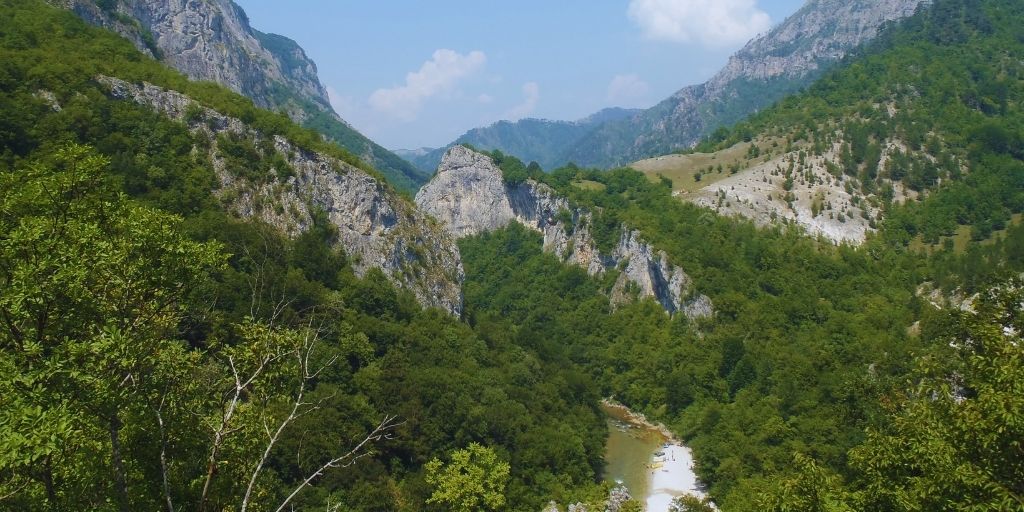
The Western Balkans Green Agenda Action Plan: Quantity over quality
October 8, 2021 | Read more
This week’s EU-Western Balkan summit in Slovenia in the end resulted in agreement on a long-awaited Action Plan for the Green Agenda for the Western Balkans. But the climate and environment emergencies will not be solved by ‘indicative timeframes’.
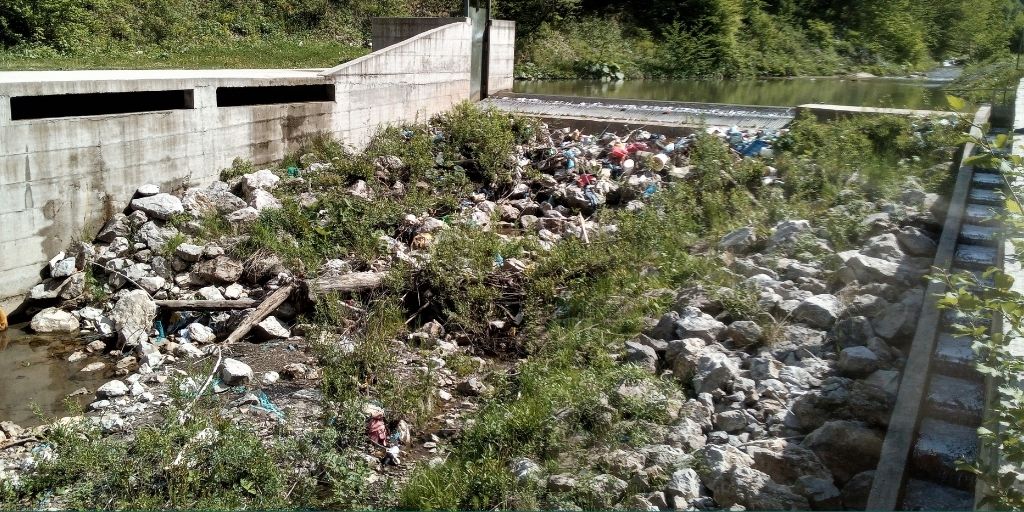
In late September the Office for Auditing Institutions in the Federation of Bosnia and Herzegovina confirmed what everyone already knew: That the body responsible for renewable energy incentives has been out of control for years. The question is, what will be done about it?
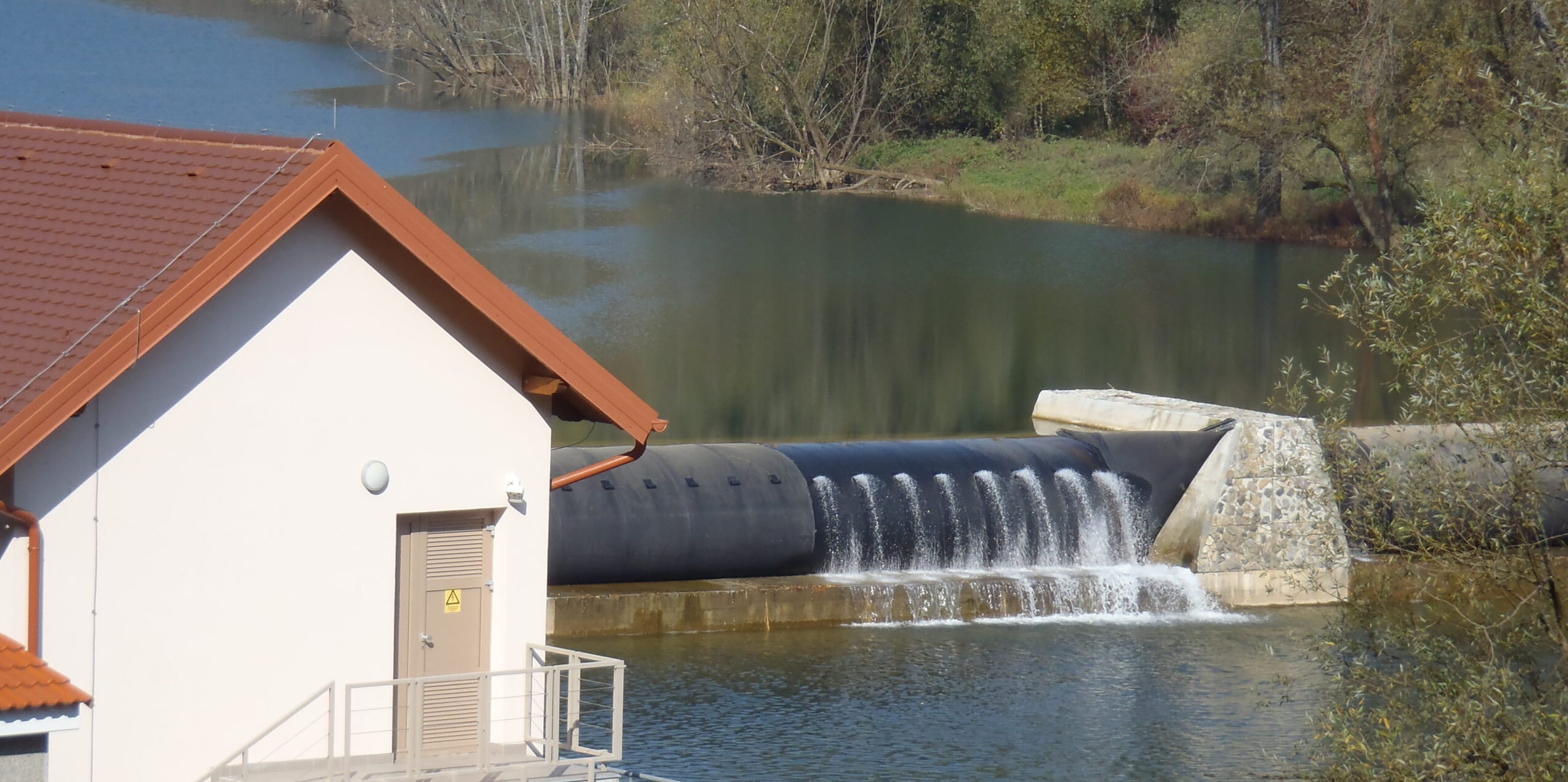
More than a third of the European Investment Bank (EIB)’s EU lending is carried out via intermediaries. Yet most of this money disappears into a black hole, with no information published about the final beneficiaries and no checks by the EIB about their environmental and social impacts. The EIB’s new safeguard framework is supposed to address this, but the draft text leaves the Bank far behind its peers.

How to monitor the spending of the EUR 672 billion recovery fund
August 31, 2021 | Read more
Following the European Commission’s assessment, the majority of recovery plans have now been approved by the Council of the EU, paving the way for an unprecedented amount of money to be made available to Member States. However, with both the Commission and Member States rushing to disburse funds as quickly as possible, ensuring sufficient monitoring and control mechanisms are in place will be more important than ever before.
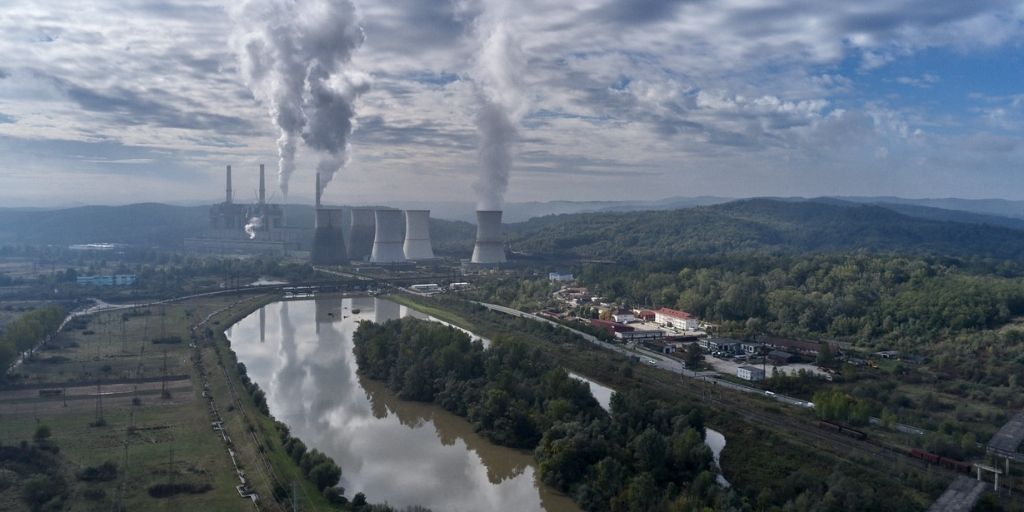
The beginning of the end – coal phase out in Romania
August 16, 2021 | Read more
On 27 July, the most polluting coal power plant in Romania was shut down. After more than 50 years in service, the Mintia power plant is closing because it has failed for a long time to comply with the legal emissions limit. The European Commission sent infringement notices to Romania five years in a row for non-compliance with the Industrial Emissions Directive. At the same time, two units at Oltenia Energy Complex, Romania’s largest lignite power producer, will be closed by the end of the year. For Romanian coal power, this is the beginning of the end.

