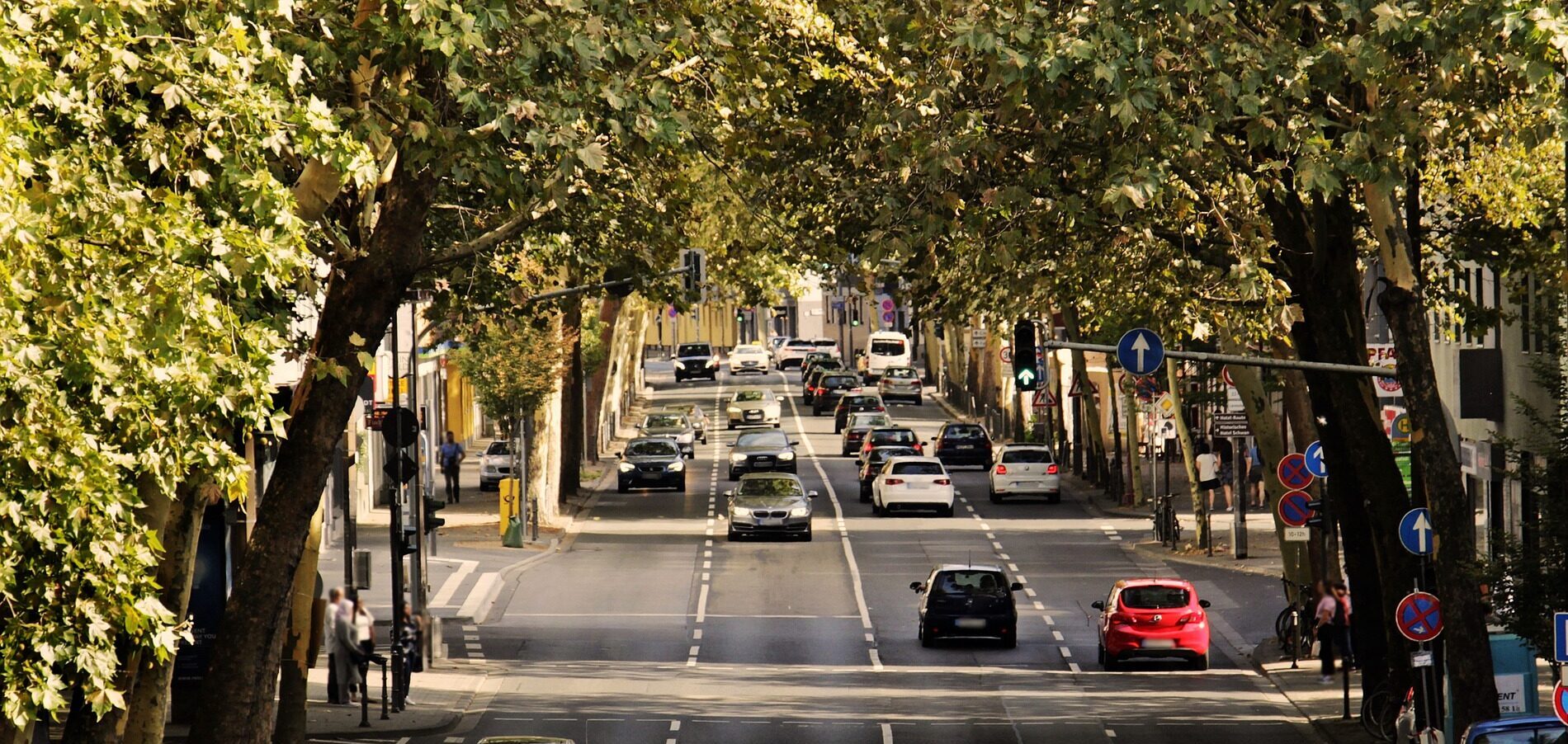
Mining raw materials such as cobalt or lithium for information and communications technologies (ICT) or decarbonized mobility comes with a hefty environmental, social, and human rights price tag. With Europe’s green and digital transformation topping the Portuguese EU presidency, besides driving innovations in the transportation sector, clear policies and funds are needed to encourage reduced resource consumption while making supply chains of these minerals fair and sustainable.
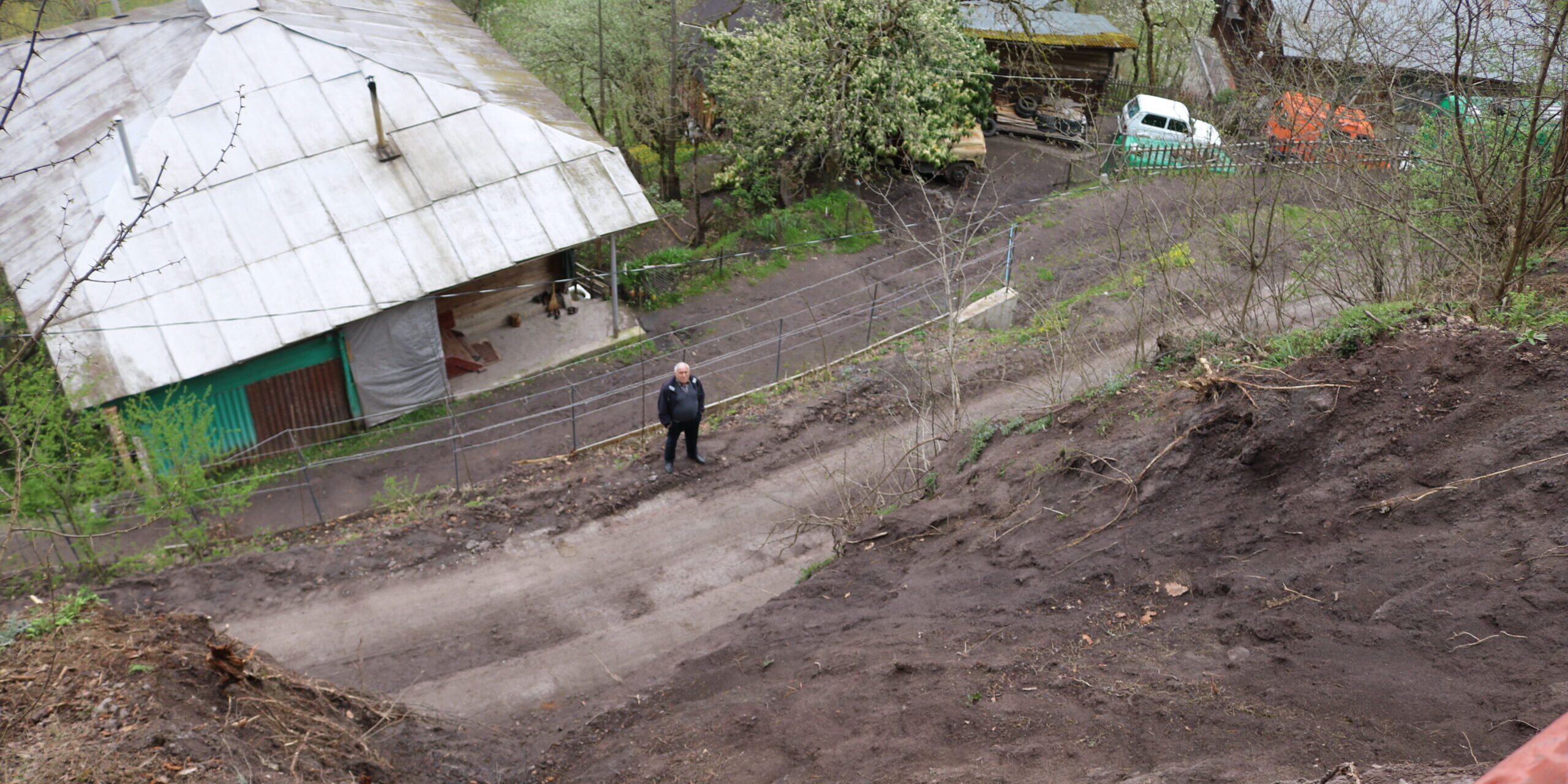
The cracks of Shuakhevi
May 5, 2021 | Read more
Water is leaking out of Shuakhevi hydropower plant’s recently reopened dam again. With three international financial institutions involved, who’s responsible for the safety of this USD 420 million project?
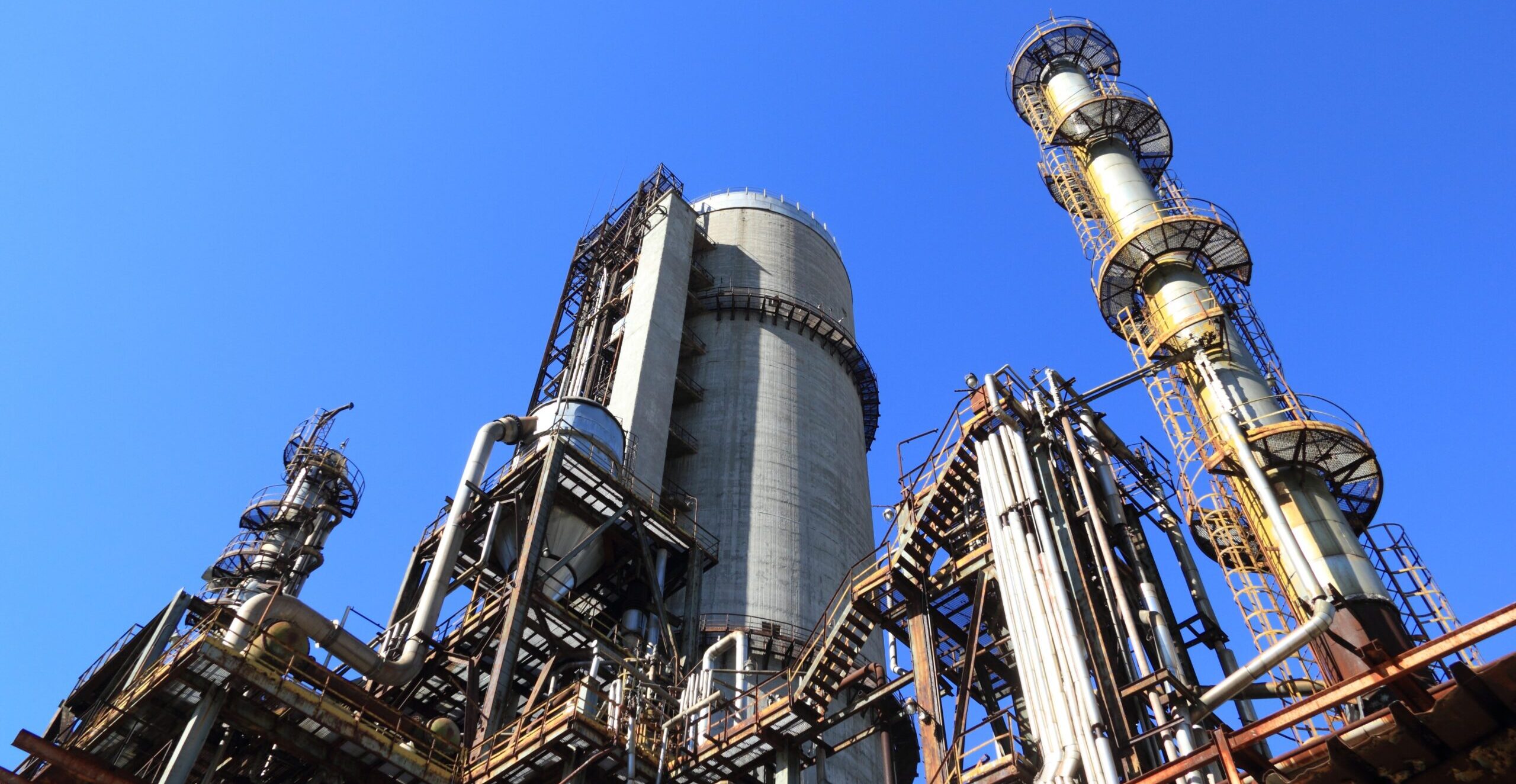
Rather than helping Uzbekistan realize its renewable potential, the Asian Development Bank’s programs there are undermining global climate goals.
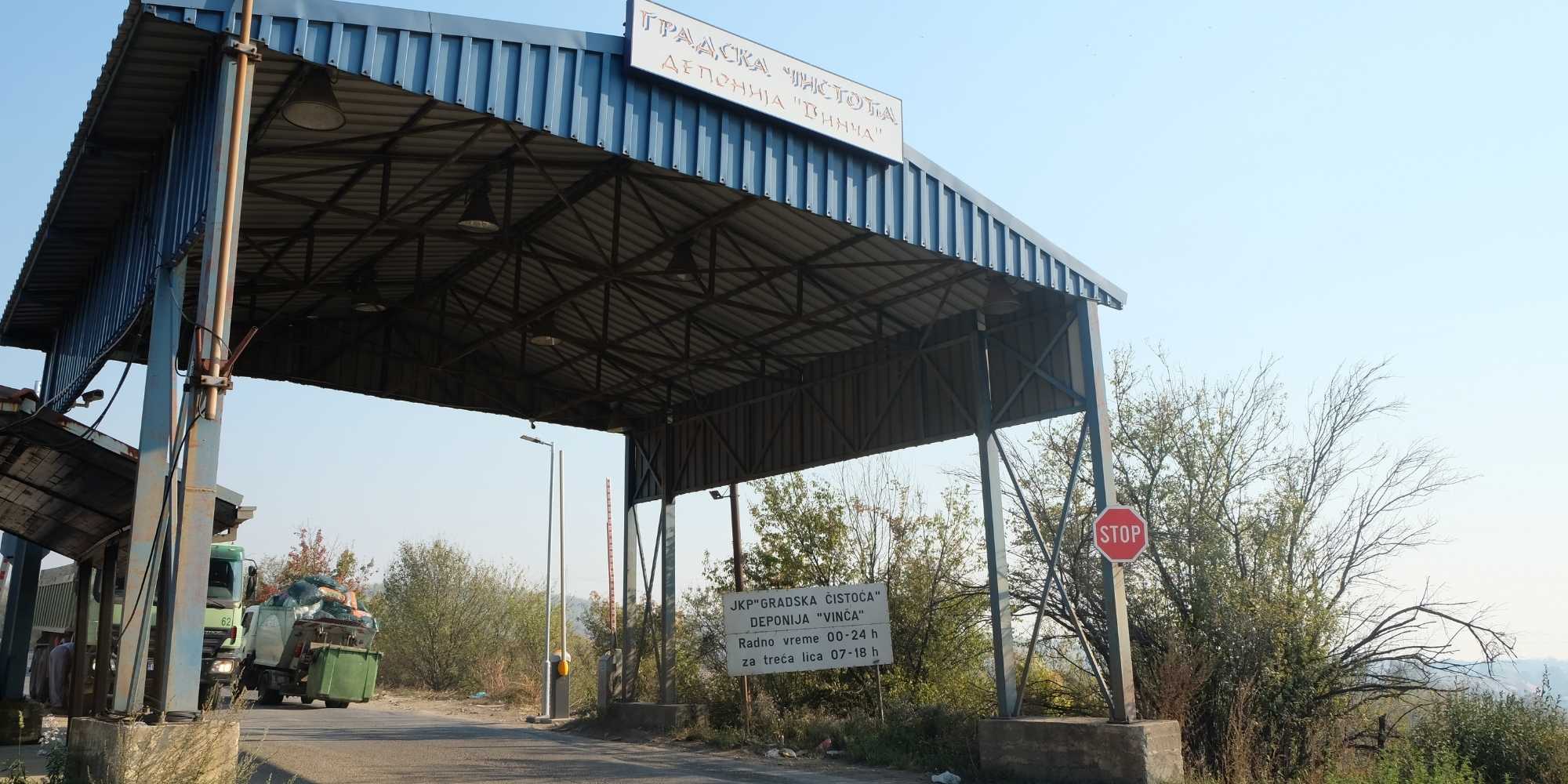
The EBRD’s accountability mechanism has launched a problem-solving initiative to negotiate issues of affordable housing, access to education and income generation for the Roma families that were evicted from the Vinča landfill. In the two years since the eviction, these issues were not addressed, so the EBRD’s mediators will facilitate a problem-solving process between this vulnerable group and the city of Belgrade.
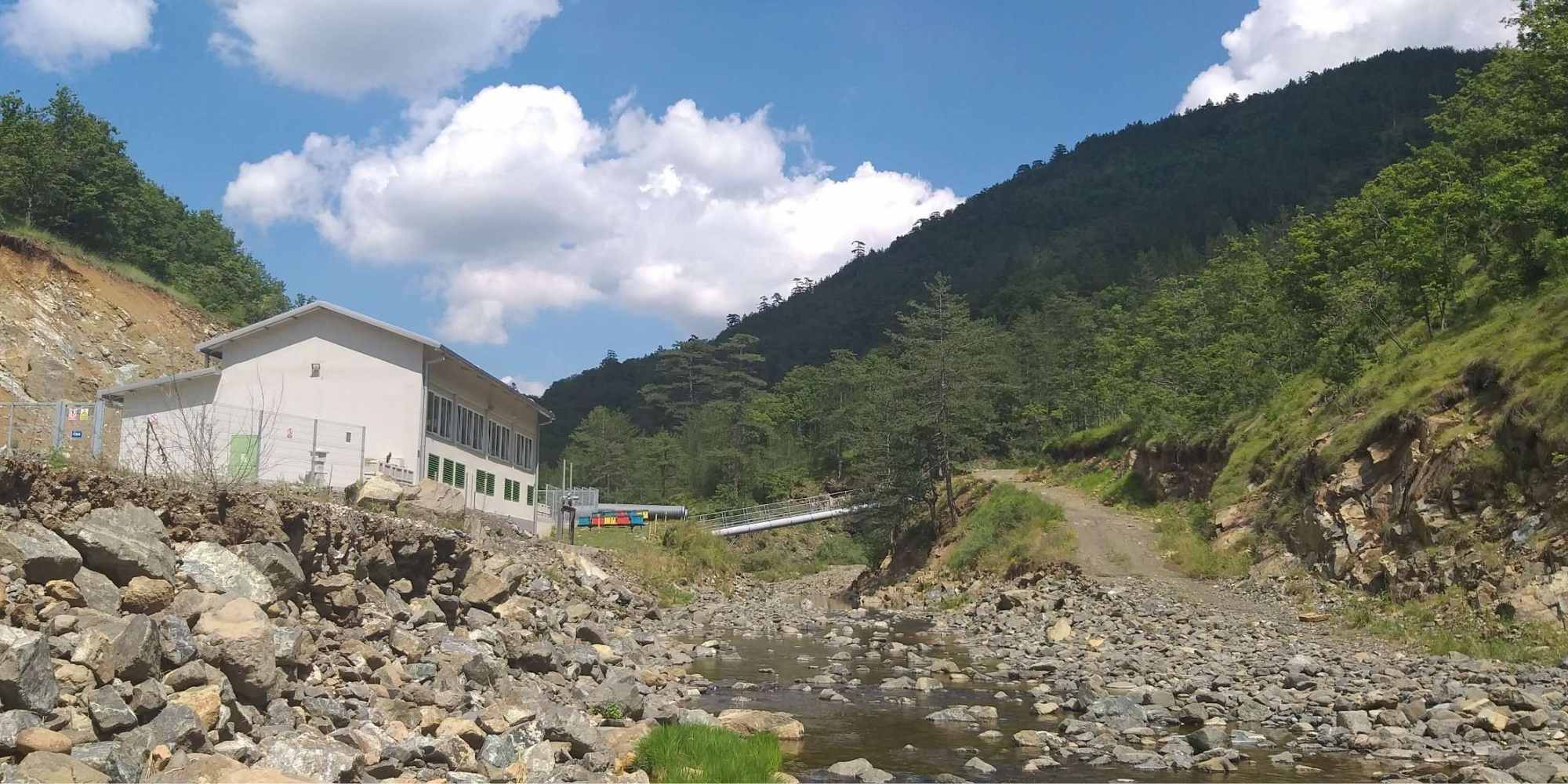
Projects financed by the EIB through secretive intermediary banks destroy 10 km of supposedly protected rivers for only 2 MW of energy.
Estonia has good intentions to use the recovery fund to become more resilient while supporting the green transition. However, these intentions are overshadowed by uncertainty and lack of scrutiny, as there is no publicly available strategic framework to bring all of the plan’s measures together, and many measures proposed could in fact undermine the European Green Deal.

