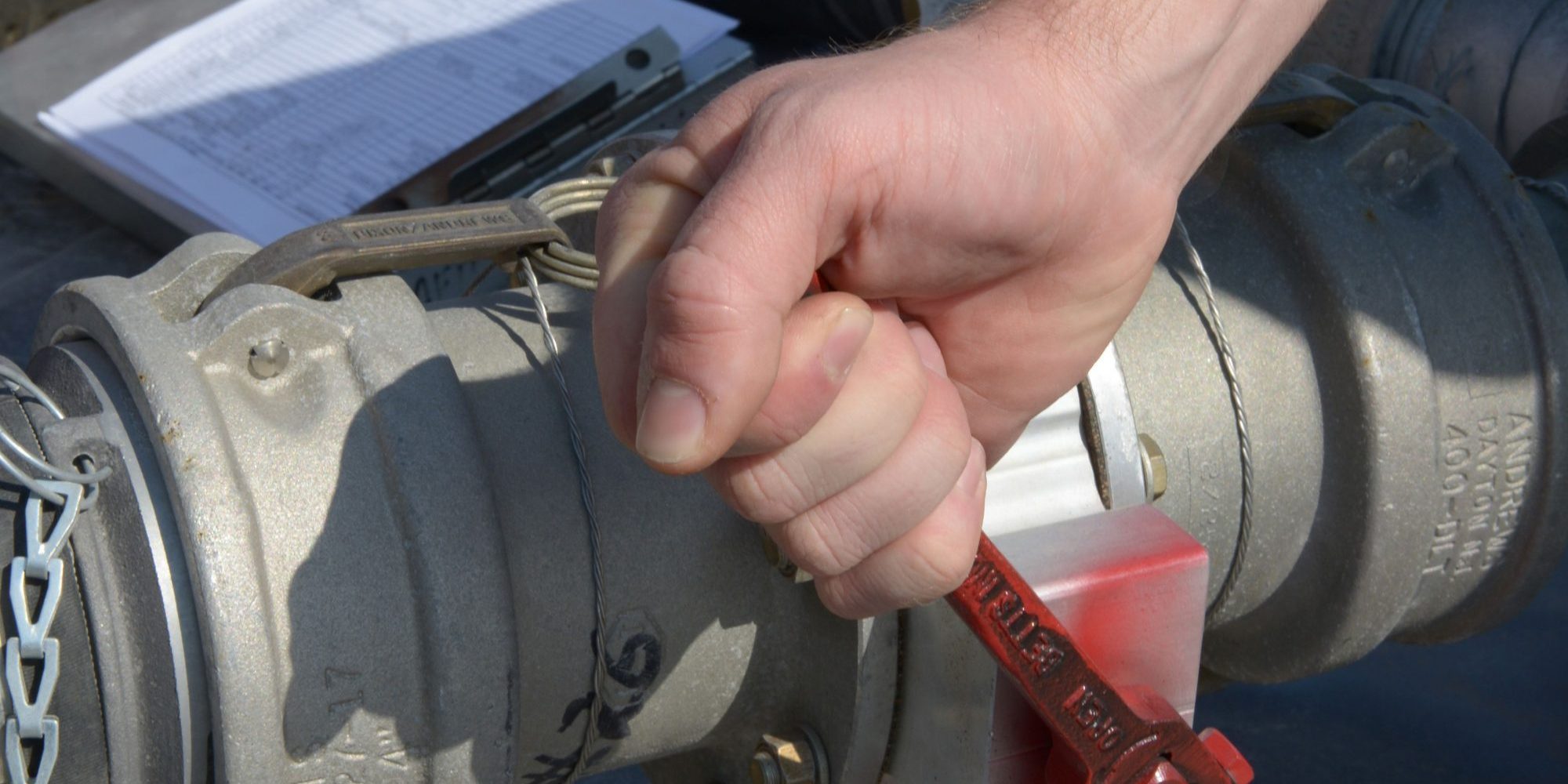
A half trillion euro subsidies scheme and part of the so-called Juncker Plan, the European Fund for Strategic Investment (EFSI) has been portrayed by its promoters, the European Commission and the European Investment Bank as a major success story, albeit with little evidence to back such claims.
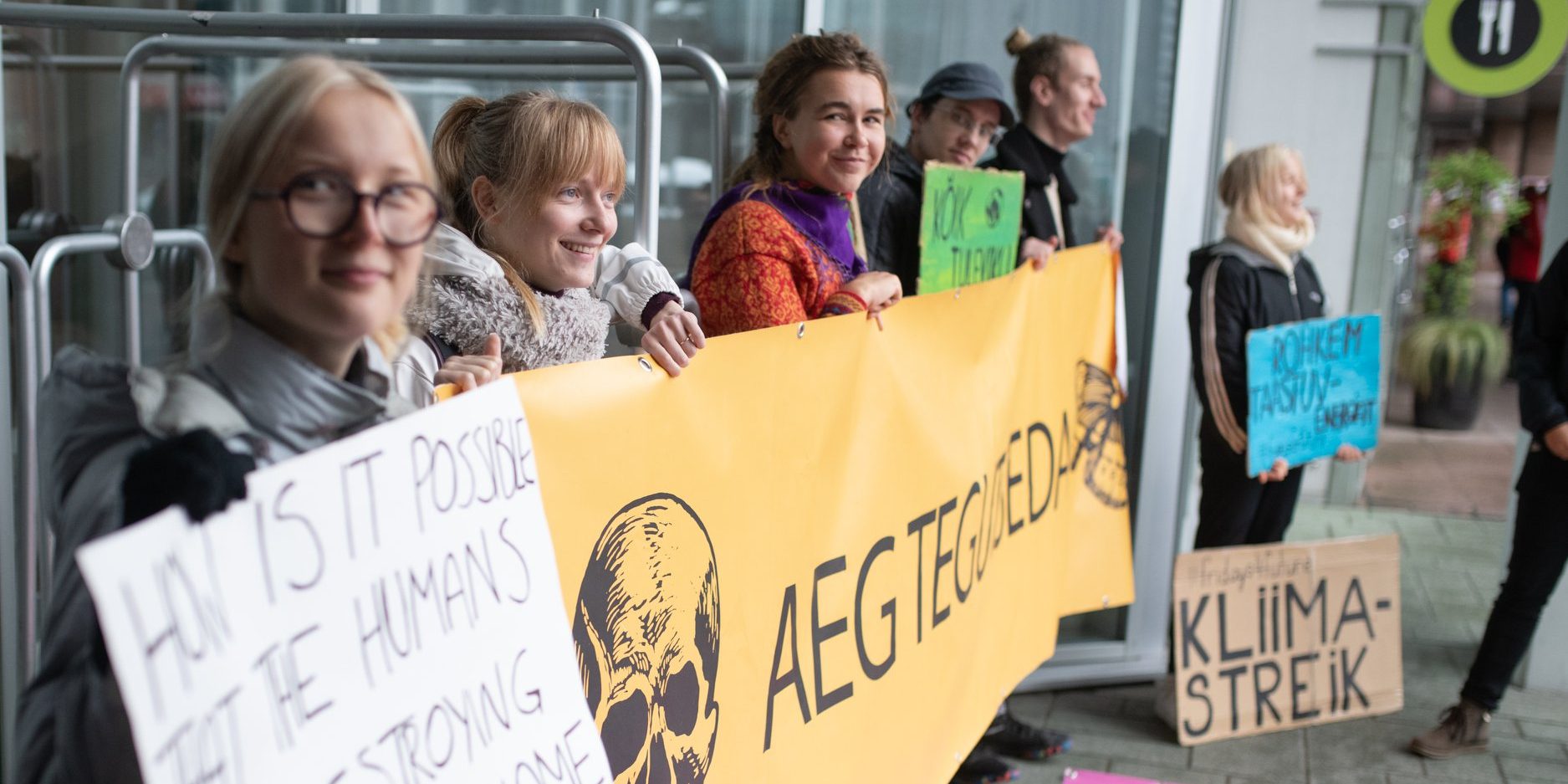
Climate neutrality or annihilation?
October 3, 2019 | Read more
Today’s announcement by Estonia to reach climate neutrality by 2050 rings hollow given the country’s plans to increase shale oil production.
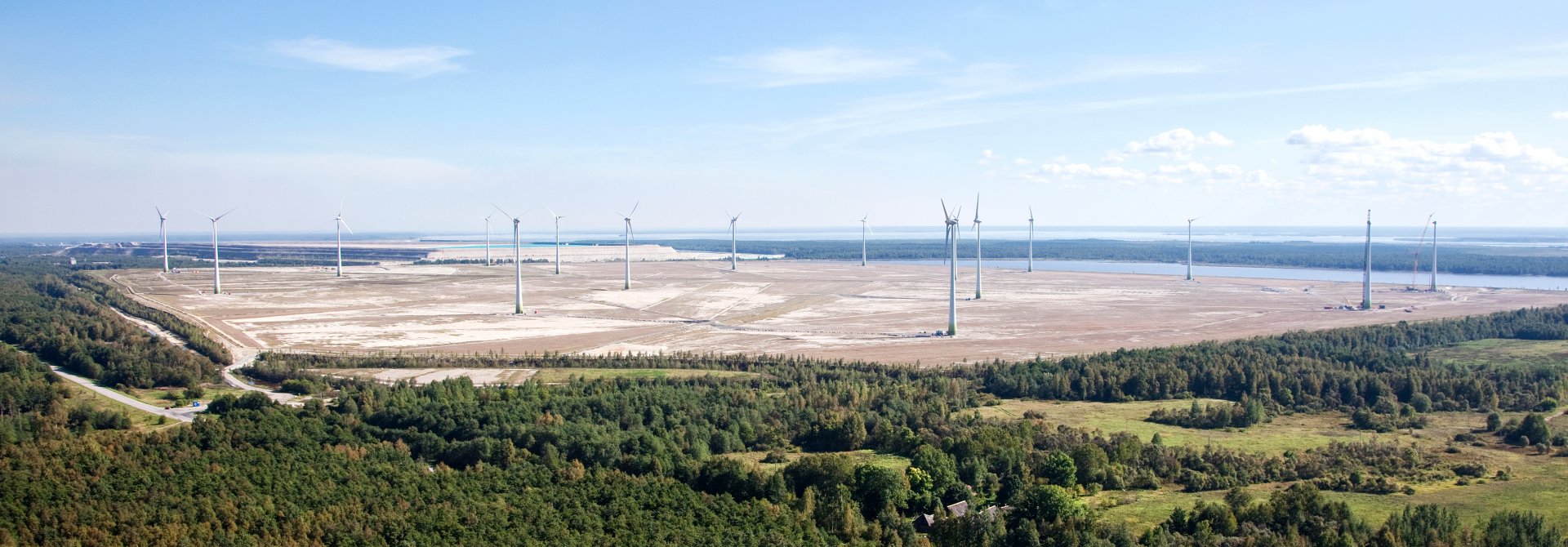
In Estonia, taming the IT tiger
September 26, 2019 | Read more
In parallel to the UN Climate Summit, Bankwatch sends our experts on Just Transition to Estonia to share with locals the experience from coal mining countries that have started to develop action plans for regions that would need to go through re-development due to coal phase-out.
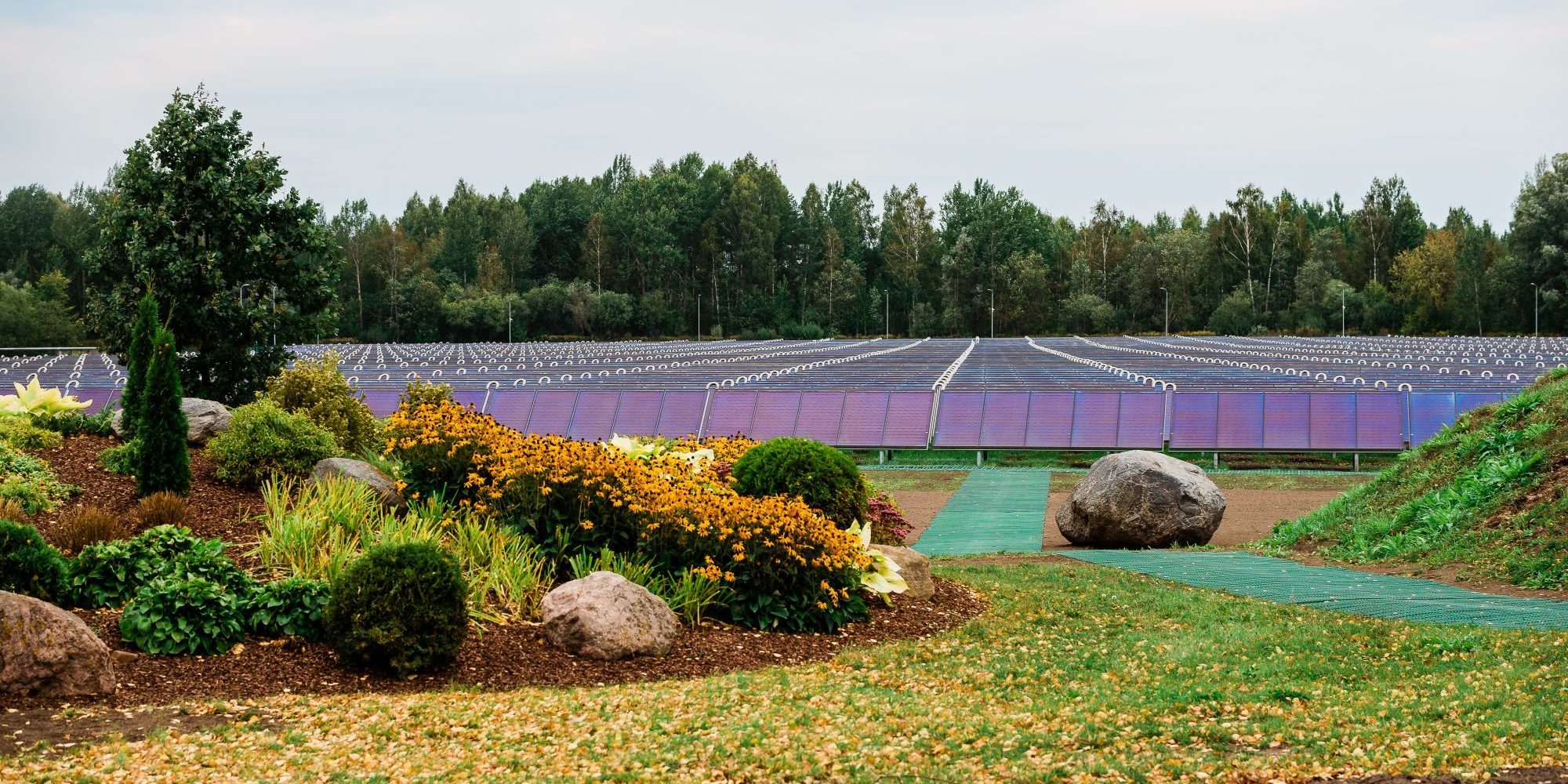
First large-scale solar district heating plant in the Baltics opens in Latvia
September 24, 2019 | Read more
In the town of Salaspils, Latvia, the sun will now provide most of the energy for heating water during warm months.

Strike! Bankwatch and Fridays for future
September 20, 2019 | Read more
Beginning September 20, millions of people across the globe will be joining the #GlobalClimateStrike week of action, showing political leaders that people everywhere want no more excuses and bad faith – action on climate should happen today and be radical.
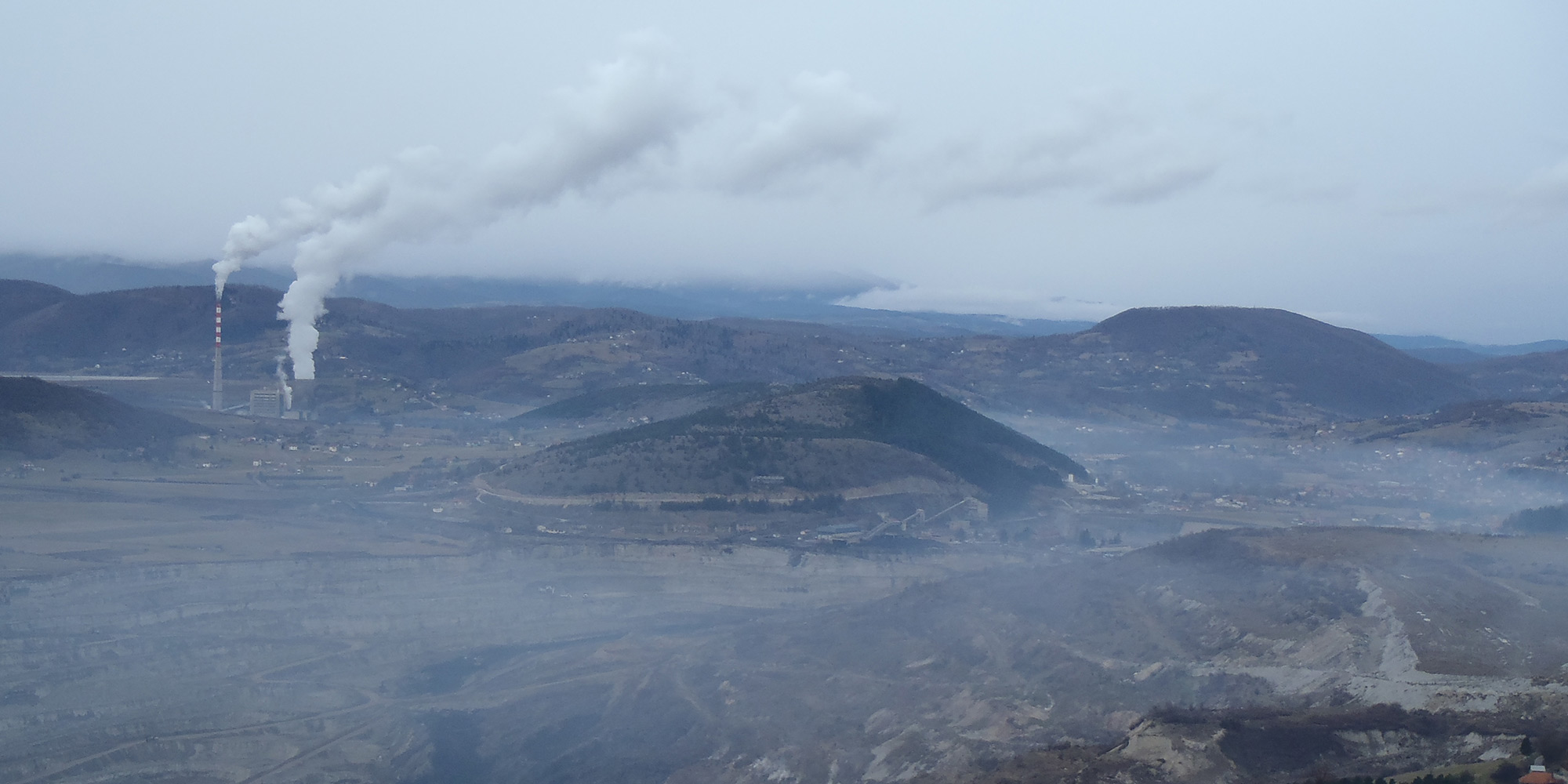
Montenegro finally cancels Pljevlja II coal power plant
September 18, 2019 | Read more
Montenegrin Premier Duško Marković announced that the Government is no longer pursuing the planned Pljevlja II lignite power plant, making Montenegro the first Western Balkan country to officially cancel a new coal project.

