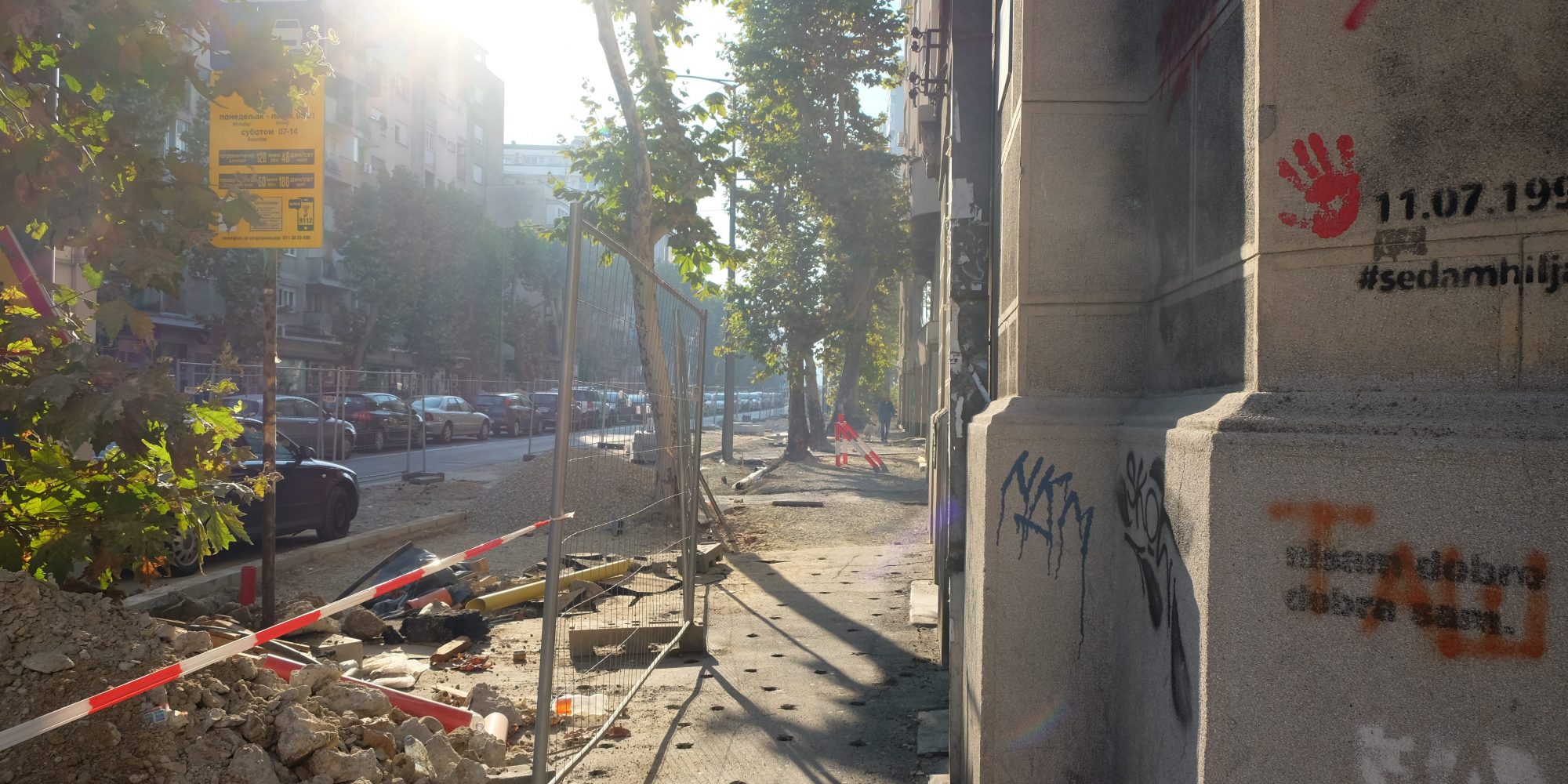
A walk on the wild side
November 18, 2019 | Read more
The EBRD-financed Green Boulevard project in Belgrade, Serbia, has long attracted criticism from groups like Streets for Cyclists, who have pointed out that it will include no cycling lanes, and will slow down public transport by letting cars drive on the tram tracks. But now it is under construction, a whole new slew of problems have come up.
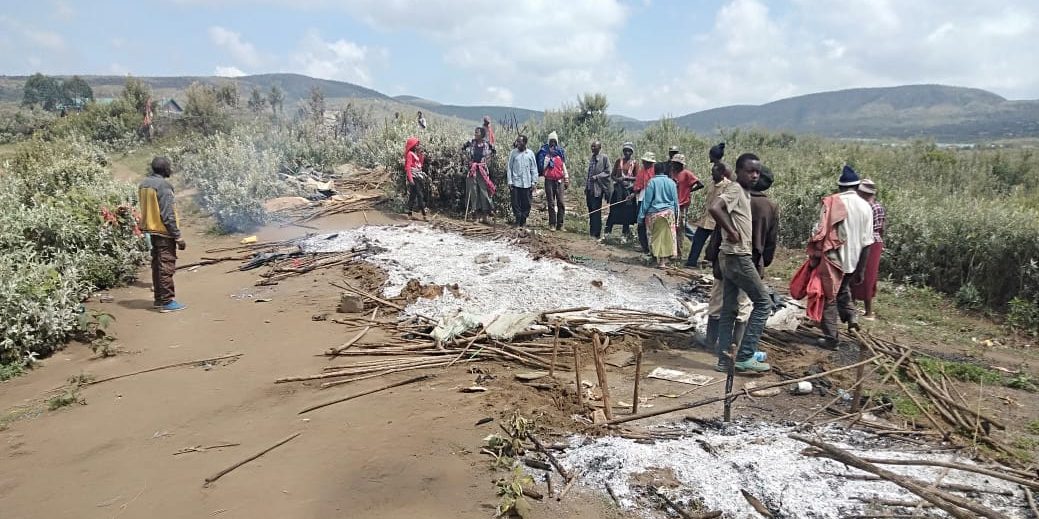
The geothermal power plant Akiira 1 in Kenya’s Nakuru county is planned to be built nearby the place the village of Lorropil used to stand until last Sunday.
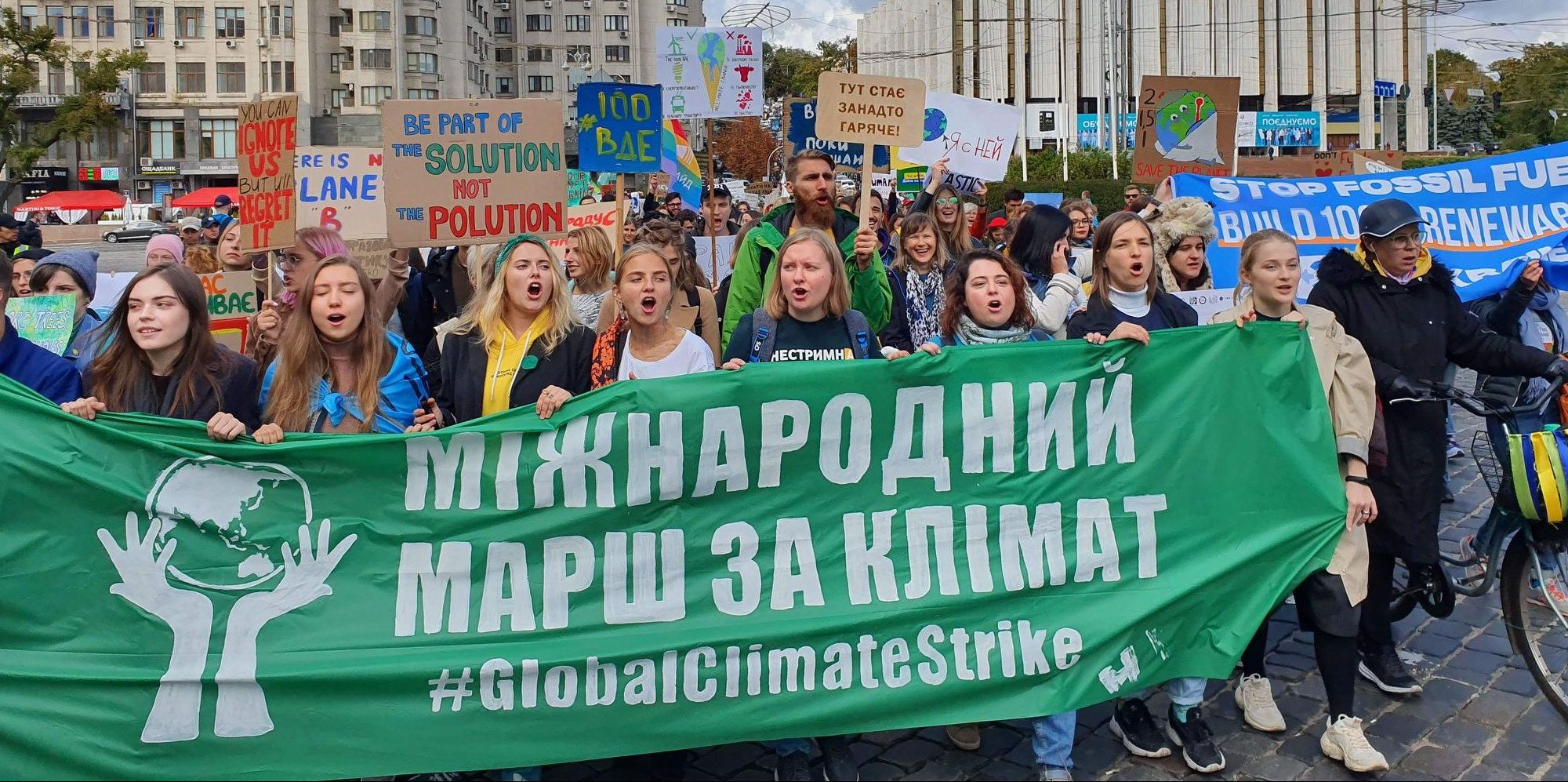
Calls for climate action grow louder throughout central eastern Europe
October 21, 2019 | Read more
In late September, as part of the Global Climate Strike, an estimated 7.6 million people took to the streets to demand climate action. In central and eastern Europe, this mobilization likely signals important momentum, not least about the prospects of an energy transitions in each of the countries.
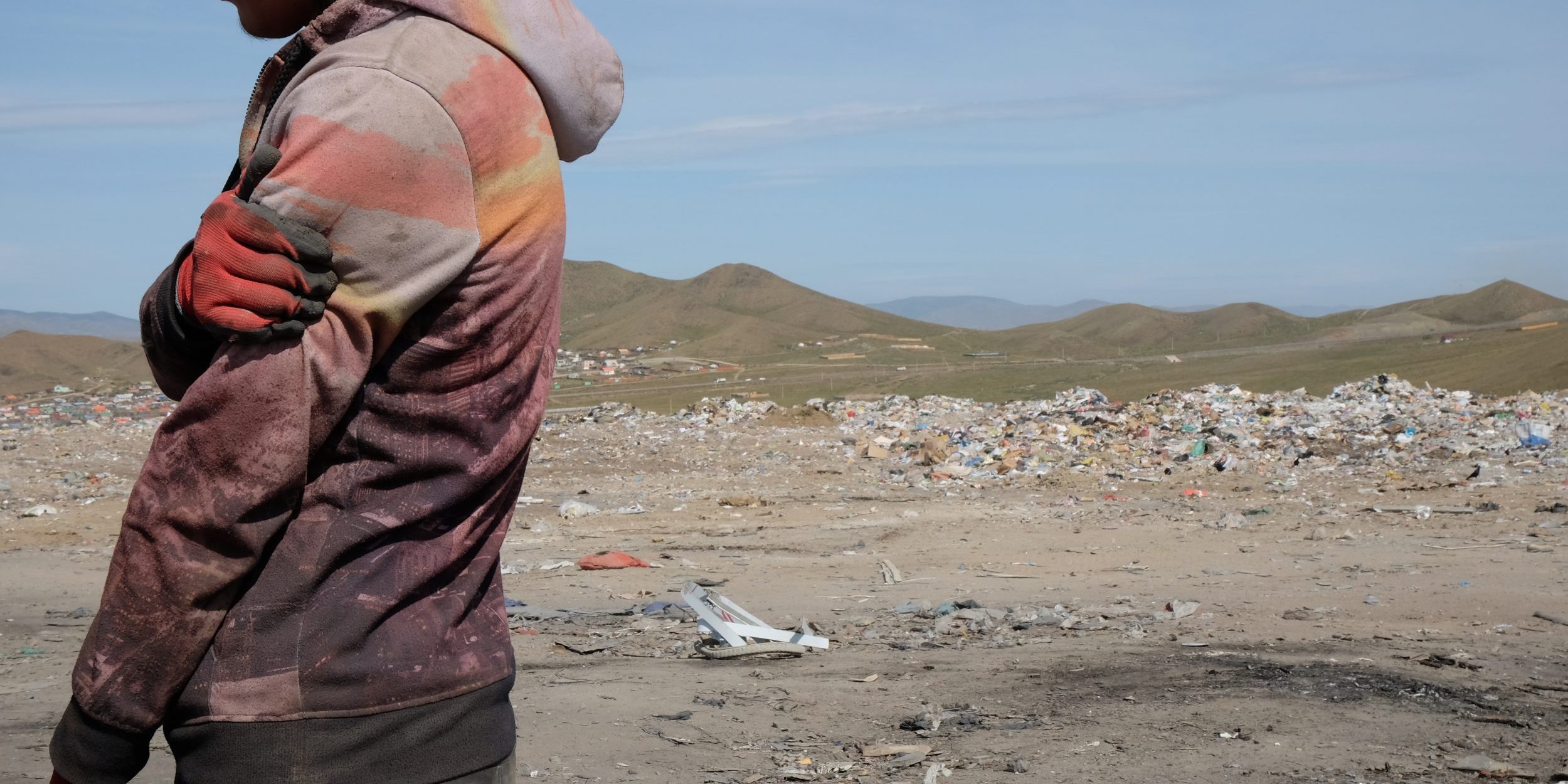
Ulaanbaatar is growing, fast. The Mongolian capital has added several hundred thousand people in recent years, many of whom are abandoning the countryside and traditional forms of subsistence herding to pursue opportunities in the city. But the rush to the city is placing pressure on infrastructure like housing, transportation and other essential services.
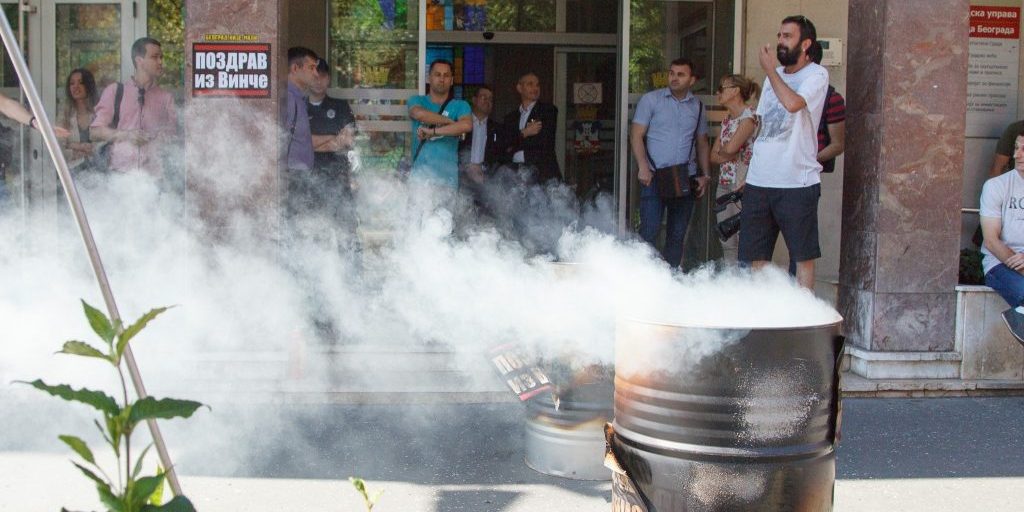
The Ne Davimo Beograd initiative has this week challenged a decision by the Ministry of Mining and Energy to grant feed-in tariffs to Beo Čista Energija d.o.o. for the planned Vinča waste incinerator in Serbia, to be financed by the EBRD, IFC and Austrian development bank OeEB.
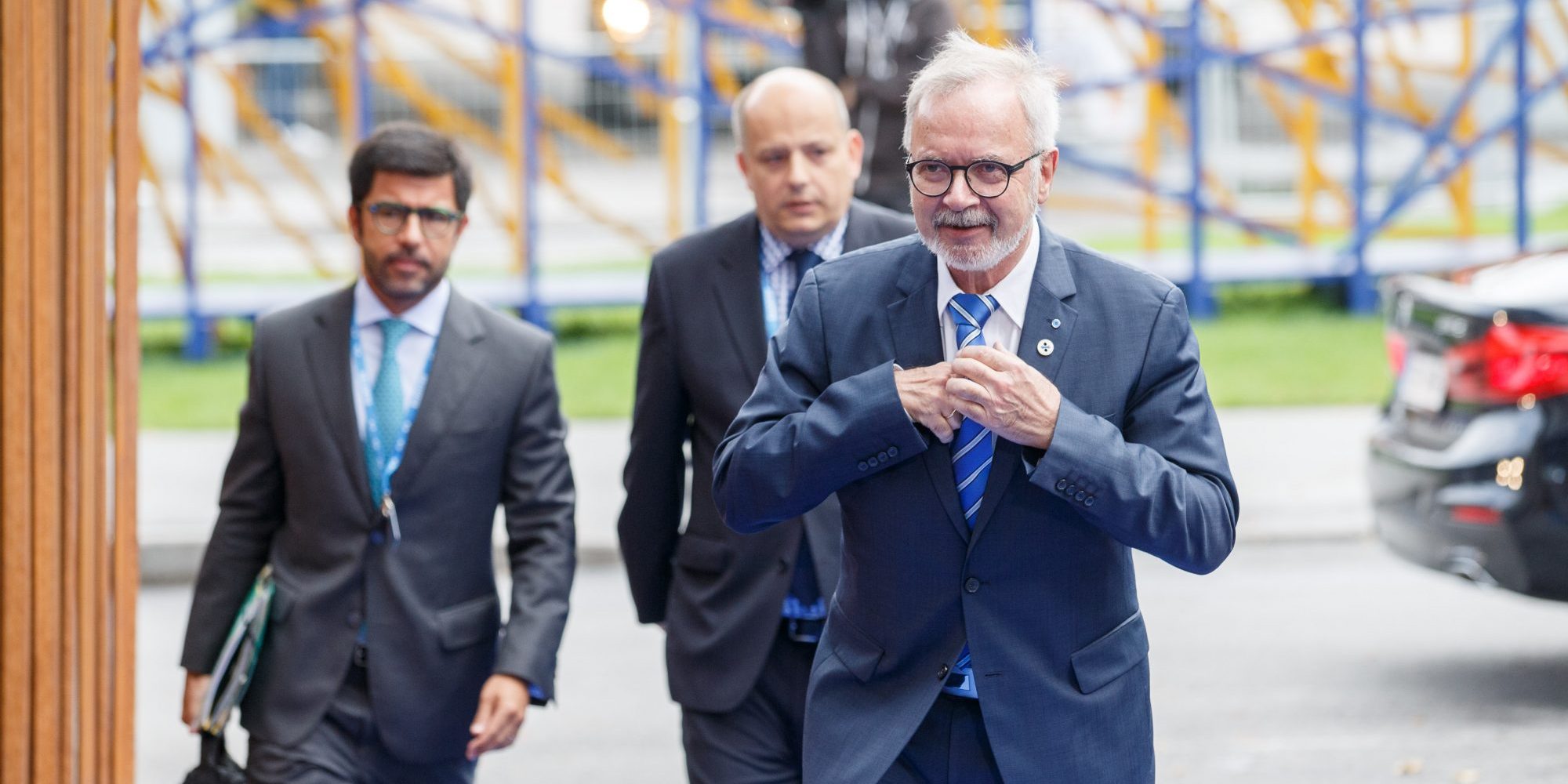
European Commission criticises the EIB’s role as a development bank
October 11, 2019 | Read more
The European Commission recently published an evaluation of EIB development operations under its External Lending Mandate during the period 2014-2018. The Commission’s findings confirm our previous assessments and repeated calls for improvements in the fields of transparency, human rights due diligence and development impacts of EIB projects.

