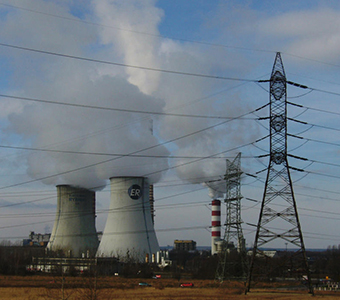
Groups petition Polish government to drop permit for Europe’s largest planned coal plant
Blog entry | 26 August, 2013On Monday Polish NGOs Client Earth, Workshop for all Beings, Greenpeace, WWF and local community group Eco-Kociewie petitioned the General Director of Environmental Protection to cancel the environmental impact assessment permit for the Polnoc Power Plant in northern Poland.
Read more
All eyes on the EBRD – will it go coal free?
Blog entry | 14 August, 2013In case you missed it, the tectonic plates just shifted in the world of international financial institution (IFI) energy lending.
Read more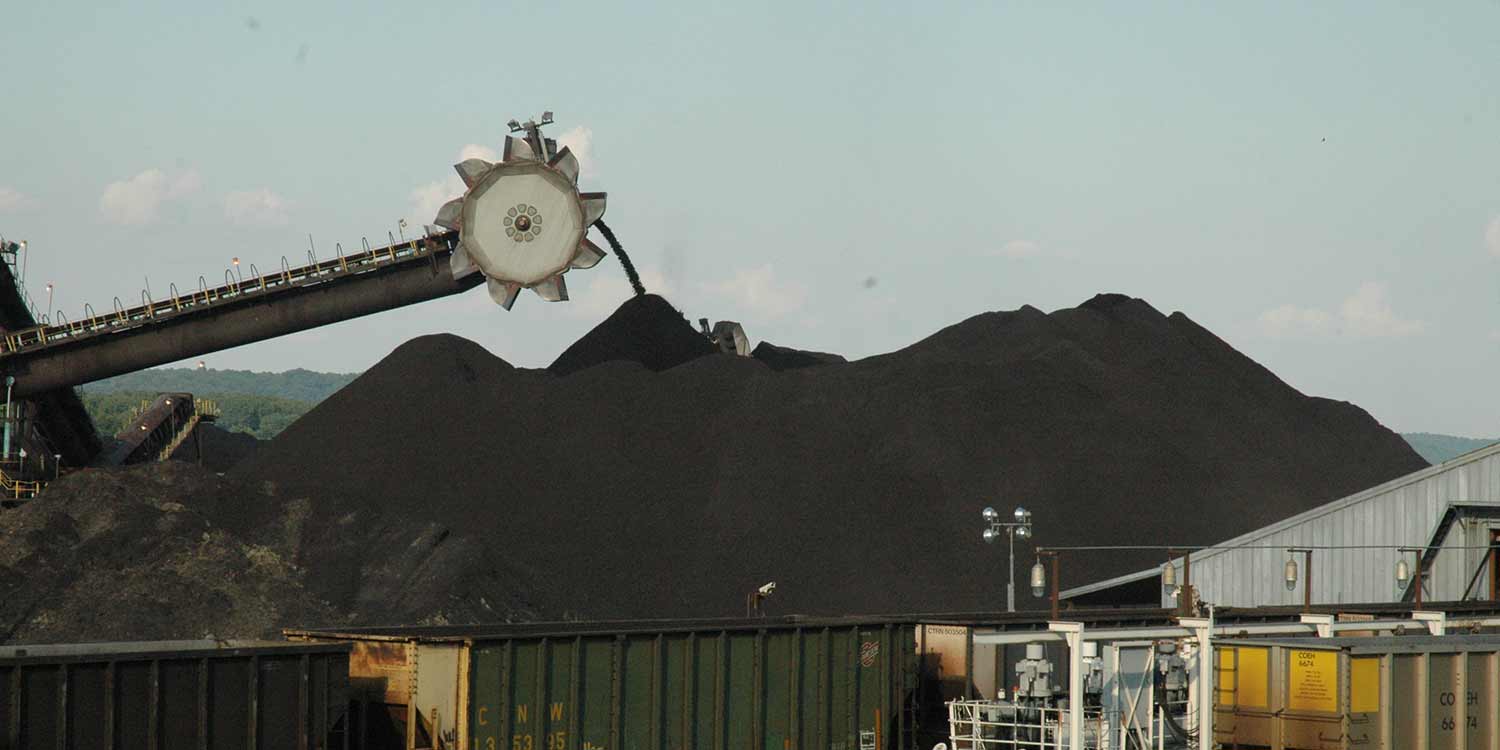
The EIB finally limits coal lending
Blog entry | 1 August, 2013For the last couple of years, we have been calling on the European Investment Bank to drop coal lending. Finally, we’re starting to see some results.
Read moreKyrgyzstan and the conflict over natural resources
Publication | 29 July, 2013Kyrgyzstan is a mountainous country rich in water and natural resources. The country is one of 2000 priority ecological regions of the planet with unique ecosystems and biodiversity and is considered the “water tower” of Central Asia due to its Tien Shan glacier reserves. The management of Kyrgyzstan’s natural resources is crucial to the future sustainability of the country. However in a region where poverty is widespread, the primacy placed on economic development seriously threats sustainability.
Read more
[Campaign update] EBRD not digging for truth at the Kolubara mine, Serbia
Blog entry | 26 July, 2013By putting too much trust in its client EPS, the EBRD failed to notice that an important grievance mechanism for villagers near the mine was not in place – for two years. [*]
Read morePolicy briefing: New draft energy (read oil, gas and coal) strategy at the EBRD
Publication | 24 July, 2013The EBRD’s draft energy strategy doesn’t have a climate target. It recognizes the urgency of climate action and the fact that the energy sector is the largest greenhouse gas emitter and places energy efficiency and renewable energy at the core of the transition to low carbon economies. The low carbon transition appears to be a central theme of the draft strategy but when it comes to the fossil fuels sector, it only translates into a potential slight reduction in coal investments.
Read more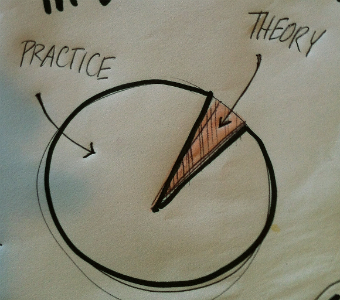
PPPs “poor in practice” admits new EBRD-financed study
Blog entry | 22 July, 2013Despite collecting impressive evidence from 20 years of failed public-private partnerships in central and eastern Europe, an EBRD-financed study by the Economist Intelligence Unit concludes to continue using the controversial financing scheme.
Read moreThe EBRD plans more climate damaging loans in new energy policy draft
Press release | 22 July, 2013London – The European Bank for Reconstruction and Development (EBRD) published July 19 a draft (pdf) of its future energy policy. According to CEE Bankwatch Network, although the bank correctly depicts the urgency of transitioning towards low-carbon economies, it falls short when it comes to commitments: lending to fossil fuels is envisaged to continue, including for coal, the dirties of fossil fuels; and promises to support renewables and energy efficiency, though welcome, are not accompanied by persuasive benchmarks and timelines.
Read more
New facts are busting energy myths
Blog entry | 18 July, 2013Adequate decision making on energy policies must be based on accurate information and cannot rely on outdated knowledge and misconceptions. A new series of fact sheets explores the myths and facts of Europe’s energy sector.
Read more
