
January 10, 2014 | Read more Six months after the Egyptian army deposed Egypt’s first freely elected president, the weak democratic signals by the authorities are overshadowed by widespread repression. How can the European Bank for Reconstruction and Development possibly help under these circumstances? Or put differently: Will the limited benefits to the country’s private sector from EBRD engagement really be enough to outweigh the harm done by the bank’s support for an undemocratic regime?

December 19, 2013 | Read more On December 18 the EBRD board of directors approved a loan of USD 50 million to finance a project aimed at the expansion of oil operations and reducing gas flaring in Egypt. Yet the tenuous political situation in the country continues to raise concerns about the bank’s ability to make a positive contribution towards the democratic process, and whether it should be investing there at all.

December 13, 2013 | Read more At a closer look the EBRD’s new energy strategy, complimented for the restrictions it places on coal lending, reveals a shocking lack of operational knowledge to implement the ambitions outlined in its executive summary.

December 10, 2013 | Read more The European Bank for Reconstruction and Development (EBRD) approved today during a vote of its Board of Directors a new Energy Strategy. The document is meant to give guidance on how to strategically use the bank’s resources over the next years to promote energy security and affordability and avoid dangerous climate change.
December 9, 2013 | Read more The European Bank for Reconstruction and Development has been approving financing for coal projects over which corruption allegations loom, and in some cases even while official corruption investigations were underway, according to an analysis published by CEE Bankwatch Network today.
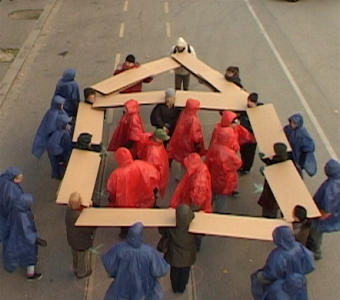
December 6, 2013 | Read more With only a few weeks to go now until final crucial decisions are taken that will determine Hungary’s EU spending plans for the next seven years, Bankwatch’s Hungarian member group MTVSZ decided last week that it was about time the Hungarian government got its house in order when it comes to beneficial EU allocations for cutting domestic energy bills, stimulating the Hungarian economy and fighting climate change.
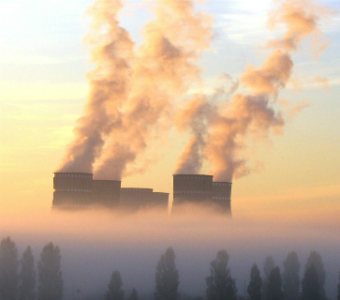
December 4, 2013 | Read more On November 28, the state nuclear regulator of Ukraine (SNRIU) allowed the continued operation of unit 1 of the South Ukrainian nuclear power plant (SUNPP-1) until December 2, 2023 – 10 years beyond its technically designed lifetime. The decision not only constitutes a breach of national regulation, but also disregards an unresolved case of non-compliance with the UN Espoo Convention. All this while Energoatom is in an increasingly tight financial situation.

December 3, 2013 | Read more Is the EBRD deliberately dragging its feet on publishing investigation reports on large hydropower plants in Georgia, Macedonia and Croatia?

November 25, 2013 | Read more Adding to the ongoing febrile atmosphere in the country, Egypt’s military-backed authorities just yesterday passed a controversial new law that imposes draconian restrictions on public protest. Meanwhile, in recent weeks the European Bank for Reconstruction and Development has reconfirmed its intention to remain active in the country – despite a number of serious doubts still hanging over its potential impact.
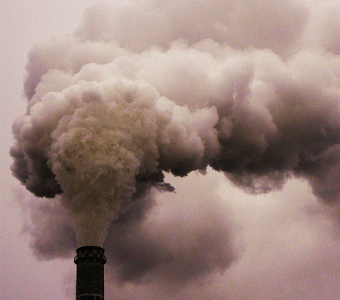
November 25, 2013 | Read more Bucharest — As the China – Central and Eastern European Countries summit gets underway today in Bucharest, NGOs from across the CEE region have written to Chinese Premier Li Keqiang calling on him to support renewable energy and energy efficiency investments, instead of the series of coal projects currently planned across eastern and south-east Europe.
Stay informed
Receive our monthly overviews of the latest developments on the ground.

