Boskov most hydropower plant, North Macedonia
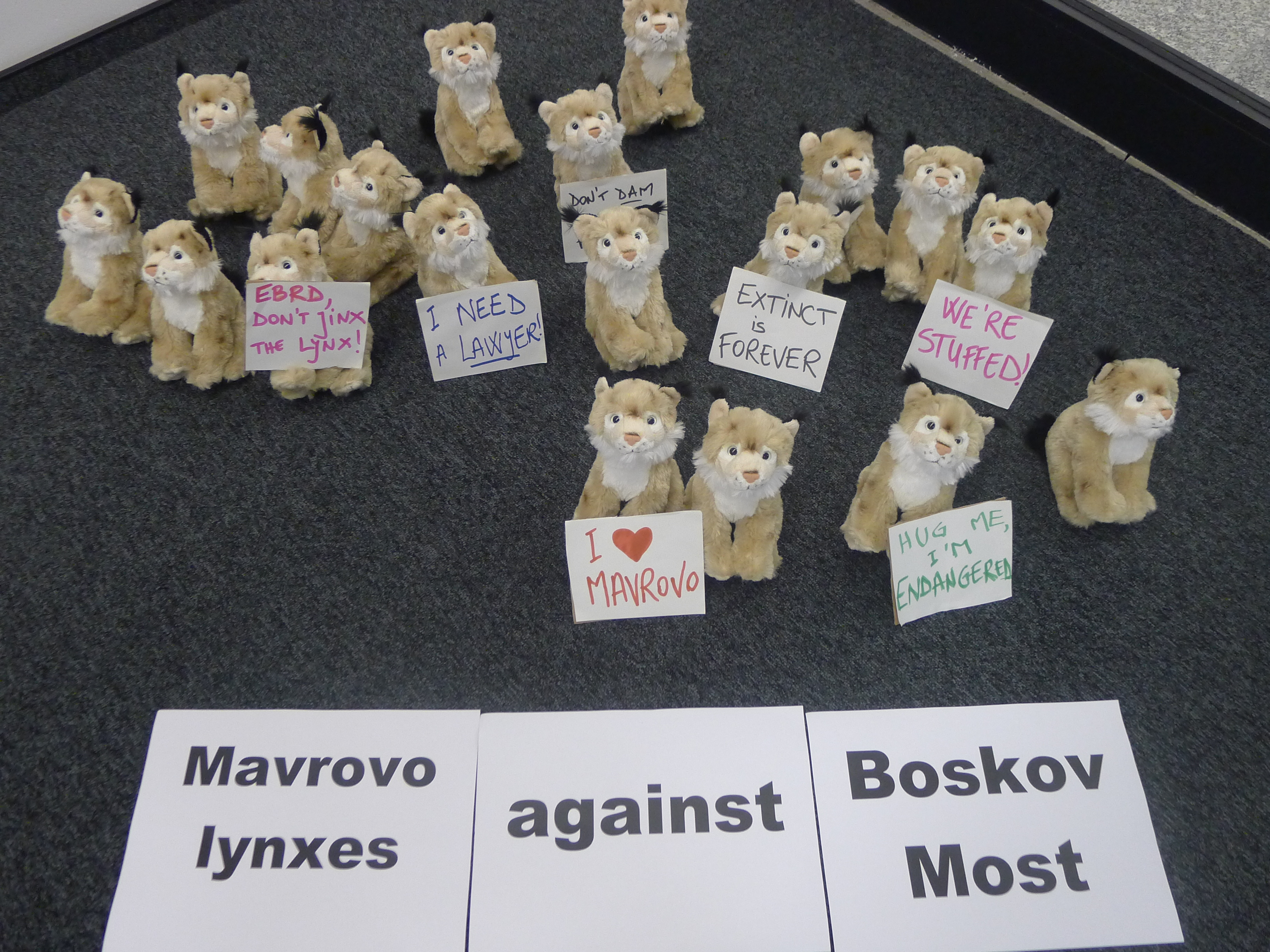
Boskov Most was one of 18 hydropower greenfield projects planned by the North Macedonian government in the Mavrovo National Park. After five years of campaigning, we convinced the European Bank for Reconstruction and Development about the folly of this project and to cancel its EUR 65 million loan. Without its major source of funding, the project lost steam and was discontinued.
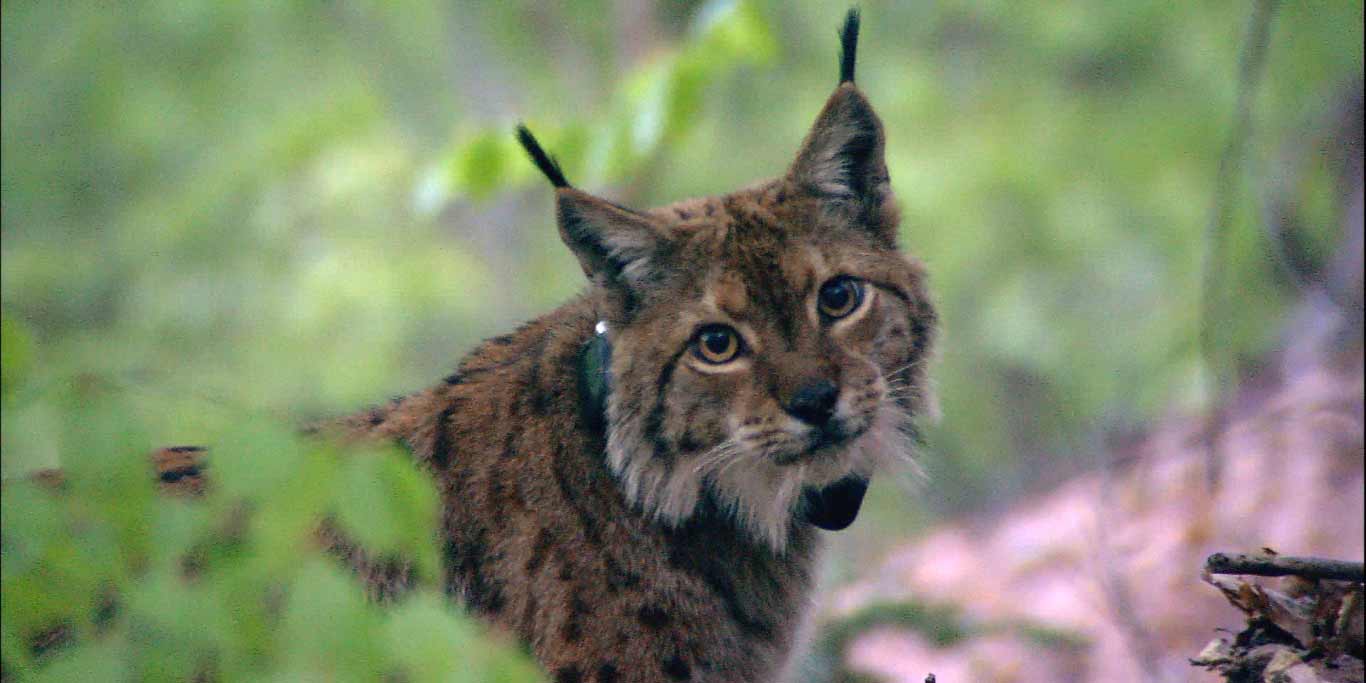
Hydropower development in Mavrovo threatened already critically endangered Balkan Lynx. Photo: Dime Melovski ©
Stay informed
We closely follow international public finance and bring critical updates from the ground.
Background
The Boskov Most HPP was planned to enhance domestic electricity supply, but if it had been built, it would have done so at a devastating cost to the environment.
The project involved the construction of a 68 MW hydropower plant, reservoir and a 33-meter-high accumulation dam in one of Europe’s oldest national parks at Mavrovo.
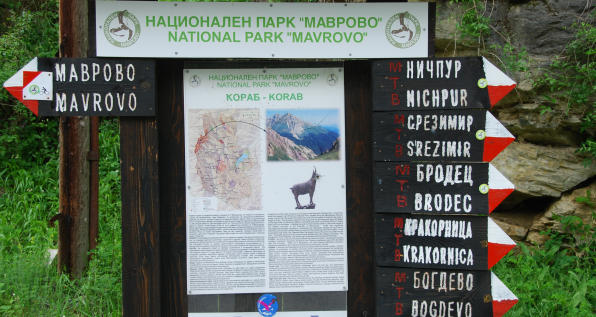
Mavrovo is a protected area renowned for its beech forests, alpine meadows, pristine rivers and streams. It hosts a vast number of unique species, including the critically-endangered Balkan Lynx.
“National parks are areas set aside to protect large-scale ecosystems from human interference. As such, they are absolute no-go areas for large-scale dams or any other destructive forms of land use.”
Letter of concern over the Boskov Most HPP from scientists to the EBRD
The Boskov most camaign wins the Goldman prize
Ana Colovic Lesoska has been awarded the 2019 Goldman Environmental Prize for Europe for leading this multi-year ampaign in Mavrovo. Given annually to environmental heroes from around the world, the Goldman honors the achievements and leadership of grassroots environmental activists globally.
FEATURED
Gross underestimation of costs
The state owned electric power utility AD Elektrani na Makedonija (ELEM) backed the project with the support of international public finance.
In 2011 the European Bank for Reconstruction and Development (EBRD) pledged a EUR 65 million loan and a EUR 18 million equity investment in ELEM, before finally pulling out in 2017.
In addition to the EBRD’s financing for Boskov Most, the World Bank considered a USD 70 million support for the Lukovo Pole hydropower plant.
Nearly 200 internationally renowned scientists opposed the project in an open letter to the EBRD, and 100 000 people signed a petition against the project.
In total, an area of 4 400 hectares of natural habitats would have been directly affected by the Lukovo Pole and Boskov Most projects.
Independent reviews flagged incompliance
The EBRD’s involvement in the project was an insufficient guarantee of sustainable planning. In January 2014, after a complaint from Eko-svest in 2011, an independent review found that the bank failed to adequately assess impacts to biodiversity.
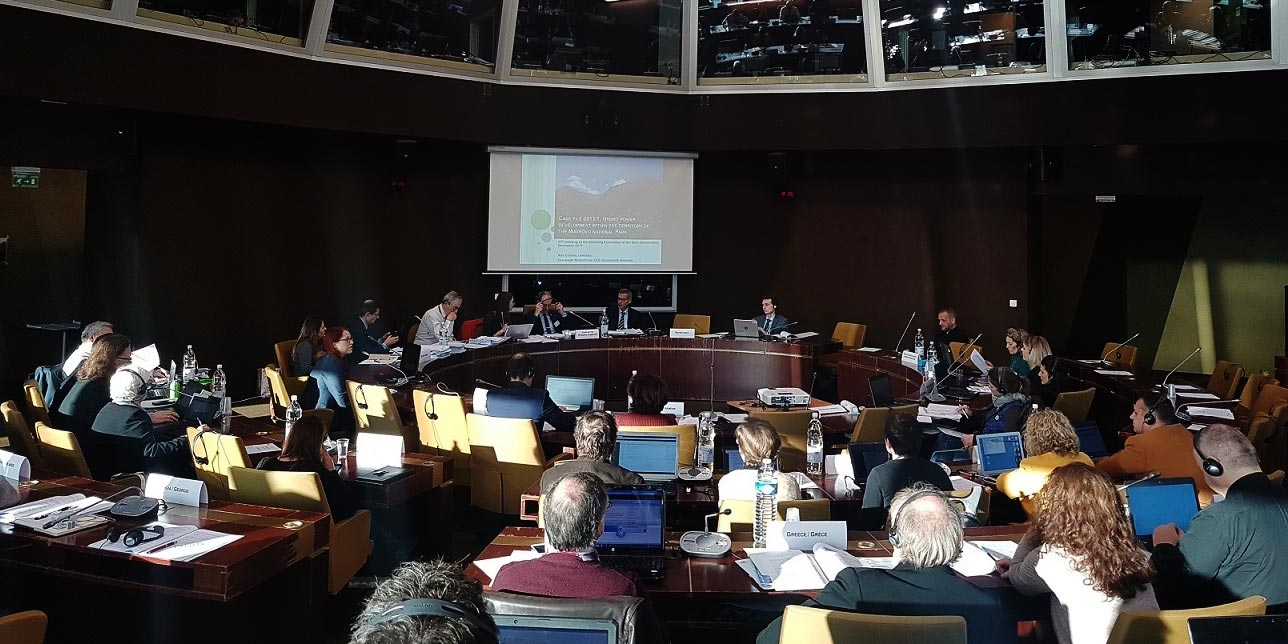
In addition, the Bern Convention, which oversees nature conservation in Europe, decided to examine whether North Macedonia had made the necessary efforts to protect wild flora and fauna when planning hydropower projects in Mavrovo. It concluded that Boskov Most and other planned hydropower projects in the park would have violated national and European nature protection legislation, which bans the development of this infrastructure in habitats with high ecological status.
The beginning of the end
In 2015, the Standing Committee of the Bern Convention called on the North Macedonian government to stop all construction projects inside the national park and to conduct an extensive environmental impact assessment.
Just a few days after the Bern Convention decision and following protests in front of its offices across the world, the World Bank withdrew its funds from the Lukovo Pole project.
At the time, the EBRD suspended its loan, stating the Bern Convention’s recommendation. A year later, it canceled its loan for Boškov Most as well.
The hydropower folly dealt a final decisive blow when the North Macedonia’s government removed both the Boskov Most and Lukovo Pole projects from the strategic documents for the energy development of the country.
Latest news
Georgian Ministry of Energy orders use of force against local protesters who fear landslides from hydro construction
Blog entry | 14 March, 2014Last weekend, the Georgian Ministry of Energy and Natural Resources again left no doubt about where its main interests lie: enforcing the massive exploitation of Georgia’s hydropower potential despite and against people’s concerns and if necessary by use of force.
Read morePromoters of mega-dam in Georgia use front group and PR campaign and discredit local community
Blog entry | 27 February, 2014Georgian public opinion backs the village of Kaishi in the Georgian mountains that defiantly defends its land and tradition against the planned Khudoni dam. The project promoters have now embarked on an all-out promotion campaign including a fake non-governmental organisation.
Read moreGeorgian hydro projects are a test case for the EBRD’s good governance policies
Blog entry | 12 February, 2014As activists pointed out at a consultation meeting in Tbilisi, Georgia’s hydropower sector has plenty of lessons to be learned by the European Bank for Reconstruction and Development.
Read moreRelated publications
Clear rules on nature and water benefit renewable energy development and biodiversity: Joint civil society position paper on the inclusion of the EU Habitats, Birds and Water Framework Directives in the Energy Community Treaty
position paper | 30 June, 2026 | Download PDFThis joint civil society position paper, supported by 78 civil society organisations, provides an insight into why it is crucial to include the relevant provisions of the EU Habitats, Birds and Water Framework Directives in the Energy Community Treaty.
Kungrad 1-3 wind power project, Uzbekistan
Policy comments | 11 March, 2025 | Download PDFKungrad is one of several large-scale renewable projects featuring extensive transmission lines slated for remote, wild areas in Central Asia – an alarming practice that hinders the sustainable energy transition.
How to interact with development banks lending to hydropower projects in Central Asia: A toolkit for civil society activists
Toolkit | 3 February, 2025 | Download PDFThis toolkit is aimed primarily at civil society organisations in Central Asia tackling the construction of dams or other unsustainable water infrastructure.

