• Skip to primary navigation
  • Skip to main content
  • Skip to footer

Bankwatch

  • About us
    • Our vision
    • Who we are
    • 30 years of Bankwatch
    • Donors & finances
    • Get involved
  • What we do
    • Campaign areas
      • Beyond fossil fuels
      • Rights, democracy and development
      • Finance and biodiversity
      • Funding the energy transformation
      • Cities for People
    • Institutions we monitor
      • European Bank for Reconstruction and Development
      • European Investment Bank
      • Asian Infrastructure Investment Bank
      • Asian Development Bank (ADB)
      • EU funds
    • Our projects
    • Success stories
  • Publications
  • News
    • Blog posts
    • Press releases
    • Stories
    • Podcast
    • Us in the media
    • Videos

Home > Beyond fossil fuels > Air pollution in the Balkans – independent monitoring

Air pollution in the Balkans – independent monitoring

Air pollution in the Balkans – independent monitoring

With our own air quality monitoring devices, we have managed to provide independent data on air quality in many selected sites in the Balkans, and have provided some local partners with data on the health impacts of short and long-term exposure to coarse particulate matter (PM10) and fine particulate matter (PM2.5).

In spite of growing evidence on air pollution from coal and increasing public anger in Balkan countries, and besides the declarative commitments from the Green Agenda for the Western Balkans, the European Commission, the Energy Community and the Balkan countries still do not treat air quality as a priority issue. Official air quality data is unreliable in most countries in the region and we suspect the monitoring systems are sometimes turned off or intentionally placed in irrelevant locations.

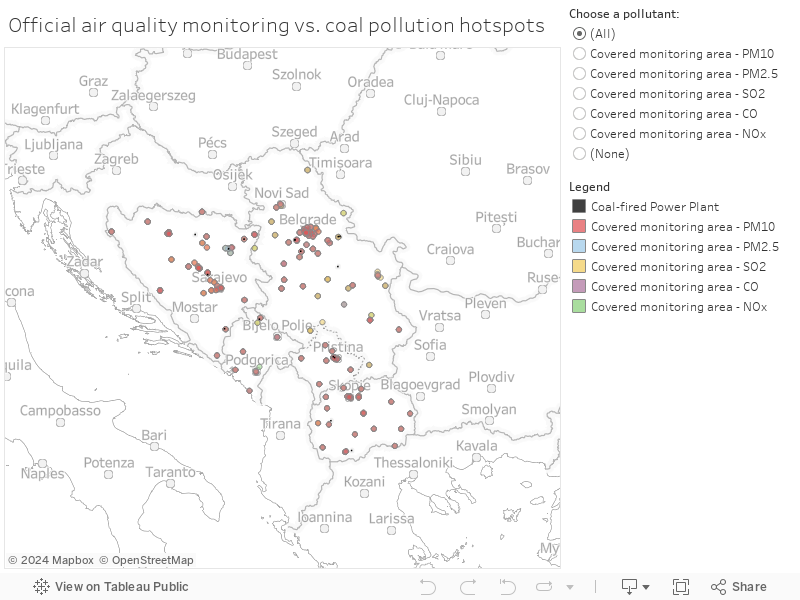
On this page we provide regularly collected data from a few selected sites. The data is gathered for at least 30 continuous days from each location. It is therefore indicative and is not intended to replace stationary long-term monitoring. As clearly visible on the map below, most of the power plants are not sufficiently monitored: many of them fall outside the monitoring stations’ range and do not cover all relevant pollutants.
Implementation of the Air Quality Directive by Western Balkan countries – 2022 update

In order to join the European Union, these countries must undergo a process of approximation with EU legislation and rules. In the field of environmental protection, all of these countries are struggling to meet EU standards. Ambient air quality is among the biggest environmental problems in the region. Efforts to improve air quality are mostly driven by EU legislation, such as the Ambient Air Quality Directive. This briefing assesses each country’s transposition of the Directive, its approach to monitoring air quality, the legal air quality standards in place, how related information is reported to the public, and any plans it has to improve air quality.

Roșiuța, Gorj county, Romania

The village is sandwiched between two open cast lignite mines, Roșiuța and Motru (also known as Lupoaia) and is exposed to tremendous levels of coarse particulate matter (PM10) pollution.

There is no official air pollution monitoring station in the village, and the host of our air quality monitor has for years submitted requests to the local Environmental Protection Agency to come and perform measurements. The method used by the Agency is empirical – a water bucket which is left to collect dust samples for a month and then the quantity of particles is in theory weighed and it is calculated whether it is in line with the air quality legislation standards.

A few months after we published the monitoring results, after mounting pressure in the media, the host received an offer from the coal mining company to be relocated to a less polluted village.

Monitoring period: 26.05.2018 – 26.06.2018

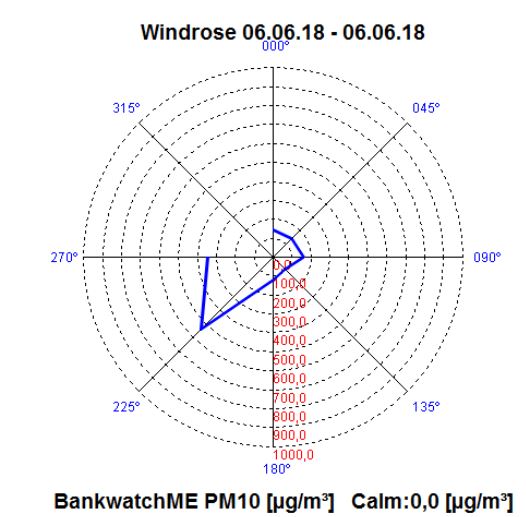
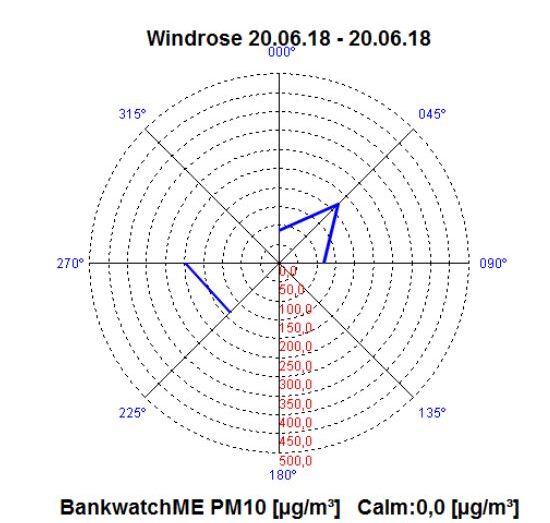
Our independent monitoring showed regular breaches of the air quality standards for dust particles – on 23 days of the 32 monitored – with significant pollution peaks reaching almost 650 micrograms per cubic metre. The additional windrose analysis that takes into account the wind speed and direction confirms that these peaks are caused by the nearby lignite mines.
Read more

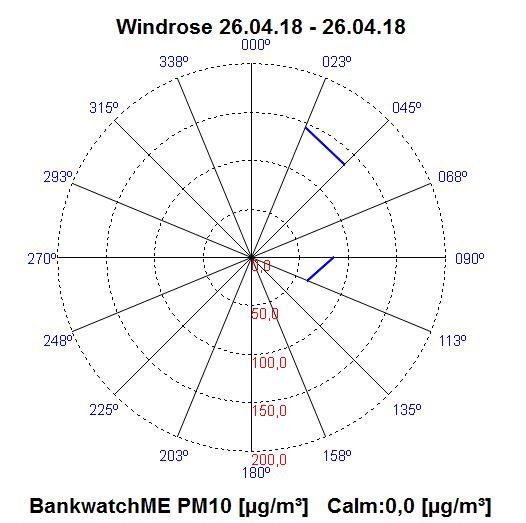
windrose 6 Junewindrose 20 June

Go back

Drmno, Serbia

The village of Drmno is trapped between the Kostolac B power plant and the Drmno open-cast lignite mine which supplies its fuel. A new 350 MW lignite plant is under construction at the Kostolac complex, with two of the existing units to continue running alongside the new one. The ash dumps are also a constant source of dust pollution, particularly in the dry and windy season.

Despite dust being a major pollutant from coal-powered energy generation, the nearby air quality monitoring station in Kostolac is monitoring only sulphur dioxide, nitrogen oxides and carbon monoxide. People in the area have no information about PM10 and PM2.5 pollution.

Monitoring period: 17.11.2016 – 16.12.2016

During the first ever monitoring of dust pollution in Drmno, PM10 concentrations exceeded the 24-hour limit value on 16 of the 30 days. PM2.5 concentrations were almost constantly above the annual limit value.

Read more

Monitoring period: 14.04.2018 – 14.05.2018

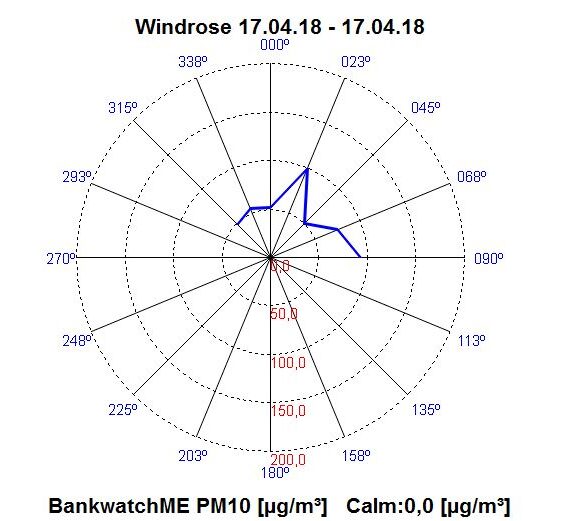
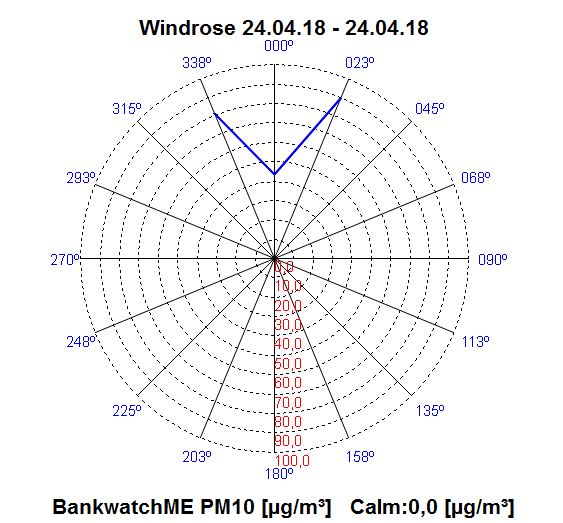
During this monitored period, when pollution from household heating was no longer present, air quality standards for PM10 particles were breached on 7 of the 28 days. The wind direction analysis showed that the peaks in PM10 pollution originated from the direction of the local coal-fired power plant, Kostolac B, and the coal conveyor belt transporting coal from themine to the power plant.
Read more


windrose 6 Junewindrose 20 Junewindrose 20 June

Our monitoring device, together with the meteorological sensor, was placed about 1 km south-west of the Kostolac B3 power plant and 2.5 km to the ash disposal site.

To the north, there is a conveyor belt, and all the way between 30 and 180 degrees in the diagram is the Drmno open-cast lignite mine.

Therefore, when the wind blows from the north or north-east– as in the top half of the diagram – and the PM10 emissions are high we can point to either the dried ashes blowing from the ash dump in the direction of the village, or to the power plant or to the conveyor belt, all of them being in the way.

Similarly, when the wind is blowing from the east, the right hand-side of the diagram) the dust blown most likely originates from the open-cast lignite mine.

Go back

Gacko, Bosnia-Herzegovina

The town of Gacko is home to a 300 MW thermal power plant and an open-cast lignite mine with capacity of 1.8 million tonnes of coal. The huge, dusty mine dominates the landscape around the town.

Although the town has an air quality monitoring station, at the time of the monitoring period the results of the measurements were difficult to obtain from the authorities. So local residents, or anyone concerned about the air quality in the town, had no way of knowing how bad the problem actually was.

Monitoring period: 13.11.2017 – 25.11.2017

The monitoring period was relatively short and interrupted many times by power outages, therefore we were only able to record ten days of uninterrupted measurements. During those ten days, on which we were able to calculate the 24-hour average, the daily limit value for PM10 was breached four times. Hourly measurements show pollution peaks reaching over 100 micrograms per cubic metre, compared to the daily limit value of 50.

Read more

Tuzla, Bosnia-Herzegovina

Read our 2019 analysis of the health impacts from air pollution in Tuzla HERE

Tuzla is notorious across Europe and beyond for its poor air quality, mainly caused by the thermal power plant (four units), individual household heating and traffic. The state-owned electricity company Elektroprivreda BiH has wasted years promoting the construction of a new 450 MW lignite-fired unit to replace the old unit 3 (100 MW) and unit 4 (200 MW), instead of installing desulphurisation at unit 6 and preparing a new heat source for the district heating system to take over when unit 4 is closed.

There are three official air quality monitoring stations in Tuzla which continuously show breaches of air quality standards. What they do not show is what is the main culprit for these breaches, something that the independent monitoring managed to answer to some extent.

Monitoring period: 6.10.2016 – 14.11.2016

The daily limit value for PM10 was breached an astonishing 31 times during a 41-day monitoring period. What is even worse, in-depth analysis of the data showed that pollution peaks are extremely high during the night, suggesting that the Tuzla power plant’s pollution filters might not be functioning properly when it’s dark outside.

Read more

Monitoring period: 10.10.2017 – 18.10.2017

In the nine days of monitoring in 2017, the limit value for PM10 was breached on every single day, reaching more than five times above the limit on the last day – 269 micrograms per cubic metre. The analysis of the meteorological factors, mainly wind direction, showed that either the Tuzla coal power or the associated ash disposal site, or both, are responsible for the high pollution peaks.

Read more


Bitola, Macedonia

Bitola is the largest town in the vicinity of the REK Bitola complex consisting of a 675 MW lignite power plant, open-cast mines and ash disposal sites. The North Macedonian government declared its intent to close the power plant before 2027 in the latest energy strategy, but has no intention of installing pollution control equipment during the period it remains operational.

Bitola has two air quality monitoring stations that show significant pollution throughout the year, but the authorities refuse to acknowledge that the power plant is a major contributor to air pollution. The first time the independent monitor was in Bitola, pollution levels were so high that after only a few days, the machine’s filters and measurement chamber were contaminated and it had to be sent for clean-up and re-calibration.

Monitoring period: 05.06.2017 – 03.07.2017

The second monitoring took place during the summer months, when there is no household heating and contribution from traffic is minimal. However, the monitor still recorded five breaches of the daily limit value for PM10, and PM2.5 concentrations were gravitating around the annual limit value most of the time. As expected, air quality standards are impossible to meet in Bitola even during the summer.

Read more

Rosia de Jiu, Romania

The village, situated near the existing Rovinari lignite power plant, has for years been exposed to extreme air pollution, originating from the power plant, the two open-cast mines which surround it and the illegal coal storage depot nearby. The locals have been promised resettlement since 2007, but the mining company has not made any progress in this regard. As the mines are not envisaged to expand towards the village, resettlement is not a priority.

Monitoring period: 26.04.2017 – 25.05.2017

Over the 30 days of monitoring PM10 and PM2.5 emissions in the village of Rogojel (part of the Rosia de Jiu municipality), it was only on two days that the EU limit for PM10 was not exceeded. In other words, in over 93 percent of the time, the PM10 concentration was above the limit. Moreover on nine of the days monitored, the measured PM10 stayed four times above the regulated 24-hour average. Concentration of PM2.5 was above the EU annual limit on 23 of the 30 days of monitoring. There were many hourly PM10 peaks, with the highest recorded on May 2, with 1783 micrograms per cubic metre.

Read more


\

Pernik, Bulgaria

Air pollution in Pernik is caused by the nearby lignite power plant and the domestic use of coal for household heating. There are no plans in the immediate future to tackle the pollution, nor to retrofit the aged power plant, in spite of Bulgaria being referred to the European Court of Justice in 2020 by the European Commission, after years of failing to abide by air quality legislation and to implement national court decisions aimed at limiting air pollution.


Considering that during the observation period the weather was warm and heating was only needed to a small extent, high pollution levels were likely not caused by individual households using coal for heating. The only remaining cause is the 180 MW Pernik power plant.


Monitoring period: 28.03.2017 – 15.04.2017


During the 19-day monitoring period, the EU daily limit value for PM10 was breached on 13 days. PM2.5 was above the EU annual limit value on 10 of the 19 days of monitoring. We also found major discrepancies between the levels recorded during day time and night time, which may point to the dust filters of the nearby power plant not functioning properly or at all.

Read more


Pljevlja, Montenegro

Pljevlja is home to the only lignite power plant in Montenegro, with both the coal mine and the power plant within two kilometres from the town. These facilities, combined with the heavy use of cheap coal for household heating, create a toxic cloud engulfing Pljevlja throughout the year.

Monitoring period: 02.12.2016 – 15.01.2017

During the monitoring period, the PM10 daily limit value was breached on 21 of the 35 days observed. PM2.5 pollution was particularly high, with values almost as high as the PM10, and was significantly above the annual limit value on 29 of the days.

Our second round of monitoring in Pljevlja took place during January-February 2019. According to the measurements, the daily limit value for PM10 was exceeded on 6 of the 30 days. PM2.5 pollution was above the annual limit value on 14 of the days.

Read more

Sajókápolna, BAZ County, Hungary

Sajókápolna is a small village in the centre of BAZ county in north-eastern Hungary. The entire region has a long tradition of coal mining, with dozens of underground and open-cast coal mines operating throughout the last two centuries. Coal is also one of the main energy sources for household heating in smaller settlements, which inevitably results in deteriorating air quality. The location is a perfect example of how burning cheap lignite for household heating damages air quality and seriously contributes to greenhouse gas emissions even in a remote village surrounded by forests.

The results of our monitoring helped the local partners and the community with additional arguments against the permitting of small coal mines used for household heating.

Monitoring period: 06.10.2018 – 08.11.2018

We monitored the air quality in Sajókápolna over a 28-day period. During this time, the EU 24-hour average limit for PM10 was exceeded on 5 of the days. The World Health Organisation 24-hour average limit for PM2.5 was breached on 18 of the days, or 64 per cent of the observed time.

Read more

Novaci, North Macedonia

Read our 2022 analysis of the health impacts from air pollution in Novaci HERE

The Novaci municipality is home to Macedonia’s REK Bitola complex, consisting of a 675 MW lignite power plant, several open-cast lignite mines and ash disposal sites. Spread out to the east of the village, they create a high concentration of pollutants in a small area.

Novaci and several other surrounding villages are taking the main blow, but they are still not monitored by the national air quality monitoring network.

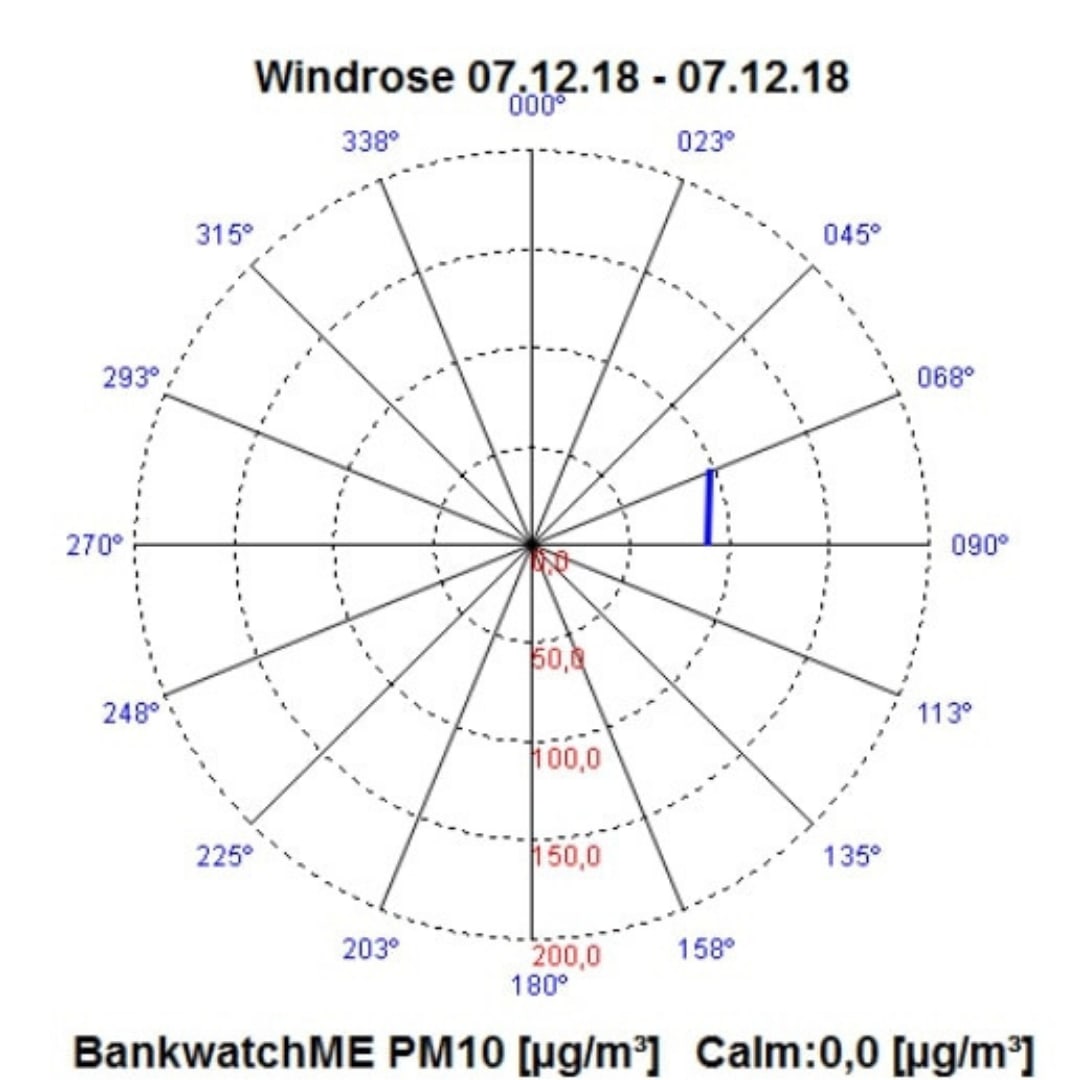
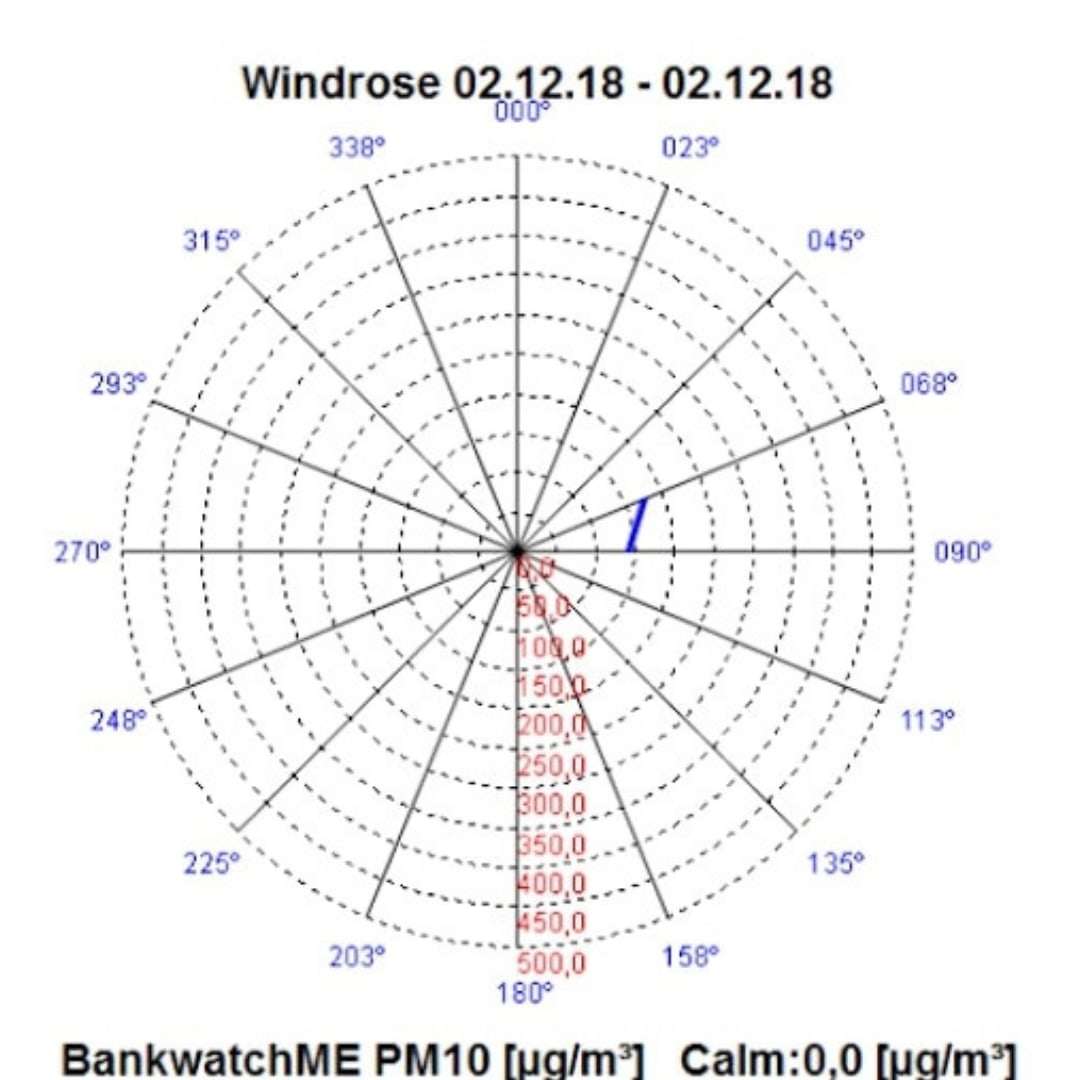
Monitoring period: 23.11.2018 – 23.12.2018

The measurements show that the limit values for both PM10 and PM2.5 were exceeded almost every day. The daily limit value for PM10 was breached on 22 days in one month. Half of those exceedances were two or more times over the limit. The daily average limit for PM2.5 recommended by the World Health Organisation was breached on 27 of the days, pushing the monthly average to 47 micrograms/m3 during the observation period.
 

Go back

Kolubara A, Serbia

The Kolubara A lignite-fired power plant is situated in the Veliki Crljeni settlement, 30 kilometres south-east of Serbia’s capital Belgrade, where – together with the nearby open-cast lignite mine – it provides most of the employment for the locals. It is the oldest operational thermal power plant in Serbia, with the first units put into operation in 1956. Because of the old age and lack of investments to bring it in line with the emission limit values, the power plant is among the biggest emitters of PM10 in Europe.

Monitoring period: 02.06.2019 – 03.07.2019

Most likely because of low electricity demand during that period, the plant was not operational during our monitoring. This is most likely why we did not register any breaches of the EU and national limit values and the WHO recommended values. The results, as can be seen from the graph, were even surprisingly low – showing that this village can have mountain-clean air when the plant is not working.

Read more

Stanari, Bosnia-Herzegovina

Stanari power plant is owned by EFT Rudnik i Termoelektrana Stanari d.o.o., a subsidiary of the UK-headquartered EFT Investments SE. The power station is located near the Stanari coal mine, approximately 70 kilometres east of Banja Luka in Republika Srpska. It is the only privately-owned power plant in the Western Balkan region.

The power plant is supposedly working in line with limit values from the Industrial Emissions Directive, but the entire complex still has a significant impact on air quality in Stanari.

Monitoring period: 04.07.2019 – 01.08.2019

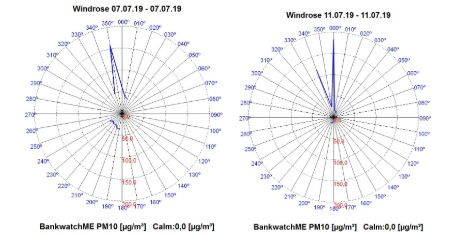
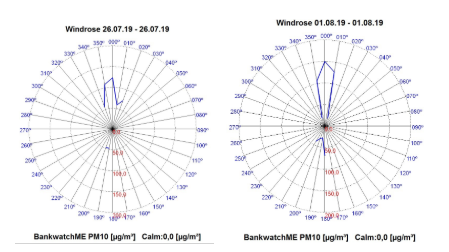
As can be seen from the graphs below, and as was expected for the summer period, there were not many breaches of the PM10 and PM2.5 limit values – the national (and EU) 24-hour limit for PM10 was exceeded twice and so was the WHO recommended 24-hour limit for PM2.5 – but short-term dust pollution peaks were alarming.

Analysis of the wind direction compared to the pollution peaks showed that every time the wind was blowing from the side of the ash disposal site, the lignite mine and the conveyor belts, the monitor recorded high peaks of pollution regularly going over 300 micrograms/m3 – with the highest one on the morning of 17 July reaching 828 micrograms/m3.
Read more


Go back

Șimnicu de Sus, Craiova, Romania

Șimnicu de Sus is a small village several kilometres north of Craiova – the biggest city in Romania’s lignite region. The wider city area is home to two coal-fired power plants, Ișalnița and Craiova II, with installed capacity of 630 MW and 300 MW respectively. They dominate the landscape of the city– especially the Ișalnița power plant with its 200 metre high chimney. What is not so easy to see, but which are an inevitable component of  all coal-fired power plants, are their ash disposal sites, one of which is located on the hill above Șimnicu de Sus.

Monitoring period: 14.09.2019 – 28.10.2019

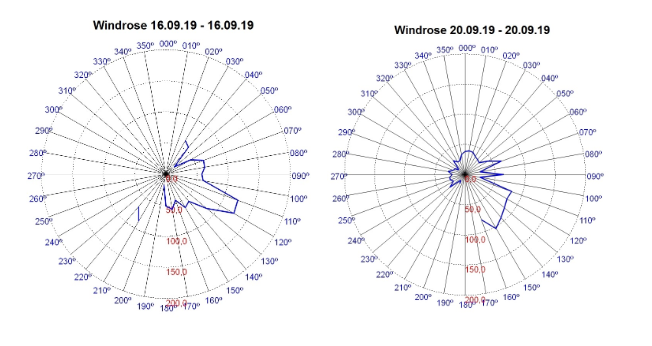
The EU’s 24-hour limit value for PM10 was breached on 14 days during the monitored period, with an increasing trend in the 24-hour concentrations starting from mid-October. PM2.5 daily mean concentrations show 17 breaches compared to the WHO 24-hour limit. 

By using wind direction to determine possible sources of air pollution, there are some cases where the ash disposal site, spread out east of the monitoring location, can be singled out as a major source.

Read more


Kosova A and Kosova B, Obiliq, Kosovo

More than 90 per cent of Kosovo’s electricity generation comes from the two coal-fired power plants, Kosova A and Kosova B. But they are also the biggest polluters in the country and are responsible for most of the air pollution in the town of Obiliq, located between the two plants.

Monitoring period: 07.02.2020 – 03.03.2020

Click here to find our independent dust concentration monitoring results and a simulation based on the monitoring, identifying the major sources of pollution.

The Lung Run

The Lung Run is a thematic running race designed to raise awareness about the effects of air pollution caused by coal power plants. It carries a strong social and environmental message and it also has a charitable component.

By involving local residents, businesses and authorities, the race aims to highlight the options for sustainable development and by supporting them, to help the region’s transition into a region with a clean environment and thriving local community.


LATEST BLOGPOSTS


Seven years after joining the EBRD’s Green Cities programme, is Yerevan’s green future going up in flames?

Blog entry | 2 June, 2023

In May 2023, a massive fire broke out at the Nubarashen landfill on the outskirts of Yerevan, enveloping the city in a cloud of toxic smoke generated by the burning waste. It took 10 days and 2,300 truckloads of soil to extinguish the flames. Coming seven years after Yerevan became a pioneer by joining the European Bank for Reconstruction and Development (EBRD)’s Green Cities initiative, this incident is a stark reminder of the urgent need to adopt a safer and more sustainable approach to waste management and urban planning.


Read more
280 million euros of North Macedonia’s public money going up in smoke

Blog entry | 30 January, 2023

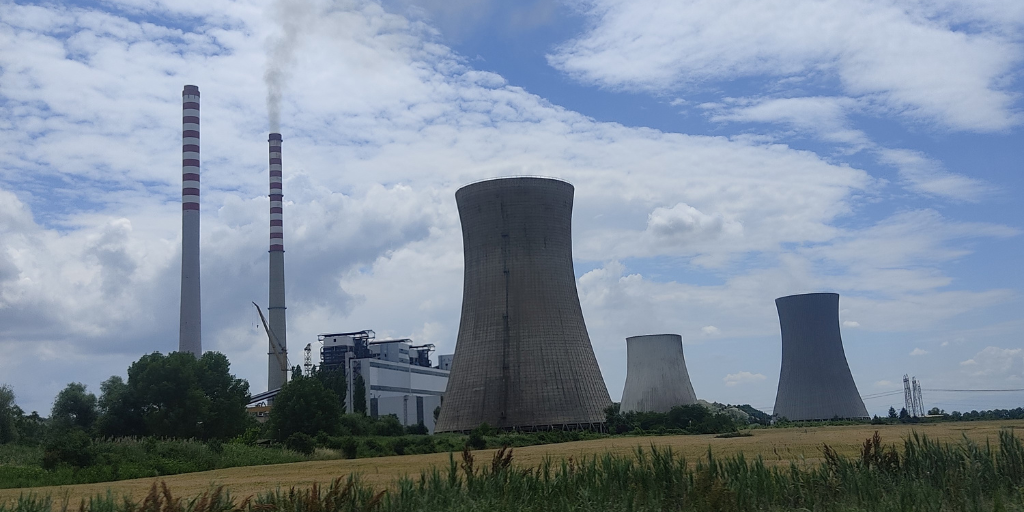
North Macedonia’s government, through the state-owned energy production company AD ESM, has spent hundreds of millions of euros on imports of coal, heavy oil and fossil gas to keep the country’s fragile energy system going during the energy crisis. The result is a significant increase in emissions of air pollutants and serious damage to the environment and public health.


Read more
Let the sunshine in: how a coal region in North Macedonia can switch to sustainable heating

Blog entry | 21 December, 2022

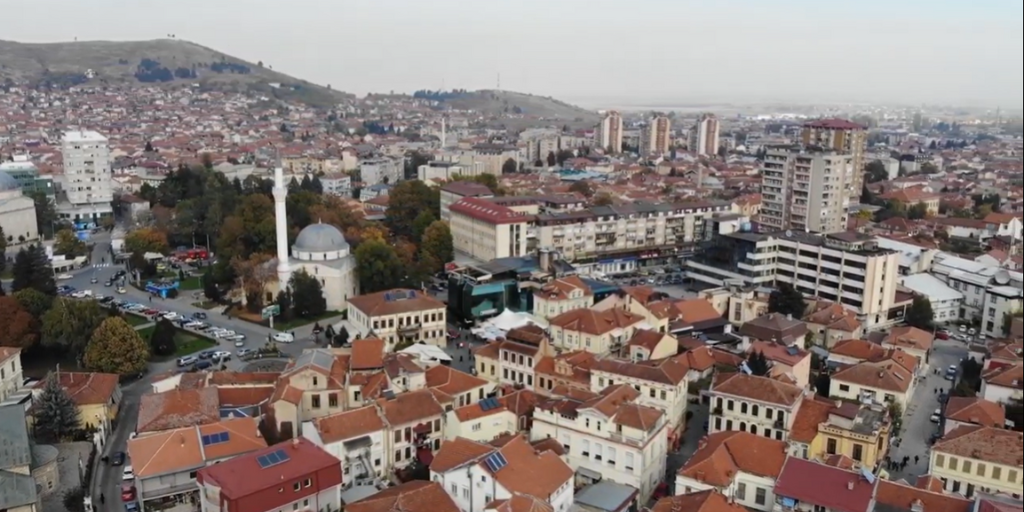
The government in North Macedonia wants to link the 40 year old REK Bitola power plant to the regional heating system. But cementing the dependence on fossil fuels would be reckless. Instead, a new study finds that fitting houses in Bitola with air conditioning and solar panels could keep people warm, cut air pollution and even shield against increasingly volatile energy prices. Such households forming energy communities, the study shows, could not only lower initial investments but even generate them some income.


Read more

LATEST PUBLICATIONS
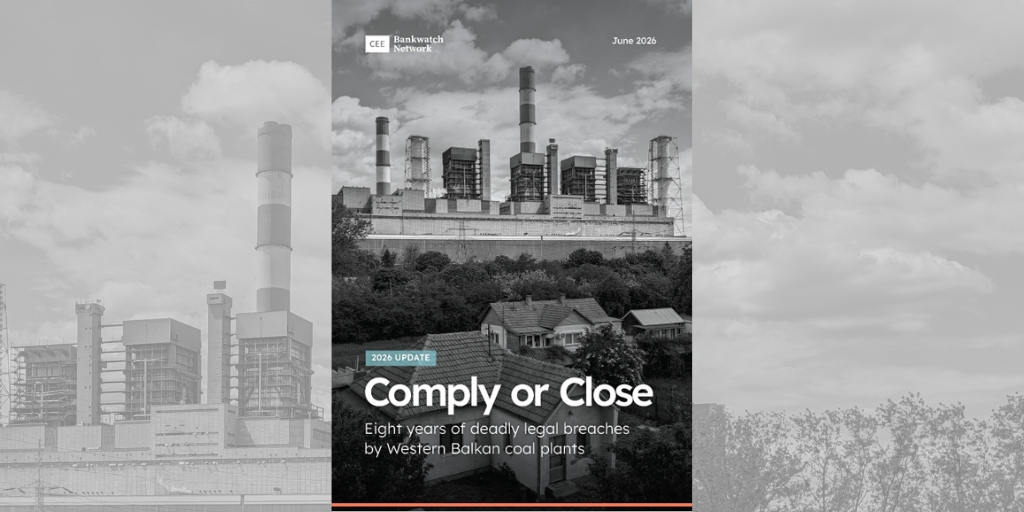


Comply or Close 2025: Seven years of deadly legal breaches by Western Balkan coal plants

Publication | 17 June, 2025

The end of 2024 marked seven years since the deadline passed for power plants in the Western Balkans to meet new air pollution standards.


Read more

Comply or Close 2024: six years of deadly legal breaches by Western Balkan coal plants

Publication | 17 September, 2024

The end of 2023 marked six years since the deadline passed for power plants in the Western Balkans to meet new air pollution standards. Yet the deadly air pollution from the region’s mostly antiquated coal power plants has hardly decreased at all since 2018.


Read more

Hooked on gas: Report on the status of national energy and climate plans in central and eastern Europe

Publication | 20 June, 2024

This publication highlights the need for gas phase-out pathways and identifies shortcomings in the current draft NECPs of eight central and eastern European Member States.


Read more

Footer

CEE Bankwatch Network gratefully acknowledges EU funding support.

The content of this website is the sole responsibility of CEE Bankwatch Network and can under no circumstances be regarded as reflecting the position of the European Union.

Unless otherwise noted, the content on this website is licensed under a Creative Commons BY-SA 4.0 License

Your personal data collected on the website is governed by the present Privacy Policy.

Get in touch with us

  • Bluesky
  • Email
  • Facebook
  • Instagram
  • LinkedIn
  • RSS
  • YouTube