• Skip to primary navigation
  • Skip to main content
  • Skip to footer

Bankwatch

  • About us
    • Our vision
    • Who we are
    • 30 years of Bankwatch
    • Donors & finances
    • Get involved
  • What we do
    • Campaign areas
      • Beyond fossil fuels
      • Rights, democracy and development
      • Finance and biodiversity
      • Funding the energy transformation
      • Cities for People
    • Institutions we monitor
      • European Bank for Reconstruction and Development
      • European Investment Bank
      • Asian Infrastructure Investment Bank
      • Asian Development Bank (ADB)
      • EU funds
    • Our projects
    • Success stories
  • Publications
  • News
    • Blog posts
    • Press releases
    • Stories
    • Podcast
    • Us in the media
    • Videos
  • Donate

Home > Archives for Blog entry

Blog entry

A third of European Investment Bank lending evades environmental and social rules

The EIB’s financial intermediaries take various forms, including private equity funds, investment funds, commercial banks and state-owned development banks. These help the EIB to reach smaller clients than it would otherwise be able to finance. 

The EIB’s global lending via intermediaries amounted to EUR 22.6 billion in 2020. In the EU, credit lines accounted for over one-third of the Bank’s operations in the same year. In addition, the European Investment Fund, a risk finance facility which is a part of the EIB Group, reached almost EUR 13 billion in financing entirely directed through financial intermediaries. 

Yet despite years of civil society organisations and the European Parliament raising the alarm, the public has little idea of what happens to this money and whether it is effectively used.

Financial intermediary projects – far from small and harmless

There is a common perception that sub-projects financed via intermediaries are small projects with low risks. But the examples we have uncovered so far show that such projects come in all different shapes and sizes with all sorts of impacts. 

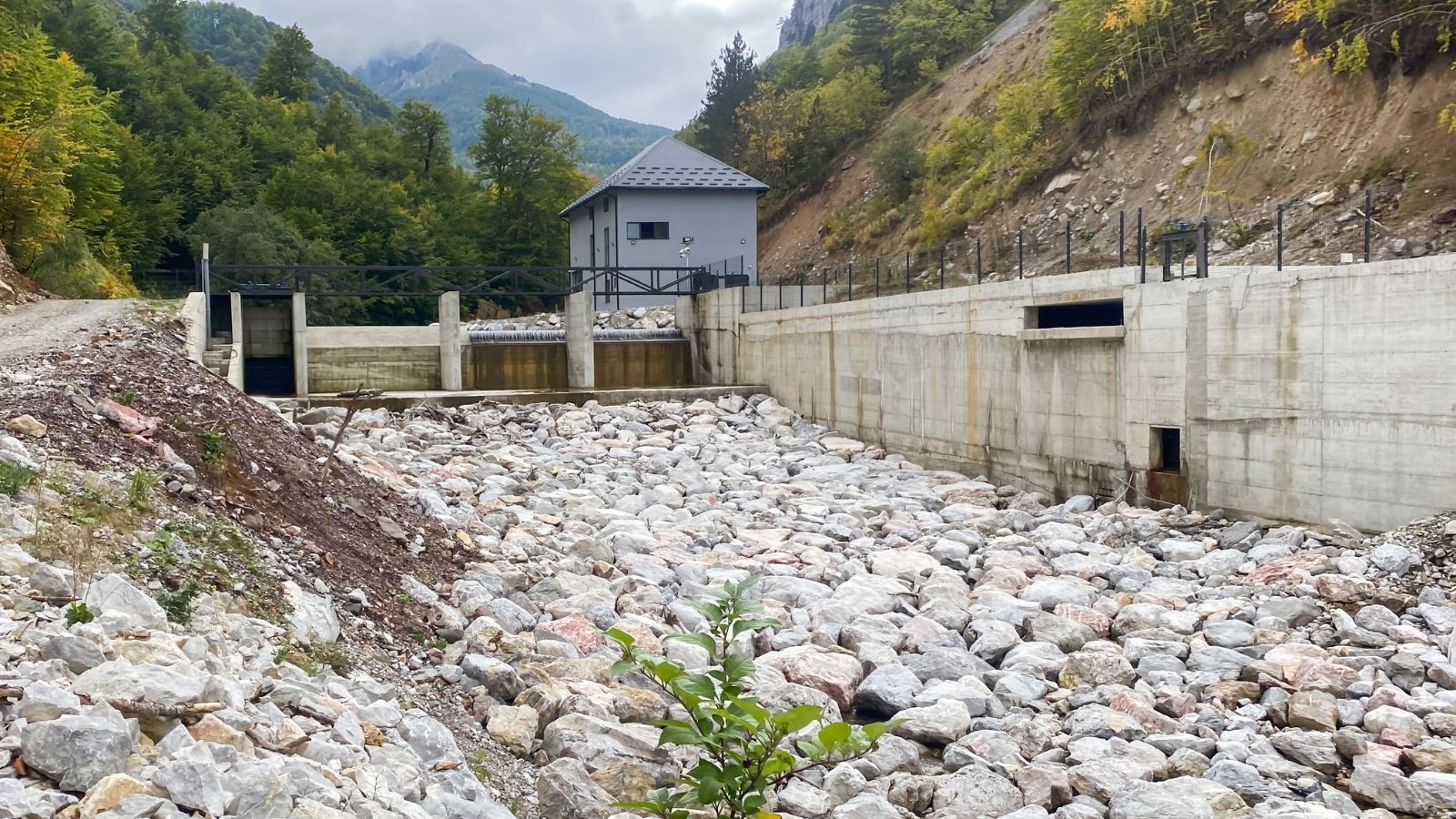
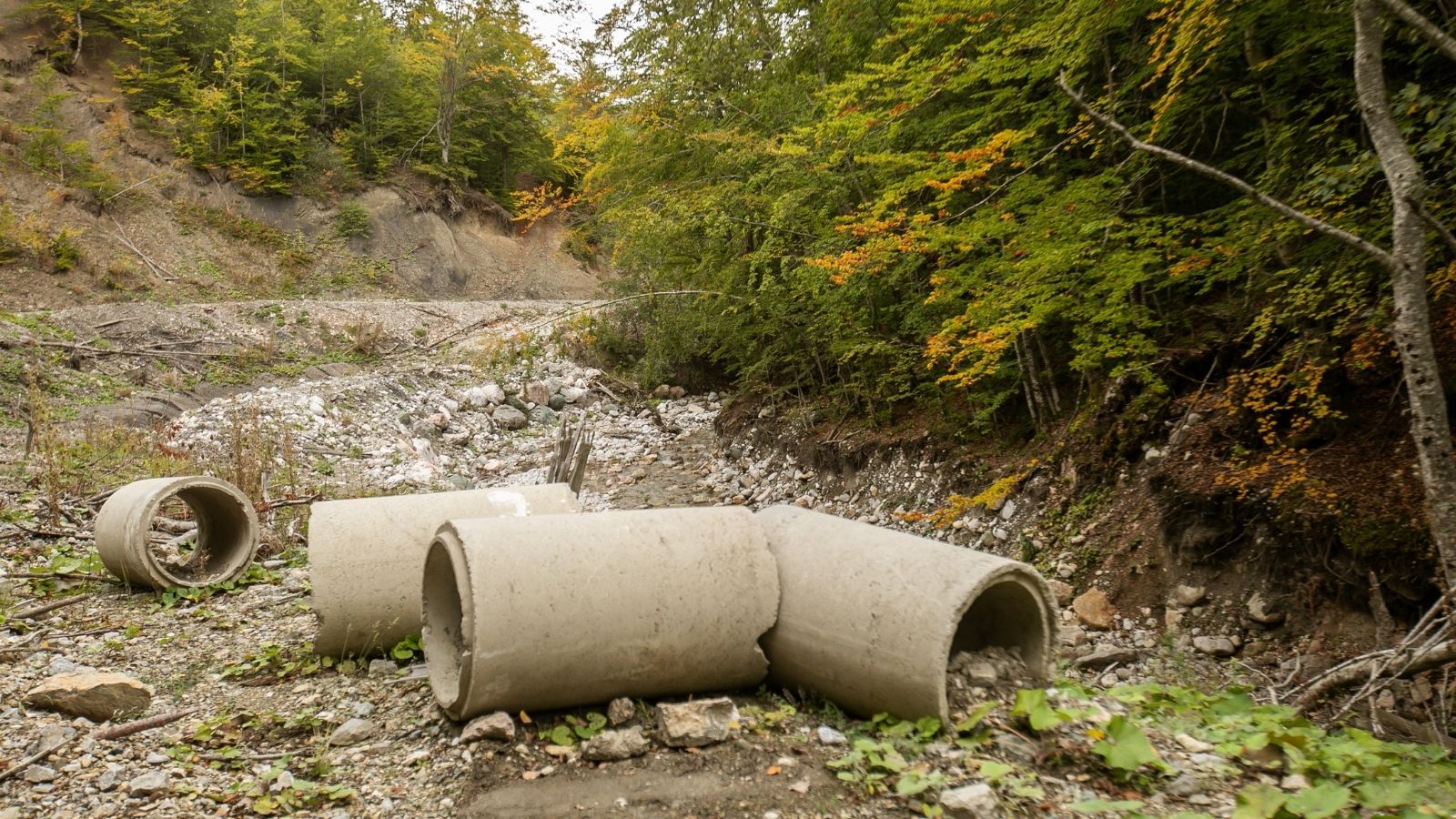
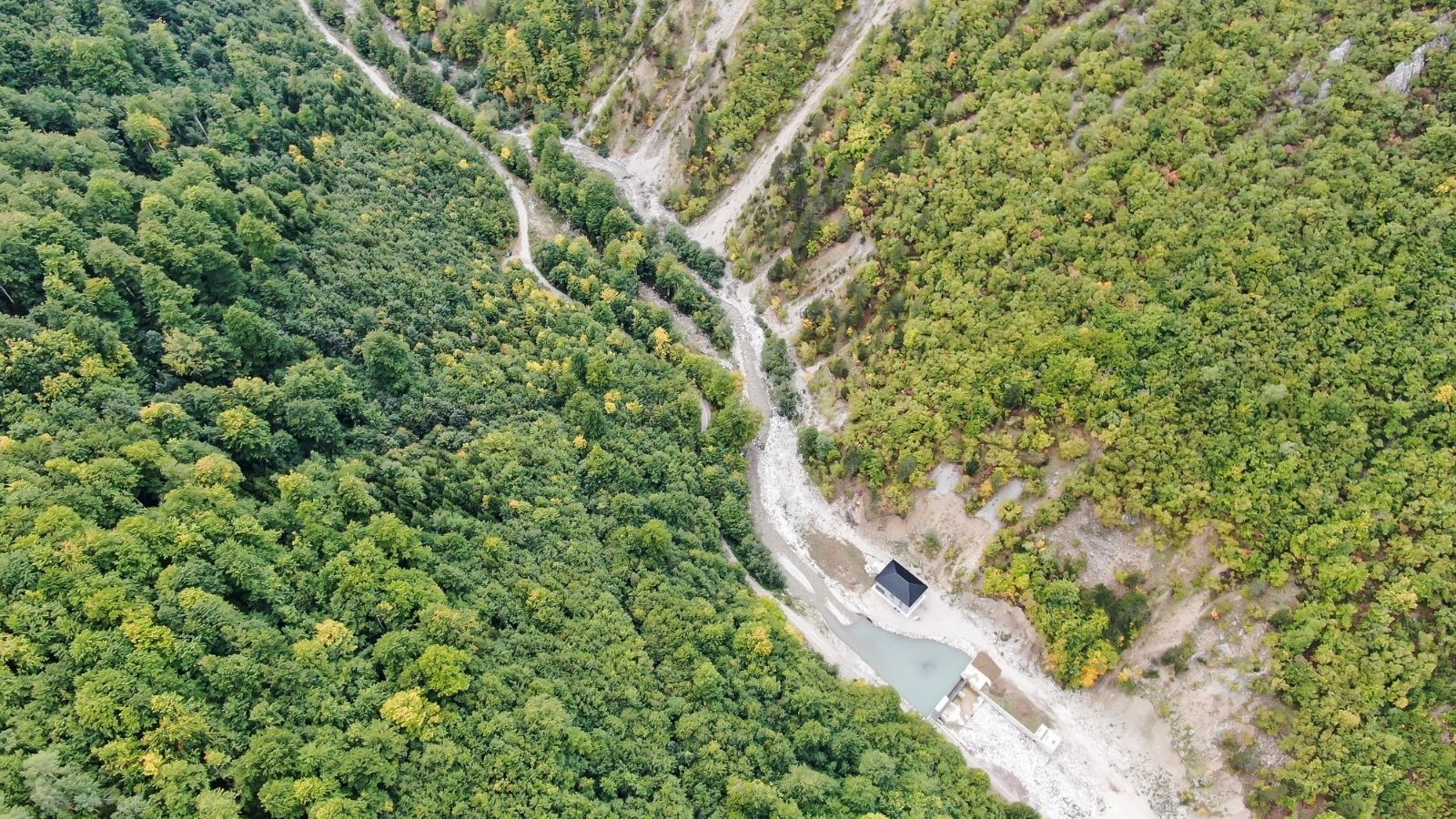
For example, small hydropower plants have wrought immense damage across southeast Europe. The EIB has financed more than 27 such plants through financial intermediaries since 2010. These include Ilovac in Croatia, via the Croatian Bank for Reconstruction and Development (HBOR) and the operation of the Blagoevgradska Bistritsa cascade in Bulgaria via Allianz BG. 

However, the exact number and many of the names of the plants remain unknown due to the Bank’s refusal to systematically disclose information about sub-projects funded via intermediaries. For example, information from the Serbian pledge registry shows that the EIB also financed the Beli Kamen and Komalj plants in the Zlatibor Nature Park, Serbia, via Credit Agricole Srbija, but the Bank did not respond when we sent information about the case and asked about its involvement earlier this year.

Small hydropower projects are often built in remote and unspoilt mountainous areas of southeast Europe, frequently without carrying out environmental impact assessments and often resulting in entire stretches of rivers and streams drying out for much of the year. Monitoring and enforcement is almost impossible due to the remote locations and the fact that project developers are often well-connected businesses who are usually not touched by law enforcement agencies.  

In addition, private equity funds financed by the EIB can invest in companies of any size, including those with serious environmental and social impacts. For example, in October 2019 the EIB confirmed that it had decided not to go ahead with direct financing for the 340,000 tonnes per year Vinča municipal waste incinerator in Serbia, after its own due diligence confirmed that the project would likely interfere with Serbia’s ability to meet EU circular economy targets for recycling. The EIB’s decision was welcomed by civil society organisations, but it turned out that the EIB-financed Marguerite II Fund has remained a shareholder in the project company despite the EIB pulling out. The case clearly shows how little influence the EIB has over its intermediaries’ investments in reality. 

The EIB’s current approach

The EIB’s current 2009 Environmental and Social Statement makes relatively clear the requirements for financial intermediaries to adhere to EU law as well as national law and the EIB’s Standards. But the Bank usually delegates environmental and social checks on  intermediated investments to the intermediaries themselves, as well as project monitoring. The idea is that the EIB assesses the intermediaries’ capacity to do so before providing them with loans or equity. 

But the cases mentioned above show this does not work in practice: at least some intermediaries do not have capacity for or interest in undertaking thorough due diligence. Indeed, as long as the intermediary gets its loan back, the public does not know about its involvement in the project, and local law enforcement institutions do not do their work adequately, there is no real incentive to undertake detailed environmental and social checks or projects monitoring, as there is little financial or reputational risk for the intermediary.

A complaint by Bankwatch to the EIB’s Complaint Mechanism in 2019 on the Bank’s blanket refusal to disclose a list of intermediated hydropower sub-projects in southeastern Europe resulted in a finding that the Bank must check on a case-by-case basis whether it can disclose sub-project information rather than assuming it cannot.

In 2019, the EIB adopted Environmental, Climate and Social Guidelines on Hydropower Development (Hydropower Guidelines), which clarifies how to apply the Environmental and Social Standards specifically to hydropower. The Guidelines contain very useful sections and requirements such as the referral of hydropower projects financed via financial intermediaries to the EIB for due diligence, public disclosure of hydropower projects by the financial intermediary, and the importance of a strategic approach to hydropower (i.e. that the impacts should be assessed first at the level of the river basin and only later at the project level).

The Hydropower Guidelines are a very welcome step forward. However, they need to be embedded in the EIB’s Environmental and Social Policy or Standards, in order to be binding on the EIB and its intermediaries. They also only relate to hydropower, not other sectors, so equivalent cross-sectoral rules need to be introduced.

The EIB’s draft new Policy and Financial Intermediaries standard 

In June 2021 the EIB published a new draft Environmental and Social Policy and 11 Standards which clients have to follow. For the first time, the Standards will include one specifically on Financial Intermediaries.

The draft Policy is much less clear than the existing Statement on the need for projects to be in line with EU law – and mentions EU law only in passing. The draft Financial Intermediary Standard clarifies that sub-projects in the EU, EFTA, candidate and potential candidate countries have to be in line with EU law, but for those in other countries it only mentions ‘applicable national legislation and the relevant EIB Environmental and Social Standards.’ A financial intermediary needs to be able to clearly tell how to apply EU law, but will not be able to do so from this short summary.

The draft Standard also still delegates responsibility to the EIB’s intermediary clients to screen and carry out due diligence on sub-projects, as well as monitoring the projects. There are two problems with this. First, unlike in the Hydropower Guidelines, there is no obligation for the intermediary to refer any projects (for example projects which would or may require an environmental impact assessment in the EU) to the EIB for due diligence and monitoring. 

This would be alright if all projects which are likely to have significant social or environmental effects were excluded from intermediary lending, but the second issue is that they are not: the ‘regularly amended’ EIB list of excluded projects dates from 2013, and does not even exclude projects with high CO2 emissions, in line with the EIB’s Energy Lending Policy. The list should have been updated as part of the Environmental and Social Policy and Standards revision, but has not been.

So intermediaries may (point 14 of the draft Standard) refer high risk sub-projects to the EIB but are given no instructions on what sub-projects are considered high risk. The standard leaves it entirely to the discretion of the FI to decide which sub-projects it will consider as having potential significant environmental and social impacts and risks which should be reported to the EIB and it also leaves it entirely to the discretion of the EIB to require the FI to report such risks to the Bank. 

There is also no requirement for intermediaries to publish information about the sub-projects they are financing. Point 7 of the draft Financial Intermediary Standards requires them to comply with ‘sustainability disclosure requirements under national and EU legislation which is applicable to their activities’ if in the EU or EFTA, and if in the rest of the world, to comply with national legislation and public information on its policies and procedures for assessing and managing the environmental and social impacts and risks of sub-projects. 

This is a red herring. National and EU legislation does not usually have any provisions requiring commercial banks – and often also national promotional banks – to disclose their sub-projects and beneficiaries. So requiring them to comply with such legislation is of no help in improving transparency. Similarly, for the rest of the world, a bank’s ‘due diligence policies and procedures’ are of little interest without seeing which projects they are applied to in reality and how.

Recognising the ongoing controversy around hydropower, in 2019, the EIB’s Hydropower Guidelines made a step forward on this issue, stating that: ‘Where the EIB is providing financing to an FI, the FI will disclose the list of hydropower projects it is financing on its website.’ Yet the new draft FI Standard makes no reference to intermediaries having to disclose any specific information about sub-projects. 

All of this puts the EIB out of step with its peers, who have undertaken considerable improvements in their financial intermediary policies in recent years.

The EIB’s peers move ahead

The International Finance Corporation (IFC), the Asian Infrastructure Investment Bank (AIIB) and European Bank for Reconstruction and Development (EBRD) have all committed to improve disclosure for financial intermediary loans in higher-risk sectors, while the Green Climate Fund is the clear leader in this field and requires the disclosure of all sub-projects. The World Bank has also already for years required disclosure for higher risk projects before sub-projects are signed.

The definition of higher risk sectors requiring disclosure and additional due diligence by the multilateral bank lender varies, but the EBRD’s definition includes all Category A projects – those which are always subject to Environmental and Social Impact Assessment (and are listed in the EBRD’s Environmental and Social Policy) – plus a list of project types which might not always be subject to a full environmental assessment procedure, but are nevertheless defined by the EBRD Policy as high-risk, e.g. activities that occur within or have the potential to adversely affect an area that is legally protected. 

The EBRD has re-introduced an obligation for intermediaries to notify the bank when considering any high-risk projects listed on this ‘referral list’, at which point the EBRD then becomes involved in the due diligence process.

The China-led Asian Infrastructure Investment Bank has also recently revised its Environmental and Social Framework to include increased AIIB staff responsibility for monitoring and supervision of what it calls ‘Higher Risk Activities’ funded via FIs. There is also a new requirement for AIIB to have prior approval of high-risk sub-projects, and environmental information on Category A sub-projects must be disclosed before approval, and on all other higher-risk sub-projects within a year of financing.

The Green Climate Fund,  whose investments are all carried out through intermediaries, has a different approach, having different accreditation levels for different entities, enabling some to finance more risky investments than others, depending on their capacity to assess and manage the risks. Even in this case, the Fund reviews the sub-project categorisation awarded by the accredited entities for specific sub-projects before they are approved.

The tables below show how the EIB’s draft Standard performs in comparison with selected other international financing institutions.

* If the World Bank does not think the FI has capacity, the Bank will review high risk projects itself and demand prior approval.

* The EBRD and AIIB’s recourse mechanisms can only carry out compliance reviews on the banks’ compliance with their standards, which may limit the scope of their treatment of cases involving financial intermediaries.

What now for the EIB?

The EIB’s draft Policy and Financial Intermediary Standard need a significant overhaul before being approved. The EU’s house bank must stop hiding around one-third of its lending and must take responsibility for its environmental and social impacts.

The Bank should follow the IFC’s example and stop providing general-purpose loans to intermediary clients¹. It should ring-fence intermediated investments in a legally enforceable way to support specific low-risk projects that truly advance EU policy goals.

The Policy and Financial Intermediary Standard need to clarify that all EIB-financed operations must comply with EU law, the EIB’s Environmental and Social Standards and all EIB sectoral policies. The Bank’s 2013 exclusion list must be updated to at least mirror this: For example, intermediaries must not finance any unabated fossil fuels, as required in the 2019 Energy Lending Policy.

The EIB needs to introduce a referral list in its Financial Intermediary Standard, defining higher-risk sub-project types that need to be referred to the Bank for due diligence and monitoring. This should include sub-projects with social impacts, those which may need an environmental impact assessment, and those which impact areas of high biodiversity value. The EIB also needs to commit to carry out site visits and engage with affected communities in such cases, and to be involved in any monitoring and corrective action. This must also be clearly stated in loan contracts.

But real improvements in the environmental and social performance of the EIB’s intermediated investments are only likely with increased transparency so the public can bring forward any concerns in a timely manner. EIB clients and the Bank itself must be required to publish information at the very least on sub-projects which are likely to have significant social or environmental effects before they are approved for financing. 


1. Former IFC CEO Philippe Le Houérou in Opinion: A new IFC vision for greening banks in emerging markets, Devex, 8 October 2018: “…we have eliminated our general-purpose loans to any financial intermediaries; we now ring-fence about 95 percent of our lending to financial intermediaries…”.


This publication was produced in collaboration with EuroNatur  in the framework of the joint research and advocacy work on hydropower finance and subsidies.

How to monitor the spending of the EUR 672 billion recovery fund

So far, the process of drafting national recovery plans has been far from transparent. Many plans have been decided behind closed doors and few public consultations took place despite being a legal requirement. Even now, the exact content of some of the plans that are currently awaiting approval is unknown. This lack of transparency therefore raises questions over how the spending of EUR 672 billion will be properly monitored to ensure the funds full compliance with the set objectives, in particular the 37 per cent climate earmarking, as well as the EU’s environmental legislation. One of the monitoring tools the European Commission is preparing is a recovery and resilience scoreboard, which will measure the progress of implementation of national recovery plans by a set of indicators. However, in its proposed form, the scoreboard shows a limited number of indicators, in particular for measuring progress towards climate and biodiversity targets. This calls into question the effectiveness of the scoreboard, and opens the door for the misuse of funds and greenwashing.

One of the key ways to ensure the disbursement of the recovery funds is properly monitored and in line with the fund’s strategic objectives is to involve civil society during the implementation process.

The drafting of the recovery plans has already shown that Member States who made the most progress towards the aims of the European Green Deal were those that consulted and engaged with environmental organisations and the broader public. Some Member States are claiming their good will in involving stakeholders for the recovery fund implementation, but more has to be done to see real evidence of changing the approach. Poland for example, under pressure from civil society organisations for transparency in the whole process, decided to establish a monitoring committee that will also include members of civil society, however its specific composition and function remain hazy. The Slovak authorities also foresee the creation of a dedicated body advising the government on the implementation of the plan but it is not clear yet how partners like civil society organisations will be involved. To ensure real participation of stakeholders and civil society in particular, these committees should not be formal instances but have specific and transparent rules and an advisory role for an efficient implementation of the recovery plans. Such efforts would be highly beneficial in other Member States. For example, the Commission has recently suspended the assessment of the Hungarian plan and requested more robust anti-corruption measures from the Hungarian government. While this is welcomed, it also shows that proper monitoring of plans, which had already difficulties reaching requirements during the planning process, is crucial in the implementation stage.   Never before will such large amounts of EU funds be spent so quickly. Without adequate monitoring in place, the once in a lifetime opportunity that we are now presented with to deliver a green transition may be wasted. Experience has already shown that Member States can all too easily follow the business as usual paths that led us to today climate and environmental crisis.  

The beginning of the end – coal phase out in Romania

But as the country moves to end its dependence on what was once called ‘the black gold,’ decision makers need to avoid some serious pitfalls. Chiefly, Romania’s departure from coal must happen more quickly and it should be replaced by renewables, not fossil gas. Decision makers also have to ensure that this transition is done in a fair and inclusive way, that this historical shift leaves no one behind.  At long last, the Romanian Government announced in June that it will phase out coal by 2032. But questions abound. The National Recovery and Resilience Plan, which stipulated this date, states that a timeline for the process will be developed by the end of 2022, and that a coal commission will be established. Yet it gives no details such as when the commission will be set up, what its responsibilities will be and who will be its members. The plan also doesn’t clearly specify whether the phase-out refers to all coal or only hard coal.  In response to a request for information from Bankwatch Romania on the type of coal that will be phased out, the Ministry of Energy simply cited the importance of energy security for Romania.  Bankwatch Romania wants to support the safe closure of plants and mines, with the fewest negative economic and social impacts possible. This is why we think it is important to know where we stand now. In order to better understand the impact of coal in Romania, we have compiled a report about all the coal assets in the country. 

Why we need an earlier phase-out 

IPCC scientists say the entire European continent should give up coal by 2030 in order to meet the climate goals of the Paris Agreement, the most important of which is to limit global warming to 1.5°C. We are close to missing this target, according to the first chapter of the recently published IPCC 6 report. This is why we call for a coal phase-out in Romania by 2030.   Coal is the fuel that emits the most carbon dioxide and is the largest pollutant nationally and globally. In total, in 2019, Romanian coal-fired power plants were responsible for 35 per cent of the emissions from all industries.   In addition, coal combustion emits pollutants such as sulfur dioxide (SO2), nitrogen oxides (NOx), and fine particles (PM). These are associated with a number of health and environmental problems, including an increased incidence of asthma and bronchitis and acid rain. According to 2016 data, coal-fired power plants in Romania are believed to be behind around 500 premature deaths annually and over 11,000 cases of respiratory diseases. So, stricter emissions limits, and, ultimately, giving up coal, would save lives.   Starting this week, industrial combustion plants are required to comply with new EU emissions standards under the Industrial Emissions Directive. Only two coal units in Romania will remain non-compliant, as Oltenia Energy Complex already announced it is working to upgrade its coal-fired installations. But the two other units – one unit at the CET Govora power plant and another at CET Iași II – will have to face penalties or shut down.   

Ensure a just transition 

The closure of Romania’s most polluting power plant was good news, but this was done in a chaotic way, without plans for retraining workers. The 700 employees were only offered compensatory payments or early retirement. Such an approach did little to help their reintegration into the labor market, as many were left without a primary source of income.  And it’s not looking better for employees at the units of Ișalnița and Turceni power plants, slated to be closed by end of the year. The plans foresee laying off 700 employees, of which 480 will receive a monthly supplemental income, and no opportunity for retraining.  Romania’s coal sector currently employs a total of 16,000 workers, and the just transition plans now under consideration should provide alternatives for all of them. The Territorial Just Transition Plans (TJTPs) of both coal regions – Hunedoara and Gorj – mention the need for reskilling programmes, but until now very little has been done to implement them. There is no concrete plan for what these reskilling schemes will look like, and they will not be here soon, as authorities expect the TJTPs to be approved only at the beginning of 2022.  

Fossil gas – a threat for climate and the economy 

More or less, all eight coal plants in Romania are expected to be switched to fossil gas. Oltenia Energy Complex plans to switch Turceni and Ișalnița by 2026. The Energy Strategy also mentions Craiova II, which will be outsourced to the local administration, but there is no timeline. There is also no plan for Rovinari, as it is foreseen to operate well beyond 2030.  The plans of another utility, Hunedoara Energy Complex, are particularly blurry. Both the Mintia and Paroșeni power plants are expected to switch from coal to fossil gas according to the company’s transition plan as well as the national Energy Strategy and state officials’ declarations. But, so far, no concrete steps have been taken and no timeline has been made publicly available. Local authorities in Iași also said the local power plant might switch to a mix of gas and renewables, with the help of European funds.   Yet, this is the wrong direction. Replacing so many coal plants with fossil gas is at odds with tackling the climate crisis and is also an economic risk. Methane releases, either accidental or planned, have repeatedly shown to be outweighing any climate advantage fossil gas has on coal. Besides, to reach net zero emissions by 2050, gas plants also need to be phased out by 2040. Instead of wasting public funds on decommissioning units built 10 years earlier, investments need to be directed to renewable energy sources.   It is still unclear how the Romanian government will handle the coal phase-out. Just before we finished writing the report, news reports suggested that CE Oltenia will shut down nine of its 12 units and keep the rest for balancing. But one thing is certain: in order to plan for a real decarbonisation of the economy, it is important that all relevant actors participate in the decision-making process around the coal phase-out law. Bankwatch Romania will support the involvement of the local community to make sure the best solutions available are taken into consideration and offset the previous damage coal has caused. 

Fossil gas investments undermine green recovery in Romania

As the European Commission currently reviewing the Romanian Recovery and Resilience Plan there is a risk billions of euros in public money could end up pampering the fossil fuels industry. Once approved, EUR 29.2 billion will be available to fund Romania’s post-pandemic economic recovery, as well as the green and digital transitions – core processes of the EU’s Recovery and Resilience Mechanism.   A recent analysis of the RRP’s energy component shows that despite an impressive 40.8 per cent share of expenses related to the green transition, a large part of the plan’s investment proposals is based on fossil gas.   The energy sector has been allocated approx. EUR 1.6 billion divided into six investments and six reforms. The most substantial investments are in fossil gas, both on the production side, as well as transport and distribution, with the hydrogen component attached only to meet the European environment requirements.  

A gas fuelled recovery 

In the region of Oltenia, connection to the fossil gas distribution is patchy, but the potential of renewable energy is considerable. And yet, Romania’s RRP foresees EUR 400 million allocated to the expansion the fossil gas network. It consists of approximately 4000 km of pipelines capable to transport also hydrogen and other low-carbon gases in a proportion of up to 10% of the capacity.  Regardless of the need to reduce the greenhouse gas emissions in a coal-dependent region, this proposal from the recovery plan actually commits to increase the emissions through the use of fossil gas.   Besides fossil fuel and hydrogen distribution networks, the plan includes additional investments in two new 159 MW gas-fired power-plants. These plants are intended as part of two facilities aimed at proving the technical and economic benefits of producing hydrogen mixed with gas and renewable energy sources. These projects are expected to receive EUR 585 million, representing nearly 40 per cent of the total financial allocation for the RRP’s energy component. The plan does not specify what type of hydrogen will be produced, so the carbon footprint of the proposed projects is difficult to assess. In turn, these investments risk end up delaying the much-needed energy transition.  Adding the hydrogen component to the fossil gas projects is effectively greenwashing. It is the fossil fuel industry’s attempt to remain relevant throughout the decarbonisation process.  

Potential for renewables remains untapped 

Apart from expanding fossil gas, Romania also plans to reform its renewable energy sector. The main initiatives aim at revising the existing legislative framework and introducing support instruments, such as Power Purchase Agreements and Contracts for Difference, to accelerate the development of the sector.   Despite Romania’s considerable potential for offshore wind energy, the plan fails to prioritize this sector. and investments in storage capacities are minimal. Only EUR 32.5 million will be allocated to a storage project with an installed capacity of 50 MW, and a EUR 167 million state-aid scheme will support research and development in this sector, to bring extra 100MW installed capacity by the end of 2025.  Overall, the renewable sector will receive around 25 per cent of the total allocations under the energy component, insufficient for achieving Romania’s 2030 renewable energy target.  

Romania’s recovery and resilience plan:

Investments and reforms conflicting with the decarbonisation process of the energy sector

Coal phase-out spoiled by gas 

The Romanian recovery plan also puts forward a coal phase-out date to 2032. The necessary legislative framework for this transition will be developed to include a concrete timeline for coal replacement, mine closure and conservation measures, as well as re-skilling and professional training or socio-economic measures for the affected communities.   Unfortunately, this coal phase-out process largely implies switching many of the coal units to fossil gas-based ones, preventing Romania form achieving its climate goals. Leaders need to be decidedly more ambitious with this transition, and take into account the technological developments in the renewable energy field.   A final approval of the Plan is expected in September as the revision process is still ongoing. According to recent reports,the European Commission criticized the investments in fossil gas and hydrogen, but the national authorities are keen on proving their viability. Hopefully, the approved version of the Recovery Plan will exclude these harmful measures that go against Romania’s energy and climate commitments.    

More stakeholder participation needed in preparation of new cohesion programmes

A new phase of regional policy has just started in the EU. At the beginning of the summer, the new cohesion policy legislative package came into force, paving the way for the programming of EUR 373 billion in European Structural and Investment Funds between 2021 and 2027. The next step is the submission of Partnership Agreements and operational programmes by Member States, followed by their approval by the European Commission, before project promoters can ask for funding.  

Some new rules have been introduced to steer the policy, including new provisions on climate protection: the ‘do no significant harm’ principle (already in the Recovery and Resilience Facility) has been made part of the Regulation and new targets for spending on climate have been established – 30 per cent of the European Regional Development Fund (ERDF) and 37 per cent of the Cohesion Fund (CF). 

One aspect that has not changed since the previous package is the pivotal role of stakeholders in shaping cohesion policy, defined by the partnership principle. Partnership has always been a cornerstone of the EU’s regional policy, allowing representatives of local authorities, socioeconomic actors and civil society to have a say in the way this policy is implemented. In 2014, the partnership principle was significantly strengthened with the introduction of the European Code of Conduct on Partnership as a legal act attached to the Common Provision Regulation; since then, Member States have had clear guidance on how to involve partners throughout the whole programming cycle, from the planning of investments to the implementation monitoring to evaluation.  

In particular, the Code of Conduct sets obligations for Member States to consult relevant partners in a timely, meaningful and transparent manner. Concretely, this means that: 

  • Relevant partners are identified early; 
  • Partners are involved early enough in the programming; 
  • Partners are able to join the process early with information in time to be able to give input; 
  • Partners may be offered reimbursement, capacity building opportunities and technical assistance; and 
  • Inputs are adequately considered and contributors are given guidance and feedback. 

The introduction of the Code of Conduct has been instrumental in guaranteeing the engagement of stakeholders in the budgeting process, and its reaffirmation for the 2021-2027 period represents an important sign from the Union on the role of civil society.  

Recently, Bankwatch and Climate Action Network (CAN) Europe analysed the stage of the advancement of Partnership Agreements and operational programmes in 11 European countries: Bulgaria, Croatia, the Czech Republic, Estonia, Germany, Hungary, Latvia, Poland, Romania, Slovakia and Slovenia. The main purpose of this study was to investigate whether the provisions imposed by the Code of Conduct have been satisfied in most countries. Special attention was given to the involvement of environmental CSOs in the process and to environmental decision-making: cohesion policy falls under the scope of the Strategic Environmental Assessment directive (Directive 2001/42/EC), and consequently Member States are required to carry out a screening procedure to determine whether plans will affect the environment.

The partnership principle is also fundamental to reaching the ambitious climate and environmental targets set by the European Green Deal:

in order to achieve a green transition that leaves no one behind, all actors at all level need to be heard and included in the process. 

Unfortunately, our findings are not very promising.

Made with Flourish

Made with Flourish
Countries are at very different stages of the preparation process: some are at a significantly more advanced level of preparation of the documents, like the Czech Republic and Hungary. Yet some conclusions can be drawn even from such a preliminary analysis. For example, drafts are not always publicly available, and it seems that several Member States are reluctant to open consultations to environmental CSOs. The latter represents a clear breach of Article 4 and 5 of the Code for Partnership Agreements and operational programmes on the identification of relevant partners to consult. Mandatory strategic environmental assessments have not been conducted yet in most states, and in the most extreme cases civil society has no information at all (Germany and Slovenia). Altogether, these findings are alarming signs that the partnership principle risks not being thoroughly enforced by the time the draft national programmes are submitted for the Commission’s approval. 

This approach would not only breach the principles laid down in the Code of Conduct, but it would also be inconsistent with the importance given to the role of the European citizens under the current Commission. Since the beginning of her mandate, President Von der Leyen has emphasised the need for citizens to play a leading and active role in building the future of the EU. At the event ‘Engaging Citizens for Good Governance in Cohesion Policy’, organised in February 2020 right before the beginning of the lockdowns in Europe, von der Leyen restated her commitment to engage citizens and civil society more. On the same occasion, the Commissioner for Cohesion and Reform, Elisa Ferreira, addressed the role of citizens in cohesion policy: there is large consensus that engaging with citizens is part of good public governance practice.  

CSOs are a potential bridge to involving citizens in EU policies: this is why the partnership principle is at the heart of cohesion policy and the green recovery. A proper application of the Code of Conduct is the first step towards the achievement of all these objectives. On top of this, participation is now even more important for creating the acceptance and ownership that are necessary to reach the ambitious targets under the Green Deal framework.  

Judging from the findings of our study, more effort should be made to ensure the role of CSOs in the process. If this does not happen, the lack of citizen involvement may compromise the content of Partnership Agreement and operational programmes and undermine a fair green transition. 

No renovation wave in sight across EU recovery plans in central and eastern Europe

The text was originally published at  www.energypost.eu.

One of the most crucial sectors to address in order to achieve climate targets through EU recovery spending is buildings. Buildings account for 40 per cent of the energy consumed and are responsible for 26 per cent of the greenhouse gases emitted in Europe. Renovating the building stock can also lead to job creation and tackle other social challenges like air quality and energy poverty.  

The recent Renovation Wave strategy suggests doubling the renovation rate and improving the quality of renovation. This should be done through the application of the ‘energy efficiency first’ principle, accelerating the integration of renewables in buildings and decarbonising heating systems. Many actions are planned at the EU level, some of which are included in the recently released Fit for 55 package.  

The potential of the Recovery and Resilience Facility to speed up renovations is vast. It is no wonder the Commission has strongly encouraged Member States to include dedicated investments for buildings in their plans, identifying this sector as one of the six flagship initiatives in the EUR 672.5 billion recovery fund. The Commission went as far as proposing concrete measures to the governments, such as dedicated home renovation support schemes and on-stop-shops facilitating energy renovation projects.  

In the end investments in building sector are present in almost all national recovery plans. The Commission estimates that between EUR 50 and 55 billion are planned for building renovation throughout Europe, following only behind clean transport.  

The need for a renovation wave is particularly evident in central and eastern Europe (CEE) due to its less efficient building stock and higher rates of energy poverty, particularly in Bulgaria, Slovakia and Hungary. Since the region is more dependent on EU funds than other parts of Europe, the recovery plans present a key opportunity to invest in long lasting building renovation measures that contribute to climate action. 

CEE Bankwatch Network assessed the planned measures in eight countries – Bulgaria, Czechia, Estonia, Hungary, Latvia, Poland, Romania and Slovakia – and finds that all are planning funds for building. Estonia is preparing to renovate 100 000 individual homes and 14 000 apartment buildings. Romania will establish a dedicated renovation wave fund, and Bulgaria will for the first time tackle energy poverty for a number of households throughout the country.  

But given the enormous funding needs, more allocations for the building sector are needed. For instance, in Czechia, the recovery plan is supposed to largely contribute to the national renovation programme, but it will support only 35 000 medium and complex-deep renovations, when the national strategy in the sector estimates twice as many renovations. In Bulgaria, an interesting measure to support renewable energies in residential buildings not connected to district heating and gas networks is only available to too few participating households. A five to tenfold increase would actually be needed to tackle the energy poverty needs.  

Energy efficiency and renewables in buildings in national recovery and resilience plans

A lack of funds is not the only reflection of the low ambition of governments to really tackle this issue. National plans are supposed to include reforms as well, and a proper legislative framework is needed to remove barriers and put in place incentives when it comes to improving energy efficiency. Yet in many countries some loopholes will make it harder to facilitate renovations.  

For instance, in Latvia, there are no plans to introduce much-needed individual heat meters in multi-apartment buildings. In Hungary, the recovery plan should be the occasion to introduce a comprehensive energy housing scheme that includes non-refundable element, given the marginal availability of grants in the national energy efficiency programme. Also, in Romania the EUR 2.2 billion Renovation Wave Fund might not be enough without training the workforce to adapt to the stricter renovation standards.  

Several member states, are also missing the opportunity to modernise heating systems, and some are planning support to fossil fuels based heating, sometimes at high levels. They pose a risk of using more fossil fuels at the time when the EU wishes to switch to more renewables. Slovakia proposes an allocation to support gas boilers installation for 40 000 households affected by energy poverty. While the intention is laudable, this is a short-term solution and the recovery plan would be better used to support renewables and energy efficiency. Poland as well included widespread support for gas heating systems. 

These measures reflect a lack of vision to transform the building stock at a fast pace. In many recovery plans, CEE countries refer to outdated strategies to justify investments for building renovation. The mindset of countries is still focused on the former 2030 objectives and in some cases, even those objectives aren’t mentioned. This is likely to affect the quality of renovation and can lead Member States to limit their new measures to a mere improvement of existing solutions.  

Slovakia plans weak renovations with the aim of complying with a national strategy relying on insufficient assumptions (such as a decrease of greenhouse gas of 25 per cent by 2050). Bulgaria as well shows limited ambitions as it is prioritising investments for Class C energy efficiency measures, thus hampering other households to achieve close to zero energy consumption.   

The Recovery and Resilience Facility is an opportunity to massively improve energy efficiency and adapt the building stock to new standards. It is regrettable that some Member States are planning to comply with only the former 40 per cent greenhouse gas reduction target by 2030 just when the Commission proposes a legislative package to achieve a 55 per cent reduction.  

These measures are likely to make only little energy savings compared to the tremendous figures set out in the Renovation Wave, and it severely hampers the implementation of this strategy. As it stands, the recovery plans will not contribute to the necessary transformation of the building stock in central and eastern Europe. 

« Previous Page
Next Page »

Footer

CEE Bankwatch Network gratefully acknowledges EU funding support.

The content of this website is the sole responsibility of CEE Bankwatch Network and can under no circumstances be regarded as reflecting the position of the European Union.

Unless otherwise noted, the content on this website is licensed under a Creative Commons BY-SA 4.0 License

Your personal data collected on the website is governed by the present Privacy Policy.

Get in touch with us

  • Bluesky
  • Email
  • Facebook
  • Instagram
  • LinkedIn
  • RSS
  • YouTube